TRENTON, NJ – As a powerful Nor’easter looms over New Jersey, environmental leaders are calling on Governor Phil Murphy to immediately adopt long-delayed NJPACT Coastal Rules to protect the state’s vulnerable shoreline communities from worsening climate impacts.
Those rules are expected to raise costs for people living in low-lying and coastal communities from Cape May to Sandy Hook.
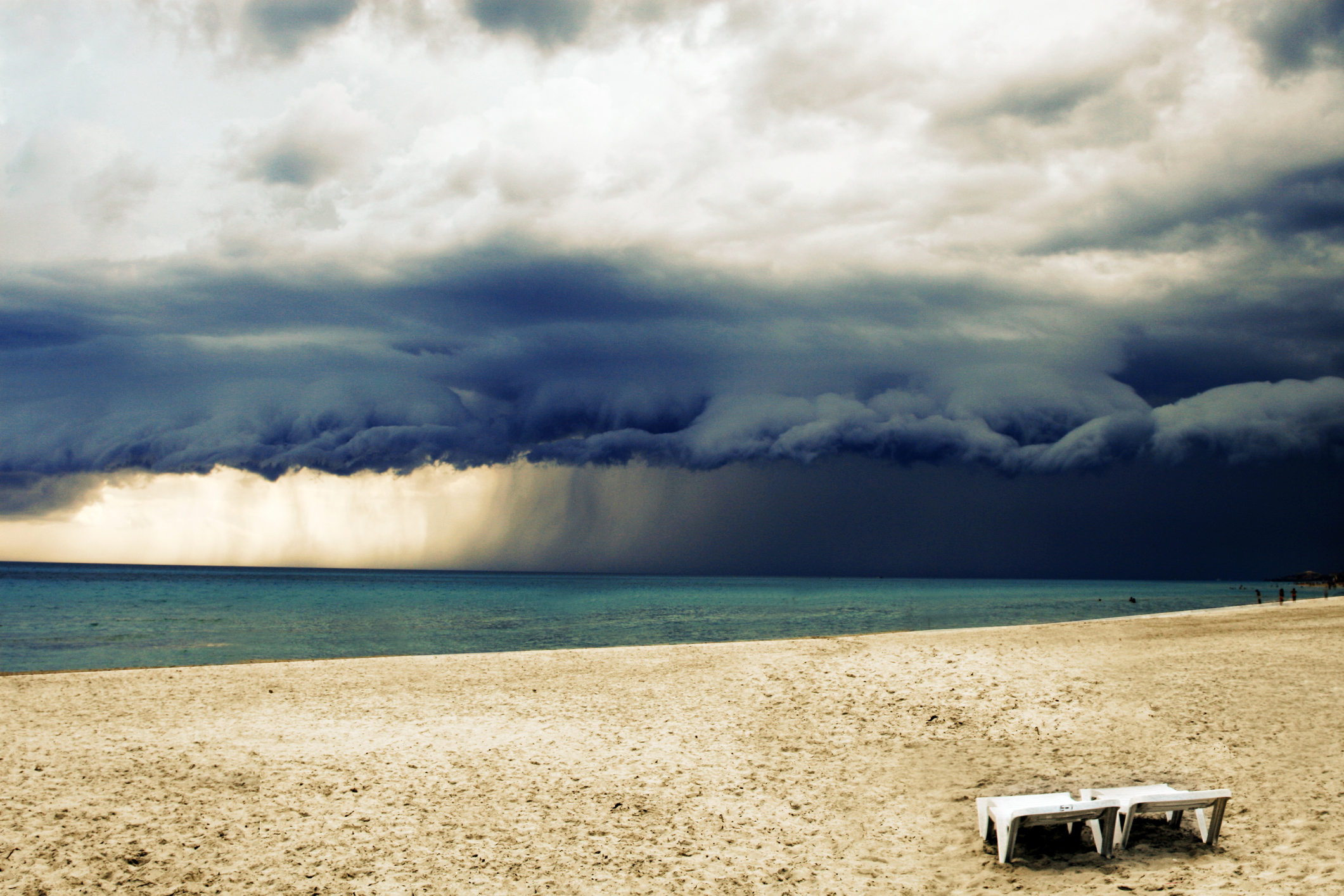
The storm, which prompted a statewide emergency declaration, is expected to bring heavy rain, coastal flooding, and damaging winds throughout the weekend.
Claiming sea levels are already 18 inches higher than a century ago and projected to double again by 2050, advocates say the state must act now to strengthen its coastal resilience.
Two of New Jersey’s leading environmental organizations, New Jersey LCV and ANJEC, issued an urgent appeal Friday for the Murphy administration to finalize the regulations.
What is NJ PACT
NJPact is a series of environmental regulatory reforms in New Jersey designed to address climate change by reducing emissions and adapting to climate threats like sea-level rise and extreme weather. While the program itself does not have a single cost, its regulations and initiatives involve expenses for the state, businesses, and—in some cases—homeowners.
What NJPact does
The initiative, spearheaded by the New Jersey Department of Environmental Protection (NJDEP), focuses on two main areas:
- Cutting emissions: Implementing stricter standards for greenhouse gas emissions from industry, transportation, and other sources.
- Climate adaptation: Modernizing land use and planning policies through the Resilient Environments and Landscapes (REAL) rules to account for future climate risks, such as chronic flooding and sea-level rise.
Cost breakdown
The costs associated with NJPact are not a single, direct fee but are distributed among different groups, with specific funding initiatives designed to help mitigate some of these expenses.
Cost for the state
- Funding resilience grants: The state provides grants to municipalities for climate resilience planning and implementing projects. In 2025, for example, the state made an additional $10 million available for its Resilient NJ program to help towns prepare for climate impacts.
- Utilizing federal and state funds: The state uses various funding sources, including federal grants from agencies like NOAA and HUD, proceeds from the Regional Greenhouse Gas Initiative (RGGI), and state business taxes, to finance its climate initiatives.
Potential cost for businesses
- Increased compliance costs: For businesses in development, transportation, and manufacturing, NJPact requires adaptation to more stringent environmental standards. This may lead to higher short-term compliance costs.
- Risk of climate damage: The state argues that these preventive investments will ultimately save money by reducing recovery costs from climate-related disasters.
Potential cost for homeowners
- New construction and “substantial improvements”: For homeowners, the REAL rules primarily apply to new construction or “substantial improvements” to existing homes (defined as improvements costing 50% or more of the home’s value).
- This may require elevating a structure or adding floodproofing, which would add to the overall construction costs.
- Retrofitting and modifications: Existing homeowners making minor improvements are generally not required to elevate or floodproof their homes.
- For those required to make adjustments, however, financial and technical assistance may be available through NJDEP programs.
- Future flood risk disclosure: Though not a direct cost, the rules require informing homeowners in new flood zones about associated risks.
Advocates warn of escalating climate risks
Ed Potosnak, executive director of the New Jersey League of Conservation Voters, said the incoming storm underscores the state’s growing vulnerability.
“This Nor’easter is yet another urgent warning that New Jersey is a coastal state under siege from the climate crisis,” Potosnak said. “We can’t afford to wait while storms grow stronger and floods more destructive.”
He urged Murphy to enact the NJPACT Coastal Rules without further delay, warning that “every delay puts lives and livelihoods at risk.”
Jennifer Coffey, executive director of the Association of New Jersey Environmental Commissions, echoed that urgency, describing extreme weather as “our new normal.”
Rules designed to prepare coastal towns for rising seas
The NJPACT Coastal Rules—part of the state’s Resilient Environments and Landscapes (REAL) initiative—would require new coastal development to meet higher flood elevation standards, improve stormwater management, and incorporate nature-based protections such as wetlands restoration and rain gardens.
The rules are designed to update decades-old building codes and land-use planning to reflect modern climate data and projected sea-level rise.
Supporters say the framework would reduce future flood damage, enhance public safety, and help local governments plan for more frequent and intense storms.
Murphy administration faces growing pressure to act
Environmental groups have criticized the delay in adopting the NJPACT rules, which were first proposed to align state regulations with the latest climate projections.
With the state now bracing for another major storm, advocates say the timing highlights the urgent need for policy change.
“The next major storm isn’t a question of if—it’s when,” Coffey said. “Governor Murphy must immediately move forward with the NJPACT Coastal Rules before it’s too late.”
As the Nor’easter approaches, coastal towns are preparing for flooding while environmental leaders hope the storm’s impact will finally spur long-awaited action.