Spring has officially arrived in New Jersey, and for gardeners in Zone 7, April is the perfect time to shake off the winter chill and prepare your garden for a vibrant growing season. With average last frost dates typically falling between mid-April and early May in this region, the first half of April is all about prepping the soil, starting cool-season crops, and planning for the warmer days ahead. Here’s a guide to getting your garden ready and what you can plant right now in Zone 7.
Step 1: Clean Up and Prep Your Garden Beds
Before you dive into planting, take some time to tidy up your garden. Winter may have left behind debris like fallen leaves, twigs, or dead plant material. Clear these away to prevent pests and diseases from taking hold. If you didn’t mulch heavily in the fall, now’s a good time to remove any weeds that have popped up.
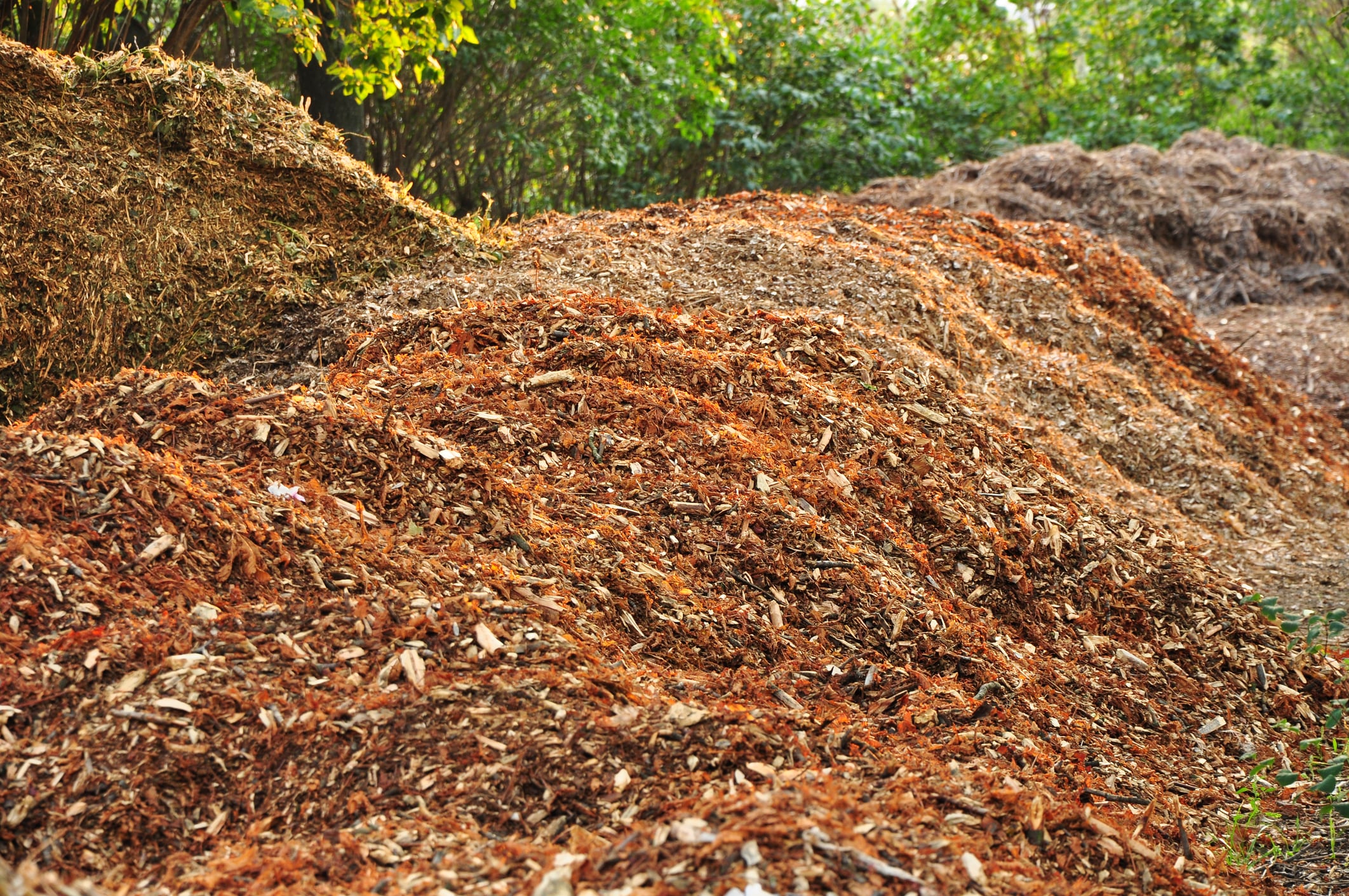
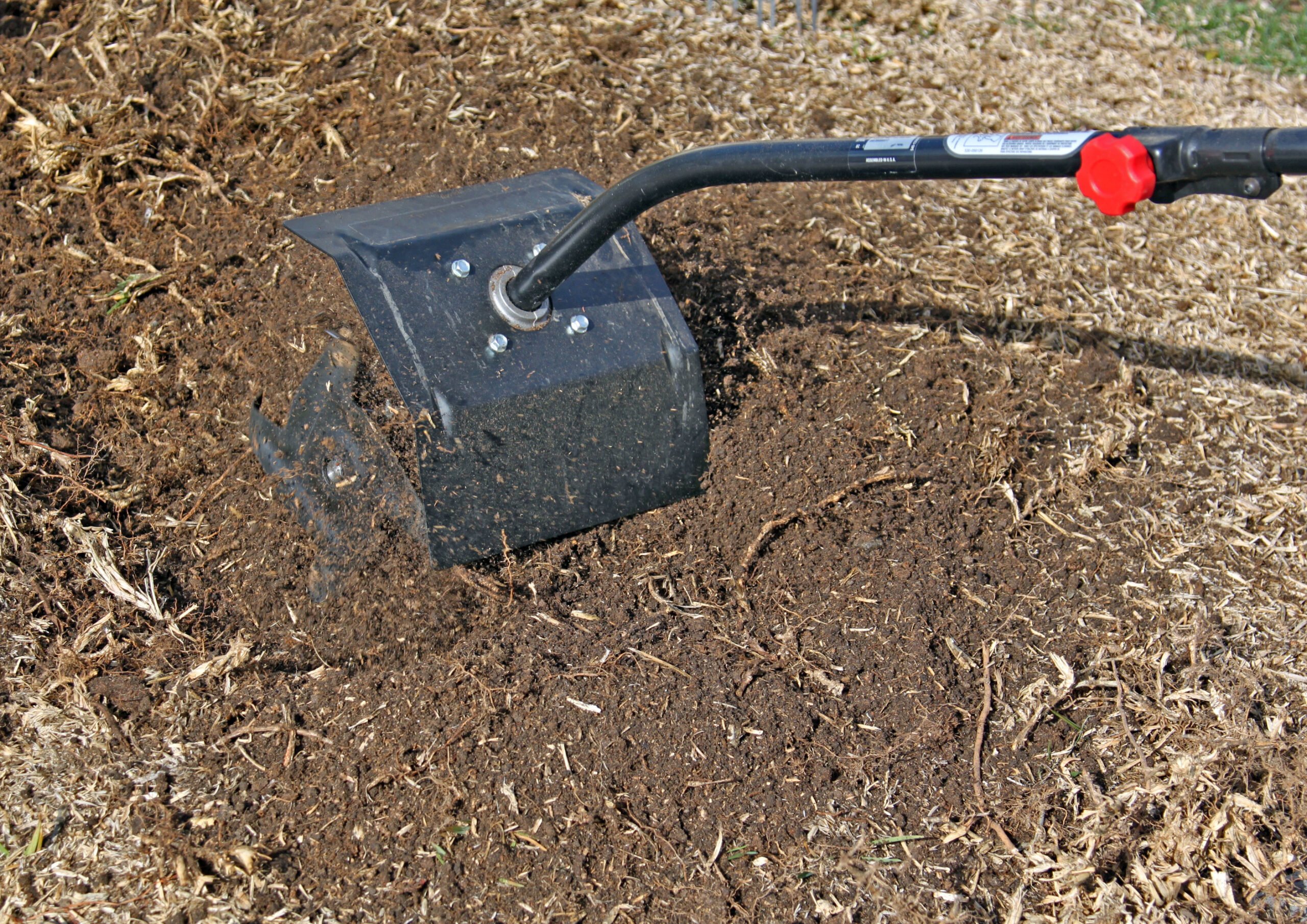
Next, turn your attention to the soil. After months of cold, your garden beds might be compacted. Use a garden fork or tiller to loosen the soil, improving aeration and drainage. Incorporate organic matter like compost or aged manure to replenish nutrients—your plants will thank you later. Aim for a soil texture that’s crumbly and rich, perfect for young roots to thrive.
Step 2: Test and Amend Your Soil
April is an ideal time to test your soil’s pH and nutrient levels. You can pick up a simple testing kit from a local garden center or send a sample to your county extension service. In New Jersey, soil can vary widely, but Zone 7 gardens often lean slightly acidic. Most vegetables and flowers prefer a pH between 6.0 and 7.0, so if your soil needs adjusting, add lime to raise the pH or sulfur to lower it. Follow the test results to add any necessary fertilizers, but go easy—over-fertilizing can burn tender spring plants.
Step 3: Start Planting Cool-Season Crops
In Zone 7, the first half of April is prime time for planting cold-tolerant crops that can handle the occasional chilly night. Soil temperatures are warming up (ideally above 40°F for these plants), and daylight hours are lengthening. Here’s what you can plant now:
- Leafy Greens: Lettuce, spinach, kale, and arugula are perfect for early spring. Sow seeds directly into the ground or start them in trays for transplanting later. These greens love the cool weather and will bolt (go to seed) once summer heat kicks in, so get them in early.
- Peas: Sugar snap peas, snow peas, and shelling peas thrive in April’s mild temperatures. Plant seeds about 1 inch deep and provide a trellis or support for climbing varieties.
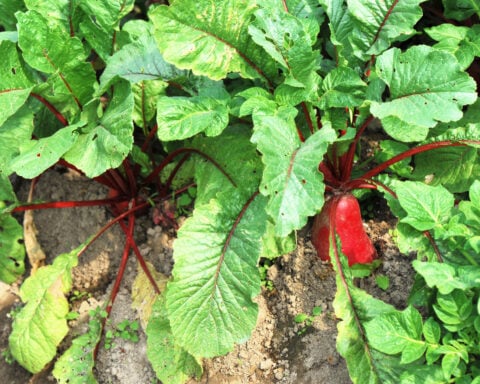
- Root Vegetables: Radishes, carrots, and beets can go into the ground now. Radishes are especially quick, often ready to harvest in just 3-4 weeks. Sow seeds sparingly to avoid overcrowding.
- Onions: Sets or transplants can be planted in early April. They’ll establish roots now and bulb up as the season progresses.
- Broccoli, Cauliflower, and Cabbage: These brassicas do well when started indoors in March and transplanted outside in early April. Protect them with row covers if a late frost threatens.
Step 4: Plan for Warm-Season Crops
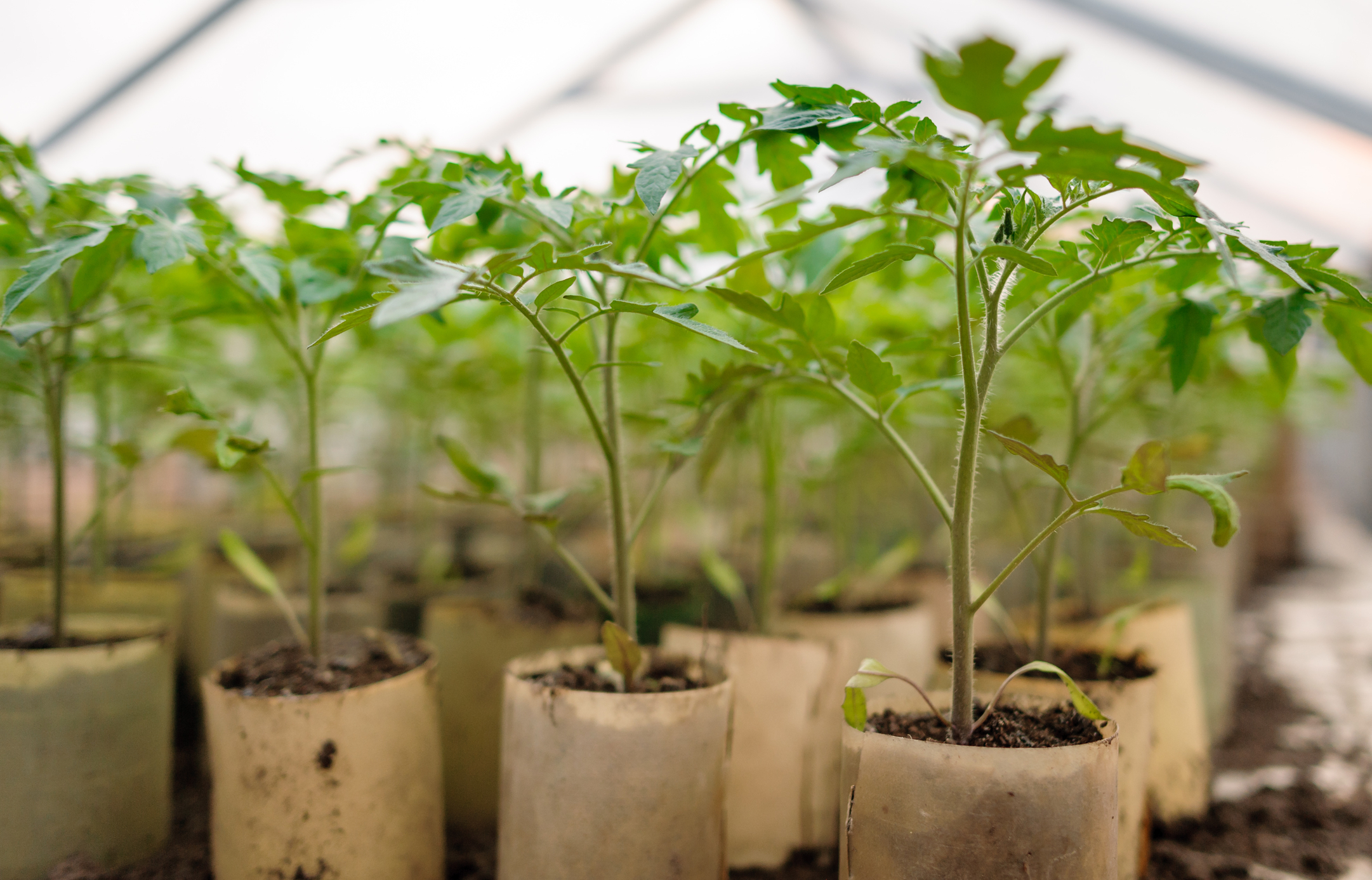
While it’s still too early to plant tomatoes, peppers, or beans outdoors (wait until after the last frost, typically late April to early May), you can get a head start by sowing seeds indoors. Use seed trays or small pots with a good seed-starting mix, and place them in a sunny window or under grow lights. By mid-to-late April, you’ll have sturdy seedlings ready to harden off and transplant once the soil warms up to 60°F or higher.
Step 5: Protect Against Late Frosts
New Jersey weather can be unpredictable in April, and a sudden cold snap isn’t out of the question. Keep an eye on the forecast and have frost blankets, cloches, or even old bedsheets handy to cover tender plants if temperatures dip below freezing. For seeds already in the ground, a light mulch layer can offer some insulation.
Step 6: Add Some Spring Color
If you’re eager to brighten up your yard, early April is a great time to plant cool-season annuals like pansies, violas, and snapdragons. These flowers can handle light frosts and will add cheer to your garden while you wait for summer blooms. You can also start dividing and transplanting perennials like hostas or daylilies as they emerge from dormancy.
April in Zone 7 is a month of transition—part cleanup, part planting, and part anticipation. By prepping your garden now and getting those cool-season crops in the ground, you’ll set the stage for a bountiful harvest. Take advantage of New Jersey’s early spring weather, and enjoy the satisfaction of watching your garden come to life. Happy gardening!