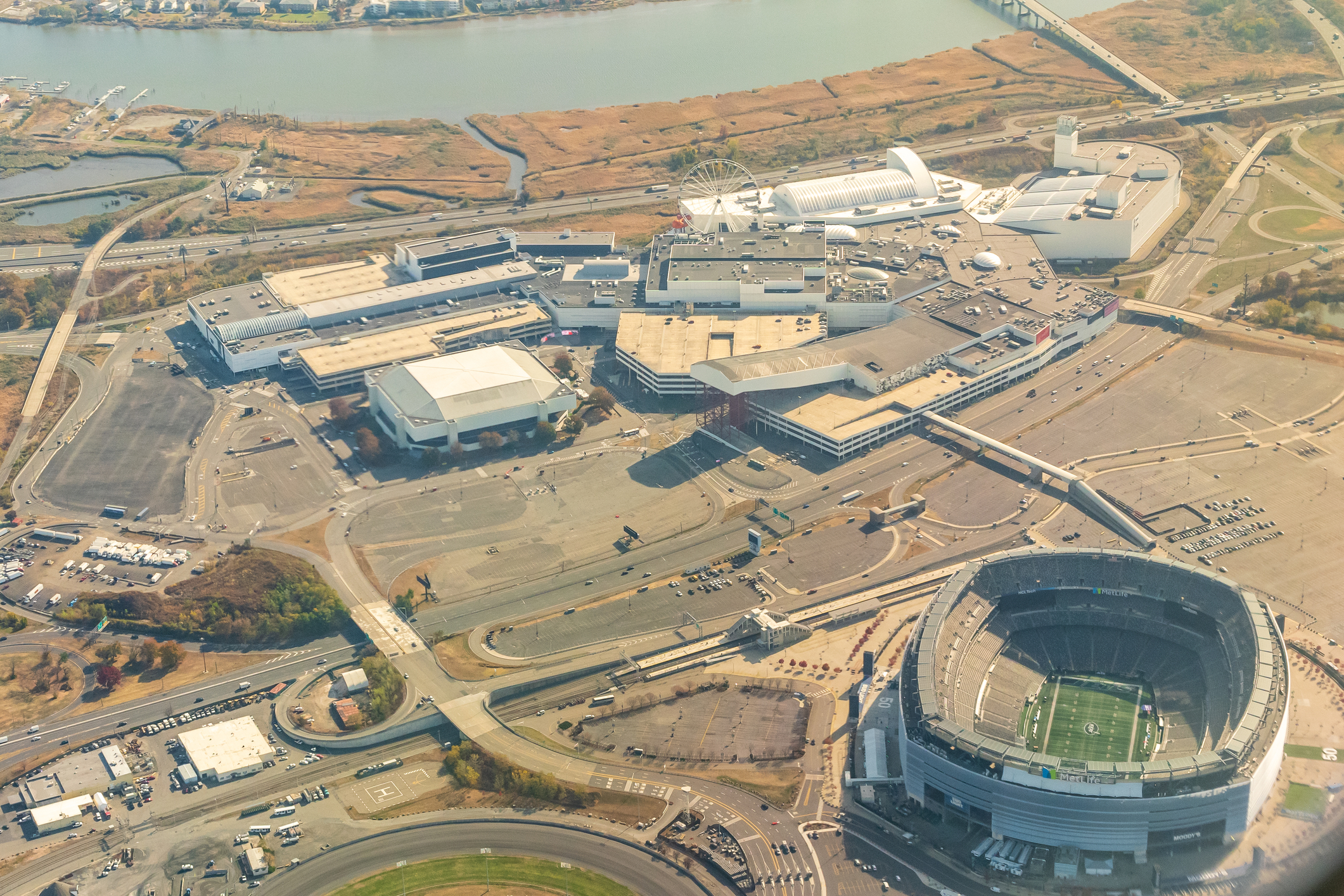
East Rutherford, New Jersey — Tens of thousands of World Cup fans heading to MetLife Stadium in 2026 will face no on-site parking and $200-plus off-site fees under a FIFA-driven plan that shifts all vehicle access away from the venue to meet security and transportation demands.
The sweeping change eliminates traditional game-day parking, replacing it with remote lots such as the American Dream mall and transit-heavy options, with NJ Transit offering special event rail service tickets priced around $150, according to NJ.com and CBS News.
Why MetLife parking is disappearing
Unlike NFL games, where MetLife’s sprawling lots handle most of the 80,000-plus attendees, FIFA will take control of the entire stadium footprint during the tournament. That control comes with strict requirements that effectively repurpose parking areas into operational zones.
Large sections of the lots will be converted into:
- secured perimeters and screening checkpoints
- international broadcast compounds
- sponsor and hospitality installations
- fan festival or “fan village” spaces
- staging areas for buses, teams, and emergency services
NJ.com reports that these logistical needs leave little to no room for general parking, forcing organizers to redirect all fans to transit or designated remote lots.
Security and traffic drive the decision
FIFA World Cup matches operate under heightened global security standards, often involving international teams, dignitaries, and large-scale coordination. That translates into expanded vehicle exclusion zones and tightly controlled access points far from the stadium.
Allowing tens of thousands of private vehicles near the venue would conflict with those protocols and create major congestion risks.
Organizers are also trying to avoid severe traffic breakdowns. Even under normal conditions, MetLife struggles with vehicle flow during NFL games. With larger, more complex World Cup crowds and additional security layers, planners are steering fans toward rail and shuttle systems instead of personal cars.
CBS News notes that the plan prioritizes mass transit, rideshare hubs, and pre-booked transportation to prevent hours-long gridlock before and after matches.
High parking costs reflect limited supply
The few available parking options—such as prepaid spaces at American Dream—are expected to cost roughly $225, a figure driven by limited availability and high demand rather than standard stadium pricing.
Those passes also tie into broader logistics, including shuttle coordination and controlled entry screening, which adds to operational costs.
Fans must reserve parking and transportation in advance, as no vehicles without proper authorization will be allowed near the stadium, according to NJ.com.
How this compares to other World Cup cities
While restricted parking is standard for FIFA tournaments, the approach at MetLife stands out for its intensity.
Many international host cities rely on dense public transit networks and stadiums built with limited car access in mind. In contrast, MetLife sits in a car-dependent area with comparatively constrained rail capacity, forcing planners to impose stricter controls on driving.
Other host cities are also using remote parking and shuttle systems, but fewer have implemented a near-total ban on general stadium parking.
Tailgating tradition put on hold
The changes also eliminate one of the defining features of American sports culture: tailgating.
With parking lots converted into secure operational zones, pre-game gatherings around vehicles will not be permitted. Only limited accessible parking, such as Lot J, will remain available near the stadium.
—
Key Points
• MetLife Stadium parking lots will close for the 2026 World Cup and be repurposed for security and operations
• Fans must use transit or off-site parking like American Dream, with costs around $150–$225
• FIFA security rules and traffic concerns are driving the shift away from personal vehicles
—
What fans should expect
The shift represents a fundamental change in how large-scale events will operate in the region, prioritizing controlled access over convenience. While the approach aligns with global tournament standards, it may feel unusually restrictive for U.S. fans accustomed to driving and tailgating.
For those attending matches, planners emphasize that trains and official shuttles will likely be the most reliable way to reach the stadium.
Current status
Transportation and parking plans for MetLife Stadium during the 2026 FIFA World Cup remain in place as outlined by organizers and partner agencies, with advance reservations required for all approved parking and transit options.