NEWARK, NJ—The Newark Department of Public Safety continues its urgent search for 17-year-old Aaliyah Bryant, reported missing since Wednesday, August 30, 2023. Aaliyah, known to have run away in the past, was last seen on Tuesday, August 29, 2023, in the 100 block of Chancellor Avenue. At the time, she was dressed in a long white T-shirt and black leggings, and was carrying a cross-body bag.
Aaliyah is described as being 5 feet 3 inches tall, weighing 300 pounds, with a light-brown complexion and blonde hair. She has a silver nose piercing.
Aaliyah is also diagnosed with Disruptive Mood Dysregulation Disorder (DMDD) and Attention Deficit Hyperactivity Disorder (ADHD). Public Safety Director Fritz G. Fragé is calling on anyone with information regarding her whereabouts to contact the Newark Police Division’s 24-hour Crime Stopper tip line at 1-877-NWK-TIPS (1-877-695-8477). All tips are confidential and could lead to a reward.
- New Jersey Braces for Another Mini Heat Wave as Heat Advisory Lasts Through Saturday
MOUNT HOLLY, N.J. – Residents across much of New Jersey are facing another stretch of dangerous summer heat after the National Weather Service issued a Heat Advisory covering large portions of the state through Saturday evening.
The advisory, issued by the National Weather Service office in Mount Holly, takes effect at 10 a.m. Thursday and remains in place until 8 p.m. Saturday. Forecasters expect afternoon heat index values to climb as high as 103 degrees while warm, humid nights provide little opportunity for relief.
The advisory includes parts of central, southern, and portions of northern New Jersey, including Mercer County, Middlesex County, Somerset County, Monmouth County, Gloucester County, Camden County, Burlington County, and Ocean County.
Hot afternoons and muggy nights ahead
Thursday will be mostly sunny after early morning fog dissipates, with temperatures reaching around 92 degrees. Combined with high humidity, it will feel closer to 102 degrees during the afternoon.
Conditions remain uncomfortable Thursday night as temperatures only fall into the mid-70s. Patchy fog is expected to redevelop overnight, with a slight chance of late-night showers or thunderstorms.
Friday brings another hot day with highs near 91 degrees and heat index values approaching the advisory threshold again. A chance of afternoon and evening thunderstorms could provide localized relief, although some storms may produce heavy downpours.
Saturday is expected to be similar, with mostly sunny skies, highs around 91 degrees, and another opportunity for scattered afternoon thunderstorms before the advisory expires Saturday evening.
By Sunday, forecasters expect sunshine to return with highs still near 91 degrees, though humidity levels may begin to ease slightly in some areas.
Why the heat is dangerous
While daytime temperatures in the lower 90s are common during August, the combination of high humidity and warm overnight temperatures increases the risk of heat-related illnesses because the body has less opportunity to cool down.
The National Weather Service warned that “hot temperatures and high humidity may cause heat illnesses,” adding that the lack of overnight cooling could make prolonged exposure especially hazardous for vulnerable populations.
Officials recommend drinking plenty of water, remaining in air-conditioned buildings whenever possible, avoiding strenuous outdoor activities during the hottest part of the day, and checking on elderly relatives, neighbors, and anyone without reliable cooling.
Workers spending extended periods outdoors should take frequent breaks in shaded or air-conditioned areas. The Occupational Safety and Health Administration also recommends adjusting work schedules when possible to reduce heat exposure.
Local Impact
The prolonged heat will be felt across many of New Jersey’s most populated communities, including Trenton, New Brunswick, Freehold, Mount Holly, Cherry Hill, Camden, and Jackson. The combination of high temperatures and humidity could increase electricity demand as residents rely heavily on air conditioning.
Outdoor workers, youth sports participants, landscapers, construction crews, delivery drivers, and anyone attending festivals or recreation activities should plan for frequent hydration and rest breaks. Drivers should also remember never to leave children or pets inside parked vehicles, where temperatures can become deadly within minutes.
What Happens Next
The Heat Advisory remains in effect until 8 p.m. Saturday. Forecasters will continue monitoring temperatures and humidity, and additional heat alerts could be issued if conditions worsen or persist into next week.
Scattered afternoon and evening thunderstorms are possible Friday and Saturday, but they are not expected to provide widespread or lasting relief from the heat.
Sources
Reporting for this article is based on:
- National Weather Service Mount Holly
- National Weather Service Heat Advisory
- National Weather Service forecast discussion
- National Weather Service forecast for central New Jersey
FAQ
- When does the Heat Advisory begin?
It begins at 10 a.m. Thursday and remains in effect until 8 p.m. Saturday. - How hot will it feel?
Heat index values may reach as high as 103 degrees. - Which parts of New Jersey are included?
Much of central and southern New Jersey, including Mercer, Middlesex, Somerset, Monmouth, Gloucester, Camden, Burlington, and Ocean counties. - Will thunderstorms cool things down?
Scattered thunderstorms are possible Friday and Saturday, but they are expected to provide only temporary, localized relief. - How can residents stay safe?
Drink plenty of fluids, stay in air-conditioned spaces when possible, limit strenuous outdoor activity during the afternoon, wear lightweight clothing, and check on vulnerable family members and neighbors.
Key Points
- A Heat Advisory is in effect for much of New Jersey from Thursday morning through Saturday evening.
- Heat index values could reach 103 degrees, with warm, humid nights offering little relief.
- Residents are urged to stay hydrated, avoid prolonged outdoor activity during peak heat, and monitor vulnerable family members, neighbors, and pets.
- New Jersey Thursday Morning Traffic: Crashes Slow I-295, Routes 1&9, Turnpike Commute
TRENTON, N.J. – Drivers across New Jersey are encountering a busy Thursday morning commute as crashes, construction, and heavy traffic volume create delays on several of the state’s busiest highways.
The most significant incidents include injury crashes in Burlington and Middlesex counties, along with congestion approaching the George Washington Bridge and on portions of the New Jersey Turnpike during the peak morning rush.
Injury crashes reported in Burlington and Middlesex counties
As of 8:08 a.m., emergency crews were responding to a crash with injuries on Interstate 295 northbound at Exit 36 for NJ 73 in Mount Laurel Township. The left shoulder was closed while responders worked at the scene.
Another crash with injuries was reported at approximately the same time on U.S. Routes 1&9 northbound north of NJ 35 in Woodbridge Township. Two of the highway’s three right lanes were closed, causing delays through the area.
Further north on the New Jersey Turnpike, a crash investigation and separate property damage crash continued to affect the outer roadway northbound north of Interchange 7A (I-195) in Robbinsville. One right lane remained blocked as of the latest report.
Road work and heavy volume slow commuters
Maintenance crews were performing pothole repairs on the Turnpike’s outer roadway northbound south of Interchange 10 near NJ 440/I-287 in Edison Township. Although all travel lanes remained open, motorists were urged to use caution while passing the work zone.
Heavy traffic volume also created significant delays approaching the George Washington Bridge. Northbound local lanes on the Turnpike/I-95 experienced about a 1½-mile backup from Exit 71 in Leonia to north of Exit 72A in Fort Lee, while the express lanes carried approximately a two-mile delay along the same stretch.
Additional congestion was reported on the Hudson County Extension eastbound between Newark and Bayonne, where traffic backed up for about two miles approaching the Newark Bay Bridge.
Delays reported on several other highways
Drivers also encountered slower traffic on several additional commuter routes Thursday morning:
- NJ 124 westbound between Millburn and Florham Park due to heavy traffic.
- Interstate 78 local lanes westbound between Union Township and Springfield Township.
- NJ Route 3 westbound through Clifton from the Garden State Parkway to Grove Street.
Officials reported all lanes remained open on those roadways despite slower travel times caused by morning commuter volume.
Truck restrictions remain in effect
Commercial drivers should also be aware of ongoing restrictions affecting freight traffic.
Truck restrictions remain in place on Port Street in Newark as a long-term construction project reduces the roadway to one lane in each direction with an 11-foot width restriction. Oversized vehicles are being directed to alternate routes, and escorts remain available through the Port Authority Police Department for qualifying loads.
Additional permanent restrictions remain in effect for oversized trucks using the George Washington Bridge. Trucks wider than 10 feet or longer than 110 feet remain prohibited from certain bridge approaches, and commercial vehicles are advised to follow posted routing instructions near Exit 73.
- Trump Administration’s CDL Crackdown Could Have Major Impact on New Jersey’s Trucking Industry
TRENTON, N.J. – The Trump administration’s latest crackdown on alleged fraud at commercial driver’s license (CDL) training schools could have significant implications for New Jersey, where thousands of truck drivers travel the state’s highways every day and the trucking industry serves as a critical link in the Northeast supply chain.
The U.S. Department of Transportation announced Thursday that it is partnering with the Department of Homeland Security to investigate approximately 75 CDL training schools nationwide suspected of fraudulent practices. According to the Federal Motor Carrier Safety Administration (FMCSA), investigators are examining allegations that some schools falsified training records, improperly certified drivers, or failed to provide the federally required instruction for new commercial drivers.
Transportation Secretary Sean P. Duffy said the effort is part of a broader campaign to strengthen oversight of the trucking industry.
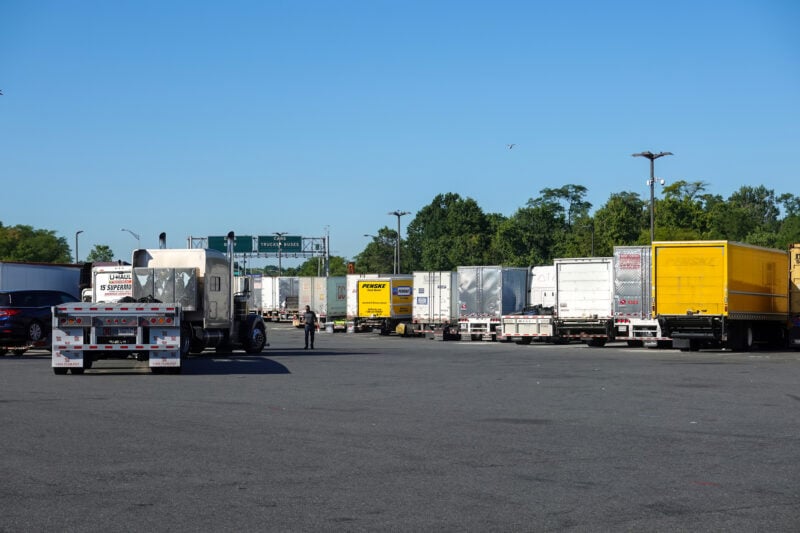
Cherry hill truck stop – new jersey turnpike. Photo by alan budman “USDOT has spent the last year rooting out bad actors from our trucking industry,” Duffy said. “We’ve knocked over 24,000 drivers off our roads for failing to speak English, forced states to cancel over 28,000 licenses illegally issued to foreign drivers, and purged over 9,500 unqualified training schools from our FMCSA registry.”
New Jersey sits at the center of East Coast freight
The impact of the federal initiative could be especially significant in New Jersey, home to one of the nation’s busiest freight transportation networks. The New Jersey Turnpike, Interstate 80, Interstate 78, Interstate 295, and the Garden State Parkway connect the state’s ports, warehouses, distribution centers, and neighboring metropolitan areas.
According to the New Jersey Department of Transportation and freight studies, more than 10 million trucks travel New Jersey highways each year, with the New Jersey Turnpike serving as one of the busiest commercial trucking corridors in the United States. On some sections of the Turnpike, trucks account for roughly one-third of all traffic, reflecting the highway’s importance to freight moving between New England, the Mid-Atlantic, and the South.
New Jersey is also home to the Port Newark-Elizabeth Marine Terminal, one of the East Coast’s largest cargo gateways, where thousands of containers enter the regional supply chain daily before being transported by truck to destinations throughout the Northeast.
Broader enforcement reaches licensing and training
The investigation into CDL schools is part of a broader Trump administration effort to tighten commercial driver licensing standards.
A final FMCSA rule that took effect in March restricts or ends certain non-domiciled CDL renewals for individuals without permanent legal status. Administration officials have said the changes affect approximately 200,000 immigrant workers, including some asylum seekers, refugees, and Deferred Action for Childhood Arrivals (DACA) recipients who had previously been eligible under federal regulations.
Federal officials also say they have canceled more than 28,000 commercial driver’s licenses they determined were unlawfully issued to undocumented immigrants and removed more than 24,000 commercial drivers from service for failing federal English-language proficiency requirements. The administration has also announced federal audits that prompted states, including California, to revoke improperly issued non-domiciled CDLs.
Training providers face increased scrutiny
USDOT says nearly 10,000 training providers have been removed from the FMCSA Training Provider Registry after failing to meet federal standards, while more than 550 additional schools identified as alleged sham training providers have received notices of proposed removal.
The administration has also launched the Freedom Haulers Initiative, which allows eligible U.S. military veterans with qualifying heavy vehicle experience to bypass certain redundant CDL road testing requirements as part of an effort to recruit more American truck drivers.
Homeland Security Secretary Markwayne Mullin said the partnership between DHS and USDOT is intended to strengthen the integrity of the commercial licensing system while investigating suspected fraud involving CDL schools.
Why It Matters
New Jersey residents depend on commercial trucks every day for grocery deliveries, medical supplies, fuel, consumer goods, and cargo arriving through the Port of New York and New Jersey. Changes to CDL training standards and licensing enforcement can directly affect the trucking workforce that keeps those supply chains moving.
Federal officials argue the investigations will improve highway safety by ensuring commercial drivers receive proper training before operating large trucks on heavily traveled roads such as the New Jersey Turnpike.
Local Impact
For New Jersey trucking companies, warehouses, logistics firms, and drivers, the federal crackdown could mean increased scrutiny of CDL training credentials and hiring practices. Prospective drivers should ensure any school they attend remains listed on the FMCSA’s approved Training Provider Registry.
Motorists may not notice immediate changes, but commercial vehicles sharing the road on the New Jersey Turnpike and other major highways are expected to face continued federal oversight as investigations proceed.
What Happens Next
FMCSA and Homeland Security Investigations will continue investigating approximately 75 CDL schools suspected of fraudulent activity. Schools found to have violated federal regulations could face removal from the national registry and other enforcement actions, while federal officials say additional audits of licensing and training programs are expected.
Sources
- U.S. Department of Transportation press release
- Federal Motor Carrier Safety Administration
- Department of Homeland Security
- New Jersey Department of Transportation freight data
- Statements from Transportation Secretary Sean P. Duffy
- Statements from Homeland Security Secretary Markwayne Mullin
FAQ
- How many CDL schools are under investigation?
Approximately 75 schools nationwide, according to USDOT. - Why is New Jersey important to this story?
New Jersey is a major freight hub, and more than 10 million trucks travel its highways annually, including heavy traffic on the New Jersey Turnpike. - What violations are investigators looking into?
Alleged falsified training records, improper driver certifications, and failure to provide required CDL instruction. - Will New Jersey drivers be affected?
Drivers seeking CDLs and trucking companies could see increased oversight of training credentials and licensing compliance.
Key Points
- Federal officials are investigating approximately 75 CDL schools as part of a nationwide fraud crackdown.
- New Jersey’s role as a major freight hub, with more than 10 million truck trips annually and one of the nation’s busiest truck corridors on the New Jersey Turnpike, makes the initiative especially relevant to the state.
- The Trump administration says the effort is part of broader reforms that include stricter CDL licensing standards, enforcement actions, and expanded oversight of driver training.
- August Means One Thing in New Jersey: It’s Finally Jersey Tomato Season
Toms River, NJ – Ask almost any lifelong New Jersey resident when summer truly arrives, and many won’t mention Memorial Day or the Fourth of July. They’ll tell you it starts when the first ripe Jersey tomatoes appear at roadside farm stands.
This year, that moment arrived a little later than usual.
A colder-than-normal winter, persistent spring chill and a damaging late frost that hurt fruit trees and reduced blueberry harvests also delayed planting for many commercial growers and backyard gardeners across the state. As a result, while Jersey tomatoes typically begin appearing in late July, many farms are seeing their best harvests begin in early August.
Now, with warm summer days and plenty of sunshine, tomato season is finally in full swing.
Why Jersey tomatoes are famous
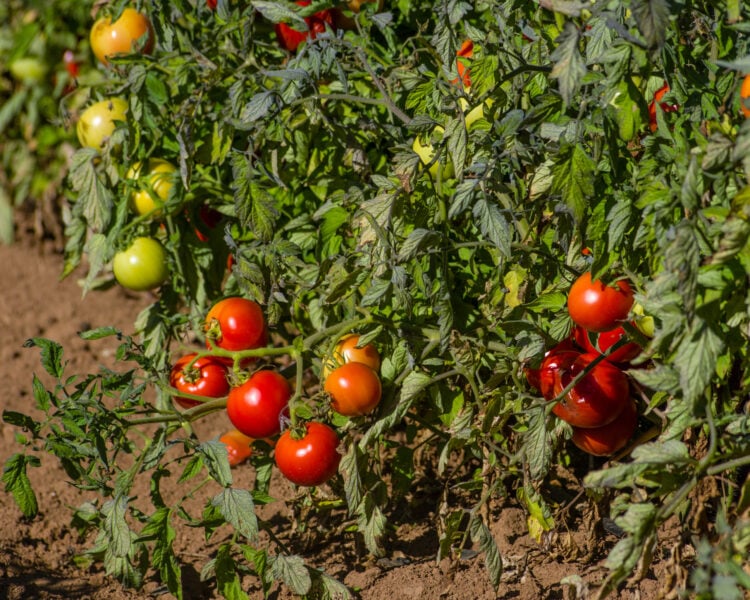
Photo: newark teenager missing since last august, police continue search Few foods have become as closely associated with New Jersey as the Jersey tomato.
Despite the state’s reputation for highways and suburbs, New Jersey remains one of the nation’s leading producers of fresh-market tomatoes. For generations, family farms have supplied restaurants, grocery stores and roadside stands with tomatoes picked at peak ripeness rather than harvested early for long-distance shipping.
That difference matters.
Unlike tomatoes shipped across the country, many Jersey tomatoes remain on the vine until they’re nearly ready to eat, allowing them to fully develop their natural sugars, acidity and rich flavor.
The result is a tomato that’s juicy, sweet and balanced enough that many people happily eat thick slices with nothing more than a sprinkle of salt.
What makes New Jersey tomatoes taste so good?
The answer isn’t just the soil.
Agricultural experts say New Jersey’s combination of sandy loam soils, moderate rainfall, humid summers and warm daytime temperatures create ideal growing conditions for tomatoes.
The state’s well-drained soils help prevent roots from sitting in excess water while allowing plants to access nutrients efficiently.
Equally important is the climate.
Warm days encourage rapid growth, while relatively cooler nights help tomatoes retain acidity that balances their sweetness.
Many New Jersey farmers also grow tomato varieties selected specifically for flavor rather than long-distance shipping durability.
The combination of fertile soils, favorable weather and generations of farming experience has helped make the “Jersey Tomato” one of the state’s most recognizable agricultural brands.
Are tomatoes from other states just as good?
Every major tomato-growing region has its own strengths.
California grows enormous quantities of tomatoes, much of which are processed into sauces, ketchup and canned products.
Florida supplies fresh tomatoes throughout much of the winter, while states like Pennsylvania, Maryland and Virginia also produce excellent locally grown tomatoes during the summer.
The difference often comes down to freshness.
A locally grown tomato picked ripe and eaten within a day or two will almost always taste better than one harvested early to withstand several days of transportation.
That’s one reason New Jersey residents eagerly await local harvests each August instead of relying solely on supermarket tomatoes shipped from hundreds or even thousands of miles away.
A delayed season in 2026
This year’s harvest has required extra patience.
Many growers delayed planting after unusually cold spring weather and a damaging late frost raised concerns about losing young plants.
The same frost that reduced yields for peaches, blueberries and other fruit crops also slowed the start of tomato season.
Fortunately, tomatoes thrive in hot weather, and August’s higher temperatures are expected to help many farms reach peak production over the coming weeks.
For shoppers, that means roadside farm markets should offer their widest selection during August and into early September.
Five classic ways to enjoy a Jersey tomato
While there are countless recipes, many New Jersey families agree the simplest preparations are often the best.
1. The classic Jersey tomato sandwich (or BLT)

Photo: newark teenager missing since last august, police continue search Perhaps no meal captures summer better than thick slices of ripe Jersey tomato layered between two slices of soft white bread with mayonnaise, salt and black pepper.
Some people toast the bread, while others insist fresh white bread is the only acceptable choice.
Either way, the tomato remains the star.
2. Fresh Jersey tomato salad
Combine chopped tomatoes with sliced onions, fresh garlic, basil, olive oil, red wine vinegar, salt and cracked black pepper.
After resting for about 30 minutes, the tomatoes release their juices to create a simple dressing that’s perfect with crusty bread.
3. Homemade tomato sauce — or “gravy”
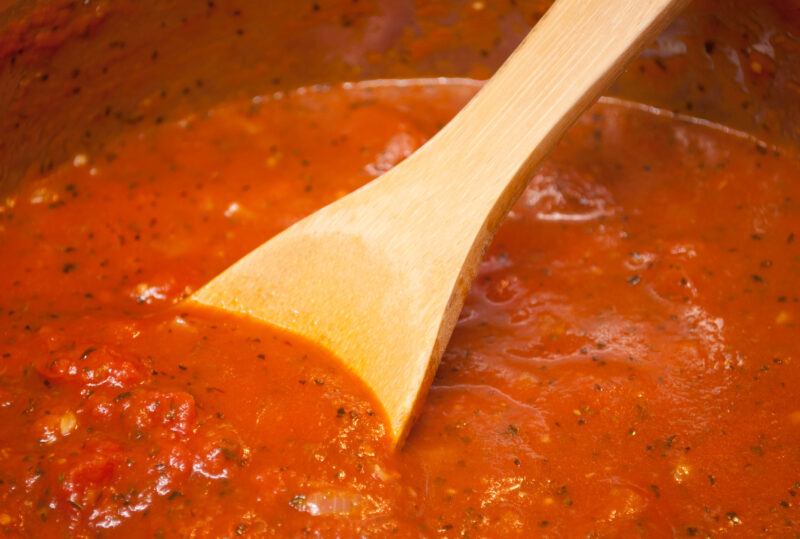
Photo: newark teenager missing since last august, police continue search For many Italian-American families in New Jersey, late summer means turning fresh tomatoes into homemade sauce. While many call it tomato sauce, some friends of ours call it gravy.
Whether you call it tomato sauce or “gravy,” fresh Jersey tomatoes create a naturally sweet base for pasta, meatballs and Sunday dinners.
Many home cooks freeze or can batches to enjoy throughout the winter.
4. Fresh homemade salsa
Dice ripe tomatoes with onions, cilantro, hot peppers, garlic and a splash of vinegar or lime juice for a fresh salsa that’s perfect with tortilla chips or grilled meats.
The freshness of locally grown tomatoes gives homemade salsa a brighter flavor than most store-bought varieties.
5. Caprese salad

Photo: newark teenager missing since last august, police continue search Arrange slices of fresh mozzarella with thick tomato slices and basil leaves before finishing with olive oil and a drizzle of reduced balsamic vinegar.
The simple dish has become a summer staple at backyard gatherings across New Jersey.
Local Impact
Tomato season remains one of the busiest times of the year for New Jersey’s farm markets, many of which rely on August sales of tomatoes, sweet corn, peaches and other seasonal produce. Buying locally grown tomatoes also supports family farms while giving shoppers access to fruit harvested at peak ripeness rather than picked early for shipping.
Sources
- Rutgers New Jersey Agricultural Experiment Station
- New Jersey Department of Agriculture
- USDA Agricultural Marketing Service
FAQ
- When do Jersey tomatoes become available? Most begin appearing in late July, but peak season typically runs throughout August and into September.
- Why is the 2026 season later than usual? A cold winter, cool spring and damaging late frost delayed planting for many growers.
- Why do Jersey tomatoes taste better? Their flavor comes from a combination of New Jersey’s soils, climate, locally selected varieties and being picked closer to peak ripeness.
- Can tomatoes from other states be good? Yes. Many states grow excellent tomatoes, but locally harvested tomatoes are usually fresher because they don’t have to travel long distances.
- What’s the easiest way to enjoy a Jersey tomato? Many New Jersey residents swear by a simple tomato sandwich with mayonnaise, salt and pepper on white bread.
Key Points
- Jersey tomato season is now reaching its peak after a delayed start caused by cold spring weather.
- New Jersey’s soils, climate and farming traditions have helped make its tomatoes nationally recognized for their flavor.
- From tomato sandwiches to homemade sauce and Caprese salad, August is the perfect time to enjoy locally grown tomatoes.
- What to Plant in August in New Jersey: These Vegetables Thrive for a Fall Harvest
Toms River, NJ – While many gardeners think the growing season begins to wind down in August, horticulture experts say it’s actually the ideal time for New Jersey residents to plant a second round of vegetables for a productive fall harvest.
Across most of the Garden State, which falls within USDA Hardiness Zone 7, August offers warm soil temperatures that encourage rapid seed germination while cooler autumn weather helps many vegetables mature with improved flavor.
Unlike summer gardens dominated by tomatoes, peppers and cucumbers, late-season gardens focus on leafy greens, root vegetables and cool-weather crops that often become sweeter after the first frost.
Leafy greens lead the fall garden
Some of the easiest vegetables to grow in August are leafy greens, many of which mature in just four to eight weeks.
Gardeners can successfully sow seeds for lettuce, kale, spinach, Swiss chard, arugula, mustard greens, bok choy, mizuna and tatsoi.
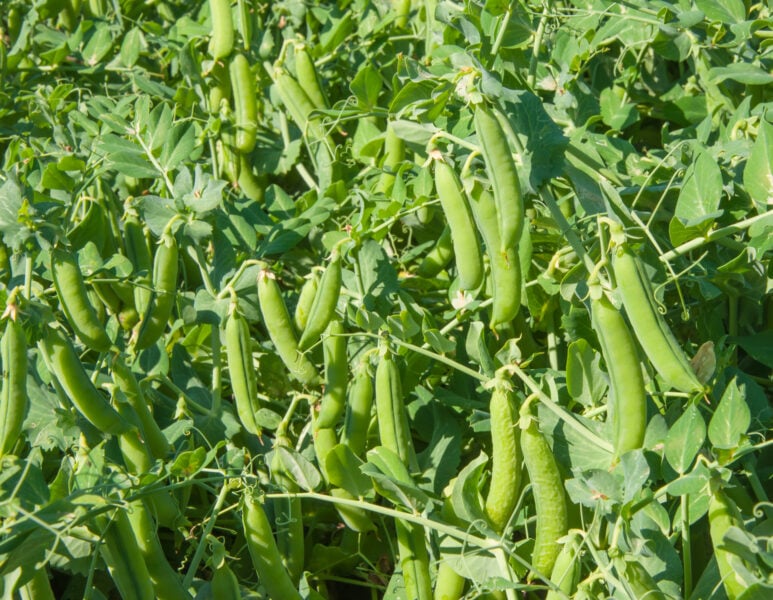
Photo: newark teenager missing since last august, police continue search Many of these vegetables can be harvested as baby greens in less than a month, while mature leaves continue producing well into autumn.
Kale, spinach and Swiss chard are particularly well suited to New Jersey’s climate because they tolerate frost and often continue producing after temperatures drop below freezing.
Root vegetables flourish in cooler weather
August is also an excellent time to plant root crops that benefit from cool nights.
Carrots, beets, turnips, radishes and daikon radishes all perform well when planted now.
Radishes are among the fastest vegetables to mature, often reaching harvest size in as little as 25 to 35 days.
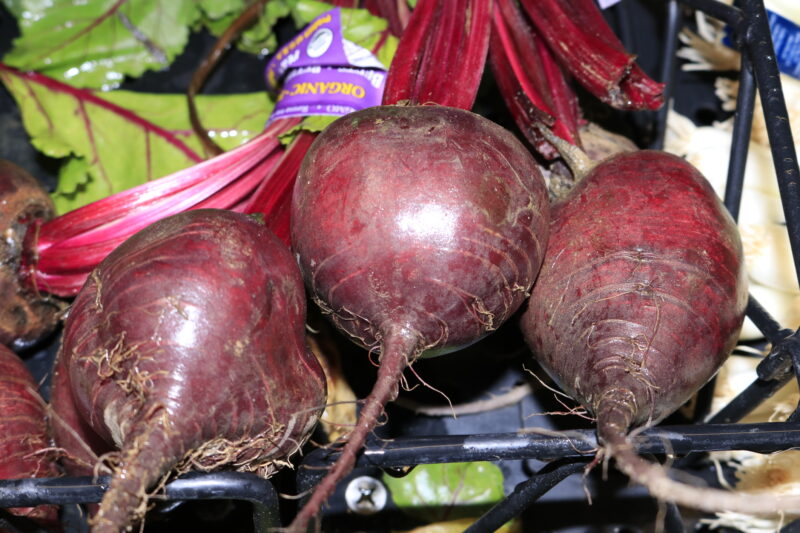
Photo: newark teenager missing since last august, police continue search Garden experts recommend planting additional rows every two weeks to maintain a continuous harvest through October.
Carrots and turnips also develop sweeter flavors after exposure to light frosts, making them favorites for late-season gardens.
Time is running short for broccoli and cabbage
Gardeners hoping to grow larger cool-weather vegetables still have time, although transplants are generally recommended over seeds.
Broccoli, cauliflower, cabbage, Brussels sprouts and kohlrabi can all produce fall harvests when planted in August.
Because these crops require a longer growing season, many local garden centers sell established transplants that are better suited for late-summer planting.
Herbs can still produce before winter
Several herbs also perform well when planted in August.
Cilantro, parsley, dill and green onions all prefer cooler weather and often outperform spring plantings because they are less likely to bolt during autumn’s shorter days.
Many gardeners continue harvesting parsley well into winter with minimal frost protection.
Crops to avoid planting now
Although August is productive for cool-season vegetables, the window has largely closed for many warm-season crops.
Most experts recommend waiting until next spring to plant tomatoes, peppers, eggplant, sweet corn, cucumbers, zucchini, pumpkins, melons and other vegetables that require extended periods of hot weather to mature.
These plants typically will not have enough time to fully develop before the first fall frost arrives in much of New Jersey.
Tips for success
August gardens require consistent watering because hot weather can quickly dry newly planted seeds.
Gardeners are encouraged to water regularly until seedlings become established and to apply mulch to help retain moisture and reduce soil temperatures.
Many also use lightweight shade cloth during periods of extreme heat to improve germination rates for lettuce and spinach.
Planting successive crops every one to two weeks allows gardeners to enjoy fresh salads and vegetables throughout the fall rather than harvesting everything at once.
With simple frost blankets or row covers, many leafy greens can continue producing into November and even December.
For home gardeners, a fall garden offers another opportunity to take advantage of New Jersey’s long growing season while producing fresh vegetables well after many summer gardens have finished.
Local Impact
New Jersey’s USDA Zone 7 climate provides one of the longest growing seasons in the Northeast, allowing gardeners to produce two harvests each year. Fall gardening has become increasingly popular as residents look to reduce grocery costs, grow fresh produce at home and extend their harvest well beyond the traditional summer season.
Sources
- Rutgers New Jersey Agricultural Experiment Station
- USDA Plant Hardiness Zone Map
- Rutgers Cooperative Extension
FAQ
- What is the easiest vegetable to plant in August? Radishes, lettuce and arugula are among the fastest and easiest crops to grow.
- Can tomatoes still be planted in August? In most of New Jersey, it’s generally too late to start tomatoes from plants or seed for a reliable harvest.
- What vegetables survive frost? Kale, spinach, carrots, Brussels sprouts, cabbage and collards all tolerate light frost, with several becoming sweeter afterward.
- How often should I water new seeds? Keep the soil consistently moist until seeds germinate, especially during August heat.
- Can I harvest vegetables into winter? Yes. Many leafy greens will continue producing into late fall and early winter with frost protection.
Key Points
- August is one of the best months to plant a fall vegetable garden in New Jersey.
- Leafy greens, root vegetables and cool-weather crops thrive in Zone 7 conditions.
- Many fall vegetables become sweeter after the first frost and can be harvested well into November.