NEW YORK — Record-breaking flash floods that swamped New York City streets, submerged vehicles, and shut down parts of the subway system Wednesday night are fueling renewed debate over the city’s nearly billion-dollar investment in bike lanes and roadway redesign projects as residents question whether core infrastructure improvements have kept pace with worsening storms.
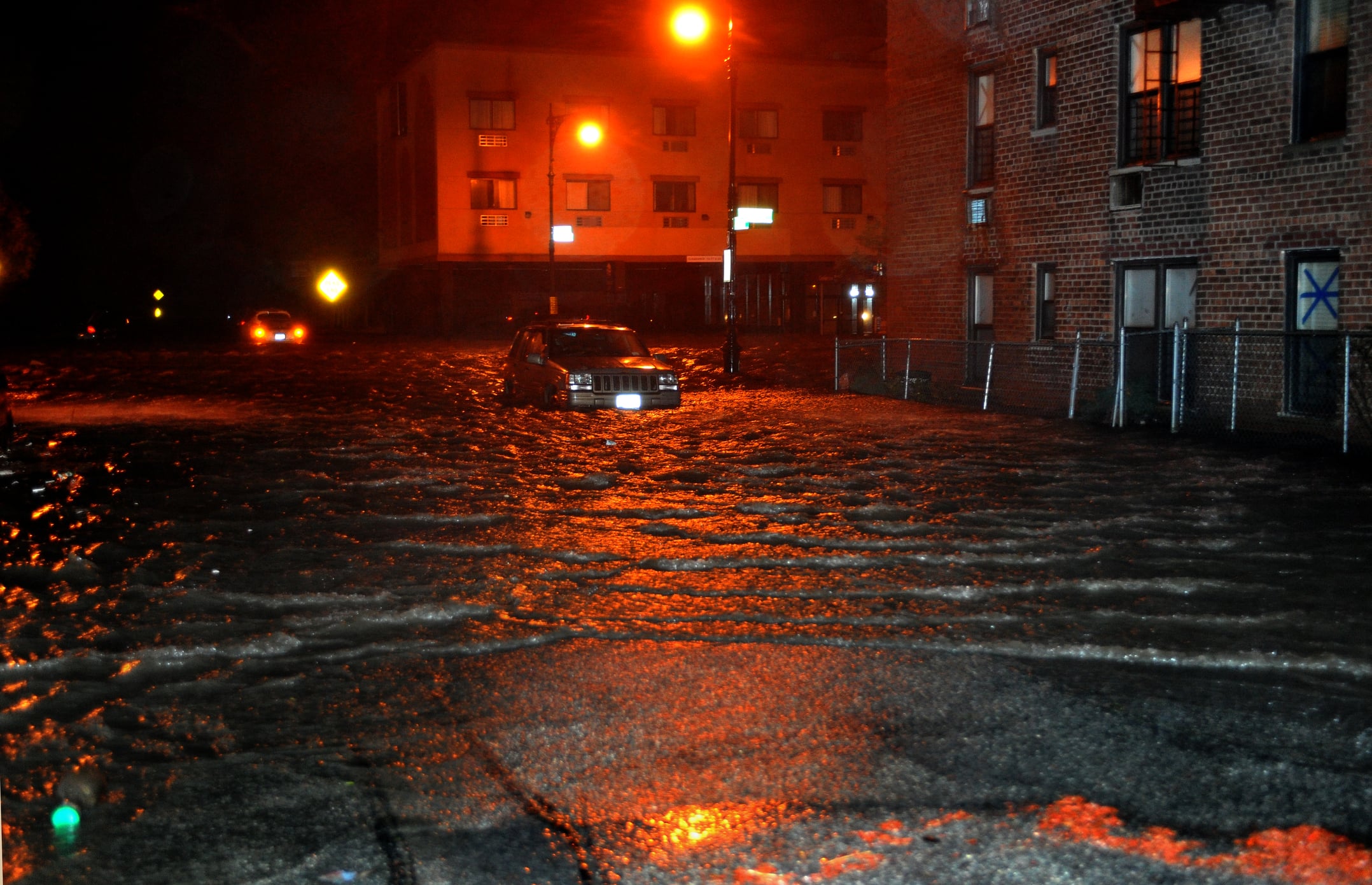
More than 2 inches of rain fell in under an hour across parts of the city Wednesday night, triggering dangerous flooding in Queens, Brooklyn, and other neighborhoods. Central Park recorded 2.07 inches of rain in a single hour — the second-highest one-hour rainfall total ever documented there.
By Thursday morning, flooded intersections, stalled vehicles, and waterlogged subway stations stretched across all five boroughs as emergency crews worked to clear drains, remove debris, and restore transit service.
The storm’s scale quickly shifted attention beyond the weather itself and toward the city’s broader infrastructure priorities.
Billions Directed Toward Street Redesign and Cycling Expansion
Over the past decade, New York City has dramatically expanded its bicycle infrastructure network under Vision Zero and the Streets Master Plan, adding more than 600 miles of bike lanes and growing the citywide network to more than 1,500 miles.
The city committed roughly $904 million toward active transportation and traffic safety initiatives tied to the Streets Master Plan, with annual cycling and micromobility funding increasing from about $11.8 million to more than $65 million per year.
Bike lane costs vary significantly depending on design. Standard painted bike lanes historically cost far less than protected lanes, which require heavier infrastructure including concrete barriers, curb redesigns, drainage adjustments, and traffic signal modifications.
Critics following Wednesday night’s flooding questioned whether roadway redesign projects adequately addressed stormwater drainage and flood resilience as extreme weather events become more frequent.
Queens and Brooklyn Hit Hardest by Flash Flooding
Some of the city’s worst flooding occurred in Queens neighborhoods including Jamaica and Bayside, where streets turned into fast-moving waterways and several vehicles became stranded or submerged.
In Brooklyn, flooding impacted areas including Bushwick, while subway riders faced severe disruptions after water poured into stations and onto platforms.
The Metropolitan Transportation Authority temporarily suspended or delayed service on multiple lines, including the E and F trains in Queens.
Downed trees and flooded roadways were also reported citywide as thunderstorms swept through the region during a dramatic weather shift that followed temperatures near 90 degrees earlier in the day.
By Thursday, temperatures had dropped into the low 60s behind a cold front moving through the Northeast.
Key Points
• NYC recorded its second-highest one-hour rainfall total during Wednesday night’s storm
• Flash flooding crippled roads and subway service across Queens and Brooklyn
• Renewed scrutiny emerged over nearly $1 billion spent on street redesign and cycling infrastructure
Debate Grows Over Climate Resilience Priorities
Transportation officials have long argued that many street redesign projects improve safety while also creating opportunities for greener infrastructure, including curbside stormwater capture, permeable surfaces, and redesigned intersections.
But critics argue the city’s aging sewer and drainage systems remain overwhelmed during increasingly intense rainfall events, regardless of bike lane expansion.
New York City does not publicly track a single lifetime total specifically for bike lane spending. Instead, costs are embedded across broader Department of Transportation safety initiatives, capital infrastructure budgets, and Streets Master Plan funding allocations.
Supporters of the city’s cycling expansion say bike lanes are being unfairly blamed for flooding tied primarily to climate change, outdated sewer systems, and rainfall intensity levels that exceed infrastructure originally designed decades ago.
Climate scientists and emergency management officials have repeatedly warned that sudden, high-volume rainfall events are becoming more common in the Northeast as warmer atmospheric conditions allow storms to hold and release larger amounts of moisture.
Regional Storm Damage Extended Beyond New York City
The storm system also caused deadly flooding elsewhere in the region.
At least two deaths were reported in Plainfield, New Jersey, after a vehicle was swept away by rapidly rising floodwaters, according to regional reports.
Emergency alerts remained active Thursday as city officials urged residents to monitor Notify NYC for updated travel advisories and flood warnings.
While the heaviest rain moved out overnight, transportation disruptions and cleanup efforts continued across portions of New York City throughout the day.
The latest flooding event is likely to intensify ongoing political and public debates over how New York allocates infrastructure funding as the city faces growing pressure to balance transportation redesign, climate adaptation, flood mitigation, and aging utility systems in one of the nation’s most densely populated urban environments.