Growing up in New Jersey during the 1990s came with a level of independence that would raise eyebrows today. Kids across the Garden State roamed neighborhoods, beaches, malls, and parks with minimal supervision, often relying on pay phones, bikes, and word-of-mouth plans instead of smartphones and GPS tracking. While many of those experiences are remembered fondly by the generation that lived them, plenty of them would be considered risky—or simply unacceptable—by modern parenting standards.
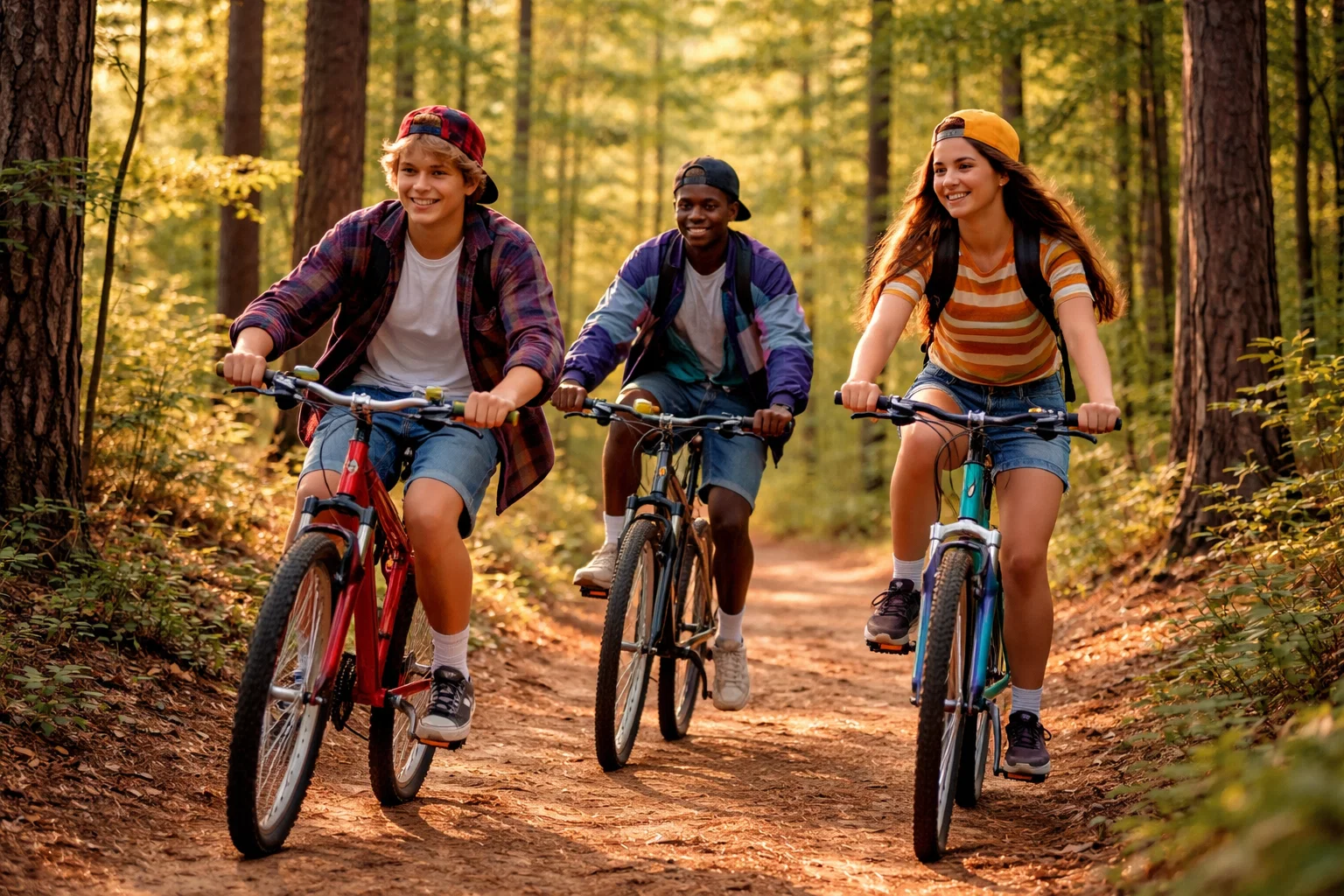
One of the most common memories for Jersey kids in the ’90s was riding bikes for miles without telling anyone exactly where they were going. Kids from suburbs in places like Toms River, Cherry Hill, or Paramus would leave the house in the morning and not come back until dinner. Groups would ride through neighborhoods, cut through wooded areas, or bike to convenience stores along busy highways to buy candy or soda. Today, parents typically expect location sharing, check-ins, and much closer supervision, especially with traffic levels and safety concerns higher than they were decades ago.
Another classic activity was spending entire days unsupervised at the Jersey Shore. Teenagers and even younger kids would get dropped off in places like Seaside Heights, Wildwood, or Point Pleasant and wander the boardwalk for hours. Many spent time on the beach or riding amusement rides without any adults nearby. In some cases, groups of kids would take buses from inland towns to the shore during the summer. Modern policies at beaches, boardwalks, and amusement areas—along with heightened safety awareness—make that kind of unsupervised freedom much less common.
For many kids in North and Central Jersey, hanging out at malls for entire afternoons or evenings was practically a weekend ritual. Places like Freehold Raceway Mall, Garden State Plaza, and Menlo Park Mall were packed with teenagers who were often dropped off by parents and left there for hours. They would roam stores, spend time in arcades, eat at food courts, and sometimes see movies without adults present. Today, many malls enforce curfews or require minors to be accompanied by adults during certain hours because of safety and crowd control concerns.

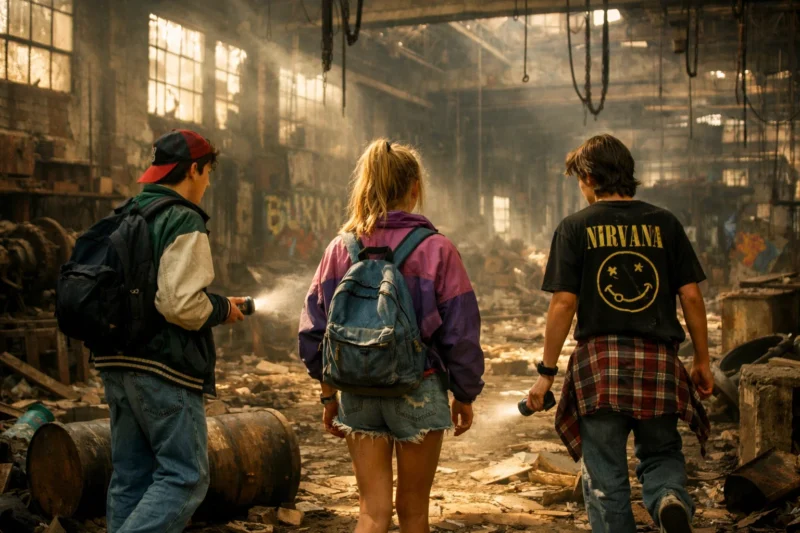
Another thing that would seem shocking today was kids exploring abandoned industrial sites and wooded areas. New Jersey has long had old factories, rail lines, and unused buildings scattered throughout cities and suburban towns. In the ’90s, curious kids frequently wandered into these areas to explore, climb structures, or ride BMX bikes through overgrown lots. These places often had real hazards—unstable buildings, exposed materials, and other dangers—making them the kind of adventure that parents today would strongly discourage.
Transportation freedom was also different. Kids regularly used NJ Transit trains and buses alone at surprisingly young ages. Teenagers from suburban towns would take trains into New York City or to other parts of the state to meet friends, attend concerts, or go shopping. While some older teens still travel independently today, it was far more common in the ’90s for younger teens to navigate public transportation without much oversight.
Looking back, many ’90s kids remember those experiences as defining parts of growing up in New Jersey—long summer days, spontaneous plans, and a sense of independence that shaped friendships and memories. But changing safety standards, technology, and cultural expectations mean that much of that freedom has faded. What once felt normal for a generation of Garden State kids now often falls into the category of things modern parents simply wouldn’t allow.