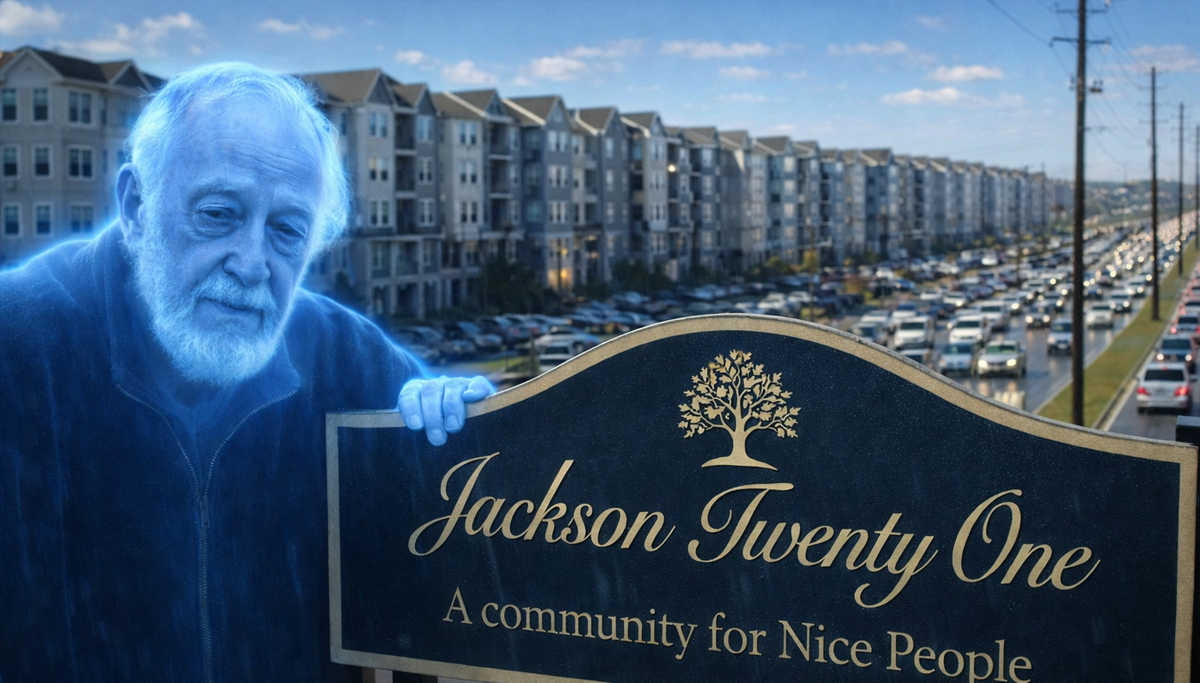
It was an impossible dream that is now dead. Another broken promise by Jackson Township’s elected officials that nobody wants to talk about
JACKSON, NJ – Back in 2013, Broadway legend Mitch Leigh stood before the Jackson Chamber of Commerce and painted a picture that sounded too good to be true — because it was supposed to be. The Tony Award-winning composer of Man of La Mancha had spent decades quietly assembling nearly 1,000 acres off Exit 21 of I-195.
His vision for Jackson Twenty-One wasn’t just another subdivision. It was to be a “dream village”: a walkable, mixed-use downtown with shops, restaurants, a hotel, movie theaters, an IMAX, a performing arts center, artist studios, sports facilities that evoked Chelsea Piers, public squares, and generous open greens for everyone.

Leigh called it a place for “really nice people who love the arts and sports.” In 2012, the township gave tentative approval to his modified plans: 1,514 residential units paired with a staggering 2.9 million square feet of commercial space. Earlier approvals dating back to 1988 had promised the same thing — a true downtown-style neighborhood with homes and shops, not one without the other.
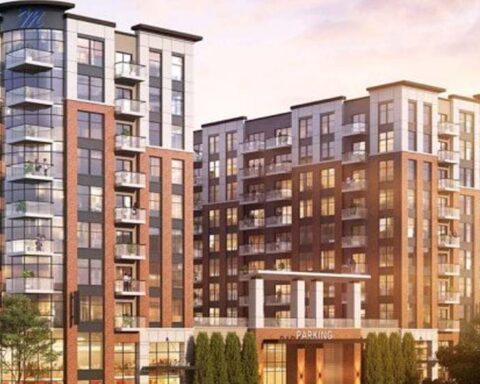
The first phase was even supposed to feature apartments built over a vibrant, artistic streetscape. Leigh’s own commercials and renderings sold the impossible dream: clean air, culture, community, and commerce all in one green package.
A vision that faded after Leigh’s death
Then, in March 2014, Mitch Leigh died at 86. And the dream quietly died with him.
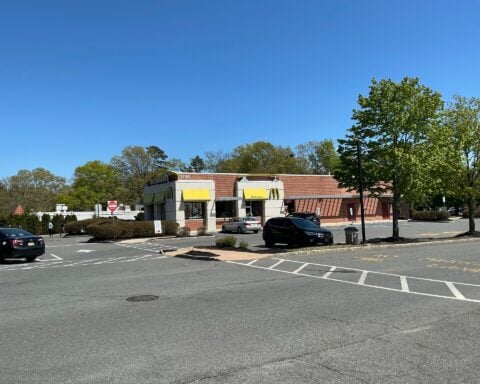
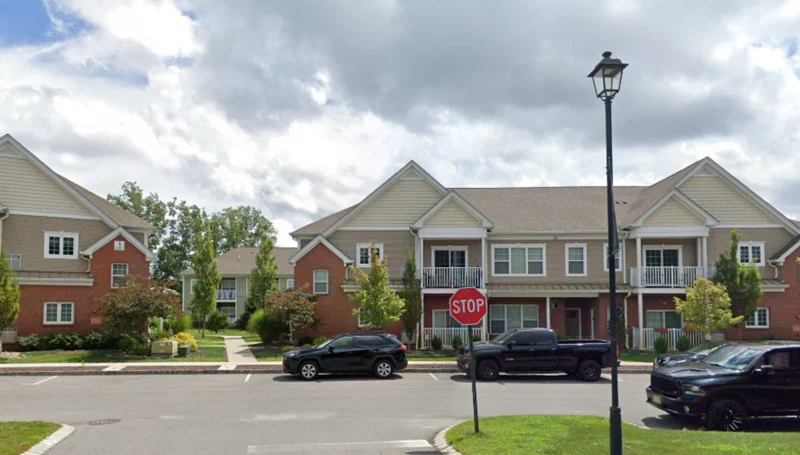
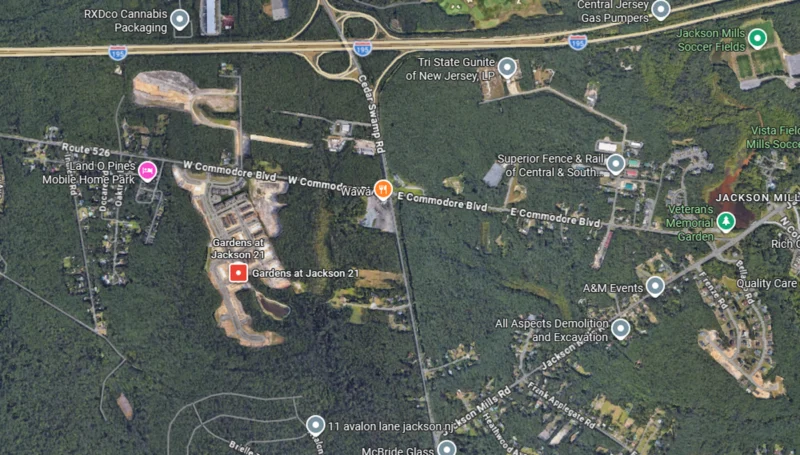
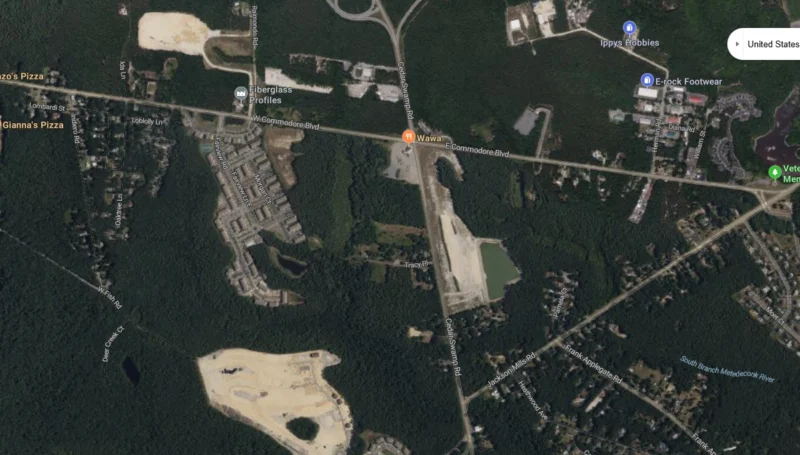
Today, drive along Freehold Road or Cedar Swamp Road and what do you see? Clear-cut tracts of former woods. Row after row of high-density apartments and luxury townhomes — The Gardens at Jackson Twenty-One (affordable rentals), The Ponds, and The Club at Jackson Twenty-One built by D.R. Horton.
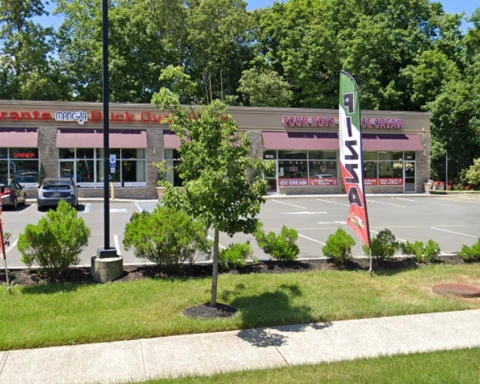
Warehouses and a Wawwa have even crept in, but local GOP leader Clara Glory got her family’s new liquor store in the mix.
The “downtown” never materialized. No theaters. No art district. No hotel. No public greens worthy of the original pitch. Just housing, housing, and more housing — much of it driven by New Jersey’s affordable-housing mandates that turned a once-ambitious mixed-use project into a residential numbers game.
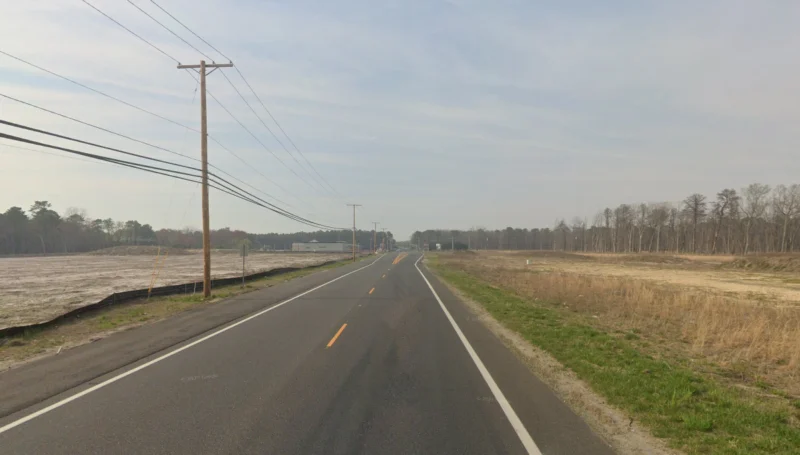
It’s nothing more than sand lots where a vibrant pine forest once stood.
Development shifts and growing concerns
Residents have noticed. As one local observer put it years ago, “Is this what Mitch Leigh had in mind?” The answer is obvious: no.
A 2023 report rightly called the project under fire for failing to deliver what was promised. Builders have pushed — and in some cases simply built — taller structures, extra decks, and denser layouts than originally approved.
Jackson Twenty One Before
Jackson Twenty-One After
The Planning Board has occasionally pushed back, but the commercial component that was supposed to anchor the entire development has been kicked down the road indefinitely.
Questions for township leadership
Here’s the part that should outrage every Jackson taxpayer: the original approvals were phased for a reason. The township explicitly conditioned further residential construction on progress toward the commercial, retail, and civic elements.
You don’t get to build thousands of new rooftops — and the traffic, schoolchildren, and infrastructure demands that come with them — unless you deliver the economic engine that was supposed to support the community. That economic engine not only did not come, the area is filled with subsidized housing, putting a further burden on the residents of Jackson.
Yet the council, zoning board, planning board, and mayor have let the developers treat those conditions like suggestions rather than requirements.
Why? Affordable-housing court orders, Mount Laurel obligations, and the path of least resistance, most likely. It’s easier to approve more apartments to satisfy state mandates and developer bottom lines than to hold the line for the mixed-use promise that would have created jobs, foot traffic, and a real town center.
Meanwhile, Jackson’s schools, roads, and services absorb the full burden of a residential-heavy buildout that Leigh himself never envisioned as the endgame.
The current leadership — from the Planning Board to the Township Council — owes Jackson residents straight answers. When did the commercial triggers get waived? Who approved the pivot to high-density-only?
And why has no one forced the current owners of Leigh Realty’s land (or their successors) to honor the public commitments made decades ago in exchange for the zoning relief they received?
A promised downtown that never arrived
Mitch Leigh called Jackson Twenty-One his “final dream.” The township sold it to residents and chamber members as a transformative opportunity — not just more rooftops, but a genuine downtown with culture, commerce, and open space.
That dream has been replaced by clear-cut fields and cookie-cutter high density housing. Jackson deserves better than a bait-and-switch. The council and mayor still have the power — and the obligation — to hold developers’ feet to the fire. Demand the commercial component. Enforce the original conditions. Or admit publicly that “the impossible dream” was nothing more than an impossible sales pitch, and that today’s Jackson Twenty-One is exactly what the critics always feared: just another high-density housing machine with no soul and no accountability.
The trees are already gone. The least our elected officials can do is make sure the promises aren’t buried with them.