Electric shock for New Jersey as residents face 20% jump in power bills from June
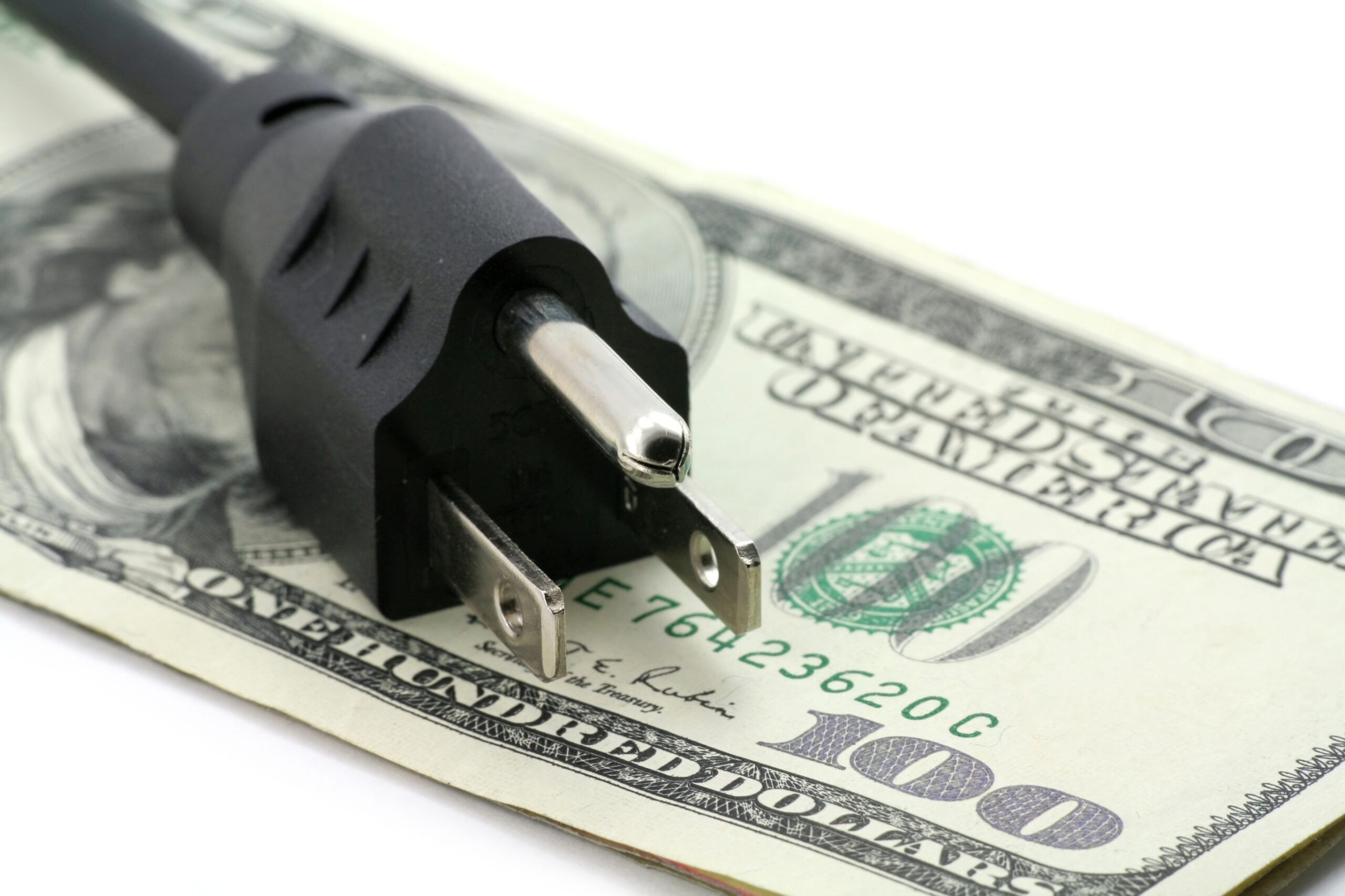
TRENTON, NJ – New Jersey households were hit with a 20% spike in electricity bills starting June 1, with average monthly costs rising by $20 to $30 due to a mix of strained power supply, surging demand, policy decisions, and delays in renewable energy infrastructure across the state.
The increase applies primarily to the supply portion of utility bills and impacts customers of major providers including PSE&G, JCP&L, Atlantic City Electric, and Rockland Electric.
The rate hike stems from the state’s Basic Generation Service (BGS) auction held in February, where utilities locked in higher wholesale electricity prices caused by tightening supply and regional demand surges.
Data centers powered by artificial intelligence, electric vehicles, and longer, hotter summers have fueled a sharp uptick in consumption.
New Jersey, once stable in its energy demand, is now importing more electricity than ever after in-state generation dropped 12% since 2016 due to the retirement of coal, nuclear, and gas facilities.
Critics, including the Wall Street Journal and Republican figures, argue Murphy’s policies since 2017—shutting down coal/nuclear plants, subsidizing intermittent solar/wind (despite New Jersey’s cloudy climate), and opposing natural gas expansions—have deliberately reduced supply while boosting demand through EV mandates and decarbonization goals. This has led to over 50% price rises since 2018, far above national averages, and made New Jersey the 12th-most expensive state for electricity.
Murphy’s BPU, which he appoints, approved the rate hikes and auction processes.
In response, Murphy has issued executive actions for affordability measures (e.g., $100 bill credits) and signed bills pushing for PJM reforms, while calling for federal intervention.
Progressive think tanks and Democratic leaders, including gubernatorial candidate Mikie Sherrill, blame PJM for auction price spikes, interconnection delays, and a structure that advantages fossil fuels over renewables. They’ve urged rerunning auctions and reforms via the Federal Energy Regulatory Commission (FERC).
The BPU recently ordered an investigation into PJM’s role.
Utilities and Energy Producers: Despite passing costs through, some residents blame them for profits amid hikes, though they don’t control wholesale prices.
Federal and Broader Factors: Some attribute blame to Biden-era policies encouraging renewables/electrification or global forces like inflation in energy markets.
A critical driver of the supply shortfall is a regional bottleneck in the power grid: PJM Interconnection, which manages electricity for New Jersey and 12 other states, is currently sitting on a backlog of 143 gigawatts in unconnected renewable energy projects.
The state’s capacity to replace shuttered baseload plants has lagged, with the cancellation of Ørsted’s offshore wind projects and opposition to new gas pipelines further tightening margins.
PJM’s own auction process, which determines reserve capacity pricing, saw costs soar earlier this year. Critics from both sides of the aisle claim PJM’s structure favors fossil fuels and has hindered clean energy integration, with delays now stretching into 2026.
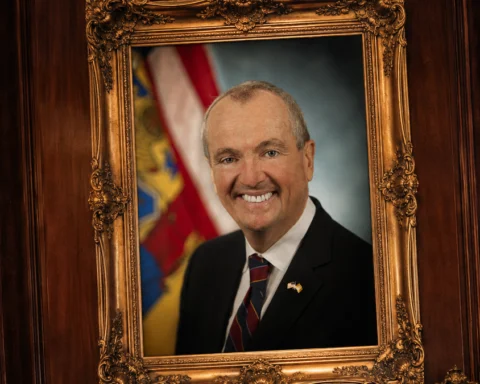
Governor Phil Murphy’s administration has backed aggressive clean energy targets, including 100% clean electricity by 2035, but has come under fire for failing to balance those goals with grid reliability and affordability.
A Fairleigh Dickinson University poll released in July shows blame is widely spread: 26% of residents blame utilities, 19% blame Murphy, and 15% point to federal government policy.
While Murphy’s office authorized $100 bill credits for some households and supports federal reform of PJM, his appointees at the Board of Public Utilities (BPU) approved the auction mechanisms that triggered the June increase.
Meanwhile, some Republican lawmakers have pointed to the cumulative 50% increase in power prices since 2018, calling for a reassessment of clean energy mandates and a return to natural gas development.
As of March, 79 energy projects within New Jersey remain stuck in PJM’s interconnection queue, while the broader regional delay has halted progress on 143 gigawatts’ worth of capacity.
Additional charges related to transmission upgrades, renewable programs, and social initiatives have also quietly crept into monthly bills.
In summary, while PJM’s operational failures and market dynamics are direct triggers, Governor Murphy’s clean energy policies bear significant responsibility for exacerbating supply vulnerabilities, as substantiated by conservative critiques and capacity data. This has created a perfect storm, with costs ultimately borne by ratepayers. For relief, options include switching to third-party suppliers, energy efficiency programs, or solar adoption, though another 1.5–5% increase is expected in 2026.
With no short-term solution in place, residents can expect further increases ranging from 1.5% to 5% in 2026, analysts warn.
—
Key Points
- New Jersey electricity bills rose 20% on June 1, adding $20–$30 monthly per household
- Drivers include rising demand, plant retirements, and grid interconnection delays
- Responsibility is divided among state policies, PJM operations, and broader market pressures
A perfect storm of policy, demand, and stalled energy projects has lit up New Jersey bills with a scorching summer rate hike.