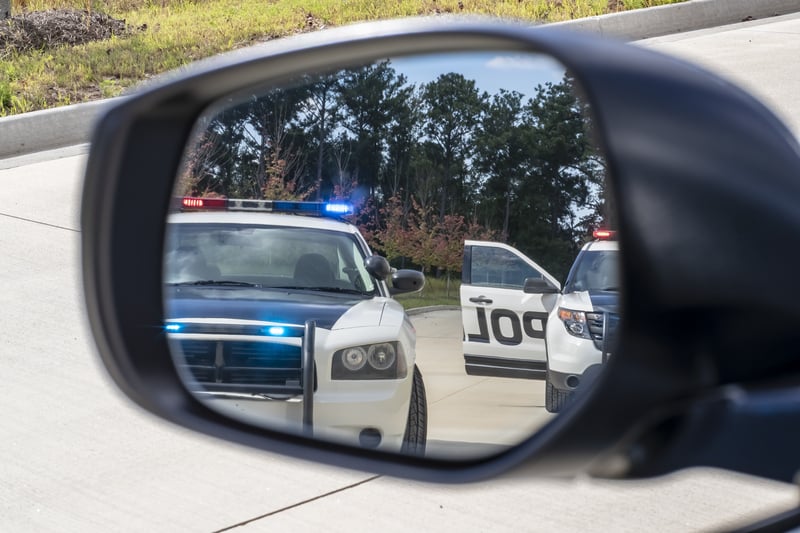
Annapolis, MD – Maryland has codified clear standards for police transparency during traffic and pedestrian stops, mandating that officers identify themselves and explain the reason for any stop unless exigent circumstances exist.
Under Article – Criminal Procedure §2–109, officers must display proper identification and provide their name, agency, identification number, and the reason for initiating the stop. The rule applies to both vehicle and pedestrian encounters and is intended to strengthen accountability and public trust during law enforcement interactions.
The law also includes provisions governing officer conduct during stops. While failure to comply with the identification requirement may lead to administrative disciplinary action, it cannot be used as grounds to suppress evidence in court under the exclusionary rule.
In addition, the statute explicitly protects the right of citizens to record police officers, stating that an officer “may not prohibit or prevent a citizen from recording the police officer’s actions if the citizen is otherwise acting lawfully and safely.”
Key points:
- Officers must identify themselves and state the reason for a stop, unless exigent circumstances apply
- Violations can result in internal discipline but do not invalidate evidence
- Citizens have the legal right to record police officers acting in public, as long as it is done lawfully and safely
The measure reinforces Maryland’s broader police accountability framework, ensuring transparency during encounters between law enforcement and the public while maintaining officer safety and procedural integrity.