

NJ lawmakers propose “Saving Our Diners and Protecting Our Past Act” to help preserve historic eateries
Bill would create state registry for classic diners and family-owned restaurants, offering tax breaks to sustain New Jersey’s culinary landmarks.a
TRENTON, NJ – New Jersey lawmakers are seeking to honor and preserve one of the state’s most beloved traditions — the neighborhood diner — through a new measure that would provide tax relief and recognition to long-running local eateries.
Assembly Bill A6283, known as the “Saving Our Diners and Protecting Our Past Act,” establishes an annual registry for historic diners and restaurants and grants certified establishments key financial incentives, including a sales and use tax exemption and state income and business tax credits for a portion of ingredient costs.
The bill, introduced in the 2024–2025 legislative session, is designed to bolster small, family-owned dining institutions that have been part of New Jersey’s landscape for generations.
State registry for historic diners and restaurants
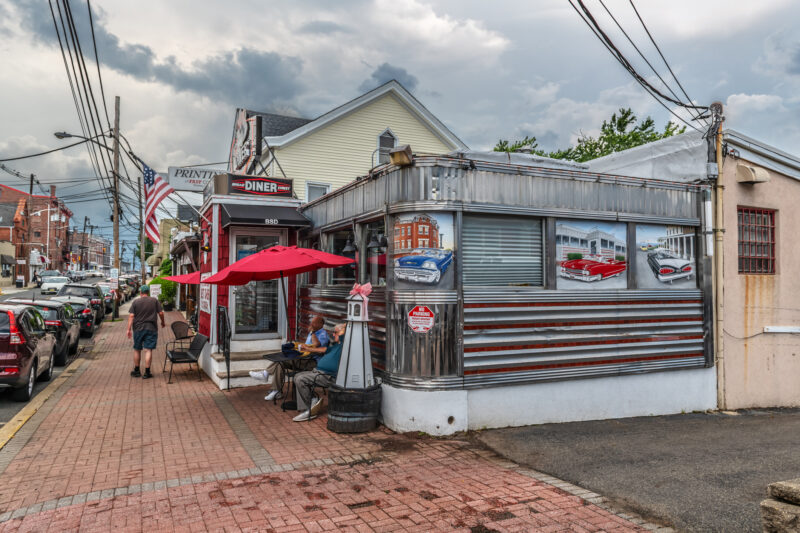
Under the proposal, the Division of Travel and Tourism in the Department of State would create an annual Historic Diner and Restaurant Registry, certifying establishments that meet specific qualifications.
To be designated a historic diner, an establishment must:
– Primarily serve food and beverages for on-site consumption at booths, tables, or counters;
– Offer a wide, traditional diner-style menu, including breakfast items, sandwiches, burgers, salads, soups, and desserts;
– Qualify as a small business under the federal Small Business Act; and
– Have operated continuously in New Jersey for at least 25 years, including time lost due to pandemic-related dining closures.
The definition explicitly excludes cafés, taverns, bars, delicatessens, and sandwich shops — a nod to preserving the authentic diner format that helped shape the state’s mid-20th-century roadside culture.
A historic restaurant, meanwhile, must be a fixed-location eatery that has been family-owned and operated for at least 25 years, remains compliant with all local health and zoning laws, and qualifies as a small business under federal standards.
Sales tax exemption for dine-in customers
Currently, all New Jersey restaurants, including diners, must collect sales tax on prepared food and beverages, whether consumed on-site or taken to go. A6283 would create a 12-month exemption from sales tax on meals and beverages served for on-premises consumption at certified historic diners and restaurants.
Once approved for the registry, an operator would receive a sales tax exemption certificate from the Division of Travel and Tourism. That certificate would be presented to the Division of Taxation, granting the business the ability to suspend sales tax collection for one year.
Lawmakers framed the exemption as both economic relief and a symbolic acknowledgment of the cultural value diners and old family eateries bring to the state.
Tax credits for ingredients
The bill also offers a 10 percent state tax credit—up to $25,000 per year—on the costs of eligible ingredients used in food and beverage preparation. The credit can be claimed against either the corporation business tax (CBT) or the gross income tax (GIT), depending on how the business is structured.
“Eligible ingredients” include any consumable food substances used to prepare menu items, whether fresh, frozen, or dried — but specifically exclude alcoholic beverages and tobacco. To claim the credit, operators would be required to submit detailed business records documenting ingredient costs along with a tax credit certificate issued by the Division of Travel and Tourism.
Supporting small businesses and preserving cultural heritage
The legislation reflects growing concern over the decline of New Jersey’s iconic diners and legacy restaurants. Once numbering in the hundreds, many have closed due to rising costs, changing consumer habits, and competition from national chains.
Assemblywoman Margie Donlon (D–Monmouth), the bill’s sponsor, said the goal is to sustain small, family-run establishments that define New Jersey’s identity. “These diners and family restaurants are living landmarks,” Donlon said. “They’ve served generations of residents, anchored communities, and built the state’s reputation as the ‘Diner Capital of the World.’ This bill gives them the recognition and support they deserve.”
Administering the program
The Division of Travel and Tourism would oversee applications and determine eligibility each year. Operators would submit documentation demonstrating compliance with the age and business criteria. Once certified, establishments would be listed on the public registry and issued the exemption and tax credit certificates.
The Division of Taxation would administer the financial components, ensuring that credits are properly applied and that exemption periods are honored in accordance with state revenue procedures.
Economic and cultural impact
Supporters argue that preserving historic diners benefits both local economies and tourism. Many of the state’s most famous diners — from the Tick Tock Diner in Clifton to Tony’s Baltimore Grill in Atlantic City — attract visitors as cultural landmarks in addition to serving local patrons.
Economists say that while the tax exemptions and credits represent a modest revenue reduction, the policy could help stabilize small businesses that are significant local employers and contribute to community revitalization.
Critics may raise concerns about potential revenue losses or the challenge of defining which establishments truly qualify as “historic.” However, the bill’s detailed criteria aim to ensure that only long-standing, small, family-run operations benefit.
A bid to keep tradition alive
New Jersey’s diners have been celebrated nationally for their neon signage, chrome exteriors, and 24-hour menus — relics of postwar America that still thrive in small towns and along highways. Yet many have faced closures amid rising rents and modernization pressures.
If enacted, the “Saving Our Diners and Protecting Our Past Act” would be the first state-level policy in the nation to provide both tax relief and official recognition to historic diners and family restaurants as part of New Jersey’s cultural heritage preservation strategy.
The bill has been referred to the Assembly Commerce, Economic Development, and Agriculture Committee for review. If approved, the program could take effect the following fiscal year, offering a year-long sales tax holiday and annual tax credit opportunities for qualifying establishments.
Supporters say that beyond financial help, the registry would elevate these landmarks to the level of protected cultural assets — ensuring that generations of New Jerseyans can continue to enjoy the state’s distinctive brand of hospitality at the counter, booth, or breakfast grill where it all began.