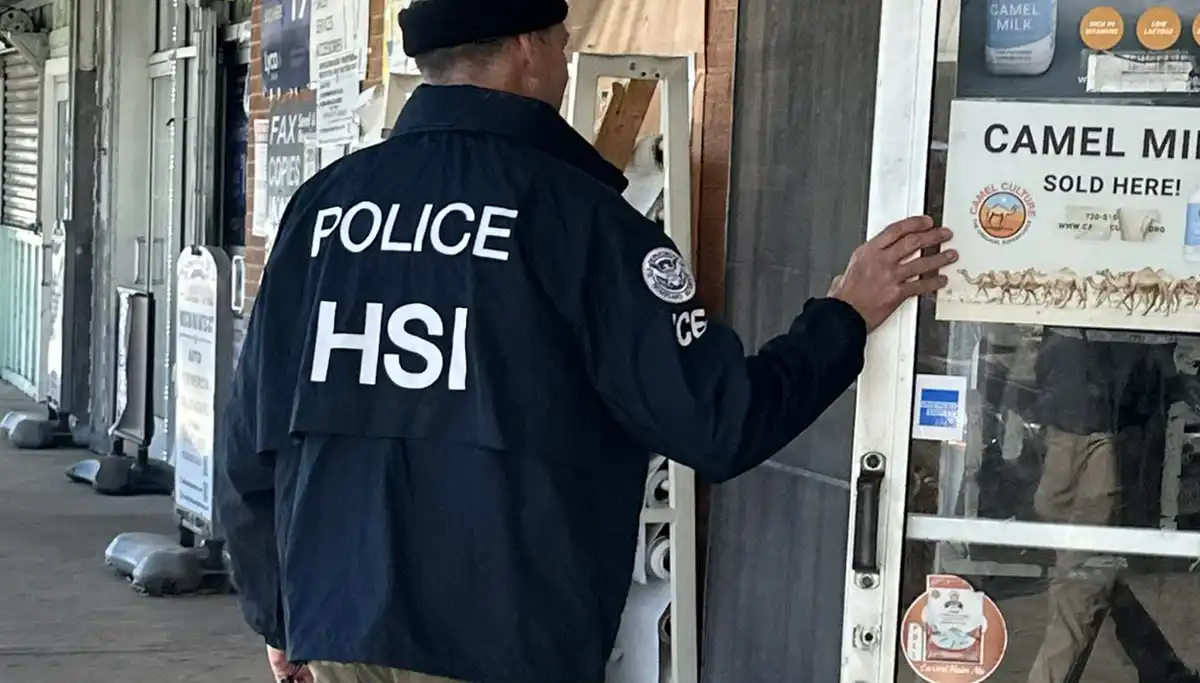
Trenton, NJ — A legal fight between New Jersey and the federal government escalated Tuesday as the U.S. Department of Justice moved to block a new state law that requires law enforcement officers—including federal agents—to show their faces and identify themselves during operations.
The challenge targets New Jersey’s Law Enforcement Officer Protection Act, signed in March 2026, which bans most forms of face coverings and requires officers to present identification before detaining or arresting someone. The DOJ argues the law interferes with federal immigration enforcement, setting up a constitutional clash over how far states can regulate federal agents operating within their borders.
Federal-state conflict takes center stage
At the core of the dispute is whether New Jersey can impose rules on federal officers, particularly Immigration and Customs Enforcement (ICE), during enforcement actions.
Federal officials contend the law—and related policies like Executive Order 12—restrict where and how agents can operate, including limiting access to nonpublic areas of state property and banning masks often used during raids.
The DOJ claims those restrictions violate the U.S. Constitution by obstructing federal authority over immigration enforcement.
New Jersey defends transparency law
State leaders argue the law addresses growing concerns about anonymous policing and public safety.
New Jersey Attorney General Jennifer Davenport’s office said the measure ensures accountability by requiring officers to clearly identify themselves, while still allowing exceptions for undercover work, tactical operations, and protective gear.
In a statement released Tuesday, Attorney General Jennifer Davenport defended the policy:
“The New Jersey Law Enforcement Officer Protection Act protects both law enforcement and the public by limiting the use of masking while including careful exceptions to protect law enforcement safety and operational needs,” Davenport said.
She added that federal objections fail to explain when agents need to conceal their identity, warning that anonymous enforcement could “undermine public trust and accountability, and make it easier for criminals to impersonate our officers.”
—
Key Points
• DOJ filed lawsuit challenging New Jersey’s police mask and ID law
• Law requires officers, including federal agents, to show faces and identify themselves
• State argues law boosts transparency; feds say it blocks immigration enforcement
—
Why the law matters beyond New Jersey
The case could have broader implications nationwide, especially as states pass laws limiting cooperation with federal immigration authorities.
New Jersey’s law applies to all levels of law enforcement operating within the state, making it one of the most expansive transparency measures in the country. Violations can carry penalties including fines up to $1,000 and up to six months in jail.
Supporters say the policy responds to fears of impersonation and confusion during enforcement actions—concerns that have surfaced in immigrant communities and during high-profile federal operations.
Opponents argue those same restrictions could endanger officers and disrupt coordinated law enforcement efforts.
What happens next
The lawsuit, filed by the Department of Justice, seeks to invalidate portions of the law and related policies. The case will likely hinge on constitutional questions around federal supremacy and states’ rights.
New Jersey officials say they are prepared to defend the law in court.
For now, the statute remains in effect, but the legal battle is expected to move quickly as both sides push for clarity on how the rules apply to federal agents operating in the state.