

New York, NY – Green-touting New York City officials reveled in the destruction of thousands of ‘dangerous’ mopeds, but the people who commited the alleged crimes are most likely back out on the streets anyway, but the object is the problem, not the actual problem, as always.
New York City officials are celebrating the seizure and destruction of thousands of illegal mopeds and scooters, but the crackdown is also drawing backlash from critics who argue the city is creating massive amounts of avoidable waste while promoting itself as a national leader on sustainability.
The NYPD announced this week that officers have already seized more than 5,700 illegal scooters and mopeds in 2026, with many of the vehicles later bulldozed and crushed. Videos shared by city officials showed piles of confiscated scooters being destroyed at scrap facilities, a move supporters call necessary for public safety but critics describe as environmentally contradictory.
The debate has fueled growing questions about whether New York City’s aggressive enforcement campaign conflicts with its broader “green” agenda focused on reducing waste, lowering emissions, and promoting reuse over disposal.
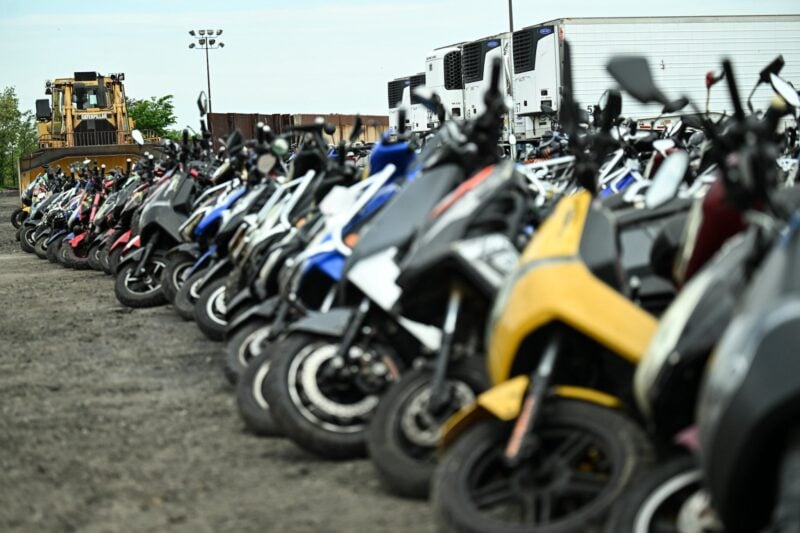
Critics Question Why Vehicles Aren’t Reused or Resold
Much of the criticism centers on the city’s decision to destroy the vehicles rather than auction, recycle, or repurpose them.
Several social media users responding to the NYPD’s announcement argued that at least some of the scooters could potentially be sold legally outside New York City or dismantled for usable parts instead of ending up in scrap heaps.
“Why can’t you just sell them off at auction?” one commenter wrote. “The amount of money NYPD can make from this to put back into their department would just make way too much sense.”
Others questioned whether crushing electric scooters and mopeds undermines the city’s environmental messaging.
“Seems like selling them would be better?” another commenter posted, while others suggested the vehicles could be reused in regions where they are legal or less restricted.
The NYPD has argued that many of the seized vehicles are either unregistered, illegally modified, lack proper documentation, or violate state traffic and safety laws. City officials have linked illegal scooters and mopeds to traffic crashes, reckless driving complaints, robberies, and quality-of-life concerns.
Still, critics say destroying thousands of machines — many containing batteries, metals, plastics, tires, and reusable components — appears difficult to reconcile with New York City’s public climate goals.
Others question the act and wonder if the city will be doing the same to their gas-powered cars in the near future.
Key Points
• NYPD says officers have seized more than 5,700 illegal scooters and mopeds so far in 2026
• Videos showing the vehicles being crushed sparked criticism over environmental waste and missed resale opportunities
• Critics argue the city’s destruction policy conflicts with New York’s broader sustainability and recycling goals
Environmental Concerns Add New Layer to Enforcement Debate
The controversy arrives as New York City continues promoting policies centered on electrification, congestion reduction, and environmental sustainability.
City leaders have encouraged residents to adopt electric transportation alternatives, including e-bikes and scooters, while simultaneously tightening enforcement against unregistered or illegal vehicles operating on streets and sidewalks.
That overlap has created confusion among some residents who see the destruction campaign as symbolic of competing priorities inside city government.
Questions have also emerged about what qualifies as “illegal” under the enforcement initiative. In many cases, scooters may lack registration, insurance, license plates, or legal certification for street use under New York law.
Some vehicles are also modified to exceed legal speed limits or operate without required safety equipment.
The NYPD has not publicly indicated how many of the seized scooters were fully electric versus gas-powered, nor how many could potentially have been repaired or legally repurposed.
Environmental advocates have long pushed cities to embrace “circular economy” policies that prioritize reuse and refurbishment over disposal whenever possible. Critics of the NYPD’s approach argue that crushing thousands of vehicles sends the opposite message at a time when officials regularly urge residents to reduce waste and recycle electronics, batteries, and appliances.
Public Reaction Expands Beyond Scooter Enforcement
The online reaction quickly expanded beyond the scooters themselves, with some commenters accusing city leaders of prioritizing quality-of-life enforcement over violent crime and broader public safety concerns.
Others defended the crackdown, arguing illegal scooters and mopeds have contributed to dangerous driving conditions, sidewalk congestion, and untraceable getaway vehicles used in crimes.
Supporters also pointed to increasing complaints about riders ignoring traffic laws, driving against traffic, or operating at high speeds in crowded pedestrian areas.
The debate reflects a larger national tension playing out in major cities as officials try to balance sustainability goals with public safety enforcement and transportation regulation.
For now, New York City appears committed to continuing the seizures. The NYPD stated this week that enforcement efforts targeting illegal scooters and mopeds remain ongoing.
The growing criticism, however, is raising broader questions about how aggressively cities should dispose of confiscated property — and whether environmentally conscious alternatives could achieve the same public safety goals without adding thousands of vehicles to the waste stream.
