

PHILADELPHIA, PA – U.S. Customs and Border Protection officers at the Port of Philadelphia recently intercepted a shipment containing 36 Bronze Age swords and 50 arrowheads believed to be nearly 4,000 years old, illegally imported from the Middle East.
Key Points
- CBP seized 36 copper-alloy swords and 50 arrowheads dating to 1600–1000 BCE
- Artifacts originated from Iran’s Talish Mountains region near the Caspian Sea
- Shipment from the UAE was falsely declared as “metal decoration articles”
Ancient artifacts disguised as metal decorations
According to CBP officials, the shipment arrived from the United Arab Emirates on October 16 and was addressed to a location in Jacksonville, Florida. The package was declared as “metal decoration articles,” but upon X-ray screening, officers noticed sword-shaped objects concealed inside.
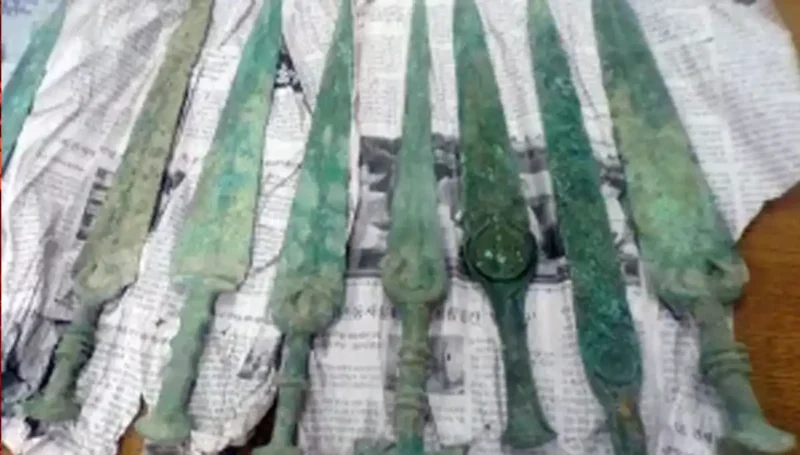
When they opened the shipment, officers discovered dozens of short copper-alloy swords and arrowheads. Believing the items might be cultural artifacts, CBP detained the shipment and requested assistance from the National Targeting Center’s Antiquities Unit.
An archaeologist from a Philadelphia-area university with expertise in Middle Eastern antiquities examined the items and confirmed they were authentic Bronze Age artifacts originating from the Talish Mountains region of northern Iran, dating back to between 1600 and 1000 BCE.
Investigation reveals likely looted antiquities
Authorities suspect the items were taken from ancient burial sites and exported unlawfully. The importer did not provide the required export permits from Iran, as mandated by U.S. cultural property import laws.
“Customs and Border Protection officers strive to rescue cultural artifacts from the grips of illicit international traders who plunder and exploit another nation’s heritage for profit,” said Elliot N. Ortiz, CBP’s Acting Area Port Director in Philadelphia. “The deceptive practices used to smuggle these treasures into the United States not only violate our import laws but also undermine efforts to preserve and protect the integrity of cultural history.”
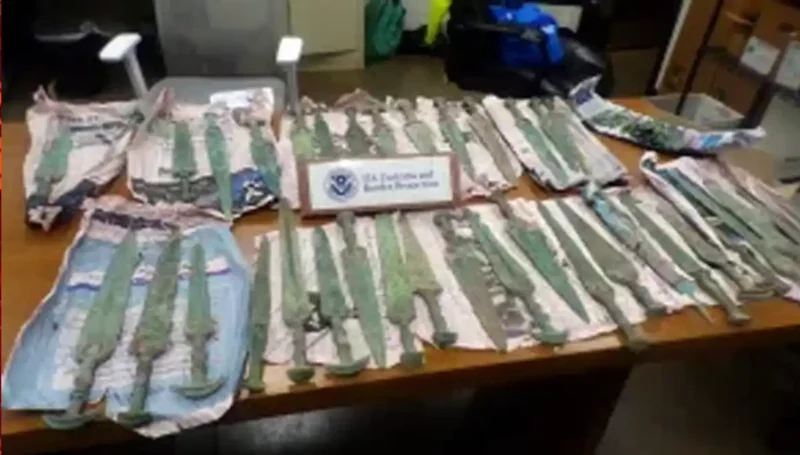
The seized items will remain in CBP custody until a final determination is made regarding their disposition.
Protecting cultural heritage through enforcement
CBP noted that importing cultural property without proper authorization or export permits violates both U.S. and international law. Even artifacts purchased legally in another country cannot be brought into the United States without documentation from the nation of origin confirming their lawful export.
CBP continues to work with archaeologists, museums, and international law enforcement partners to identify and return looted cultural property to its rightful countries.
Tags: philadelphia, customs, cultural artifacts