
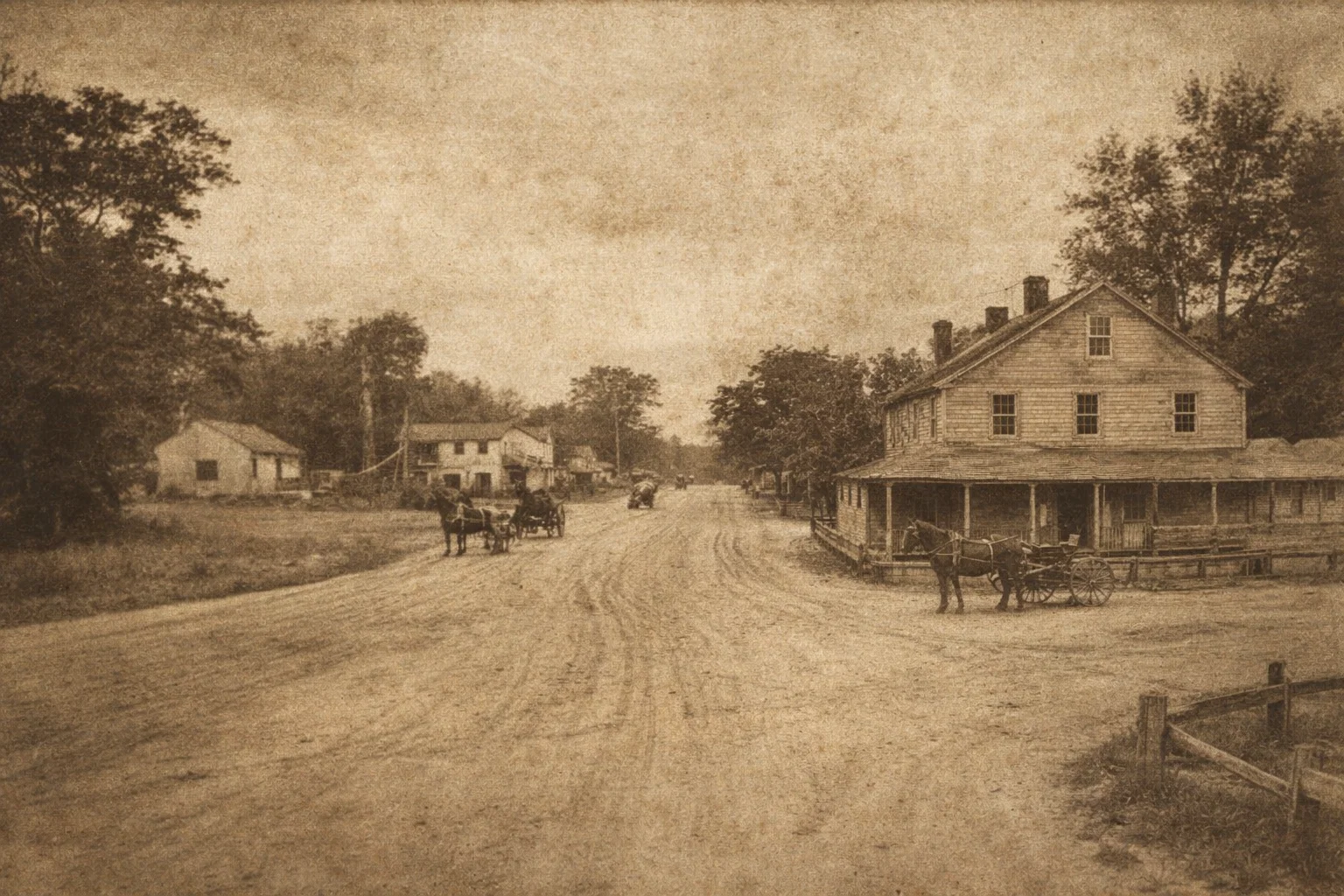
The Ocean County community, incorporated on March 6, 1844, has grown from farmland to one of the region’s fastest-growing municipalities.
Jackson Township, NJ – Jackson Township is marking another year since its official incorporation, celebrating a history that stretches back more than 180 years and a transformation from a quiet agricultural community into one of Ocean County’s most rapidly developing towns.
Jackson Township was officially incorporated by the New Jersey Legislature on March 6, 1844, after being carved from portions of Freehold Township, Upper Freehold Township, and Dover Township, now known as Toms River.
Key Points
• Jackson Township was incorporated on March 6, 1844
• The township was named after President Andrew Jackson
• Today it is the largest municipality in Ocean County by land area
A township rooted in agriculture
The township was named in honor of President Andrew Jackson, the seventh president of the United States, who died the following year in 1845.
In its earliest years, Jackson was a rural landscape dotted with small farms, mills, and forest settlements. The sandy soil of central New Jersey made it ideal for certain crops, including cranberries and poultry farming, which helped shape the township’s early economy.
Small communities developed across the township during the 19th century, including Cassville, Jackson Mills, and Holmansville, where residents operated farms, sawmills, and local trading posts.
Families such as Allen, Applegate, Buckelew, Cheeseman, Holman, and Van Hise are among the early settlers recorded in the township’s historical records.
Originally one of the largest townships in the state
When it was first created, Jackson Township was significantly larger than it is today.
Historical records show the municipality originally covered roughly 170 square miles, making it one of the largest townships established in New Jersey at the time. Over the decades, new municipalities were formed from portions of the township, including nearby communities that would eventually become part of modern Ocean County.
Today, Jackson Township spans roughly 100 square miles, still making it the largest municipality in Ocean County by land area.
Ocean County formation and regional history
Jackson Township became part of Ocean County when the county was officially created in 1850, separating from Monmouth County during a wave of municipal reorganization across New Jersey.
The region also became connected to one of the most famous aviation disasters in history. In 1937, the German passenger airship Hindenburg burst into flames while attempting to dock at Naval Air Station Lakehurst, located just a few miles from Jackson Township.
The disaster killed 36 people and effectively ended the era of passenger airships.
A tourism boom changes Jackson forever
Jackson’s modern transformation began in 1974, when Great Adventure amusement park opened in the township.
The theme park—later acquired by Six Flags in 1977—helped turn Jackson into a major tourism destination. The sprawling resort complex now includes Six Flags Great Adventure, Hurricane Harbor water park, and the Wild Safari drive-through wildlife park, drawing millions of visitors each year.
The park’s presence helped accelerate development throughout the township and established Jackson as one of the region’s most recognizable destinations.
From rural township to growing community
Over the past several decades, Jackson has continued to grow due to its location between the Jersey Shore, Interstate 195, and central New Jersey employment centers.
Retail developments such as Jackson Premium Outlets, new housing developments, and expanding infrastructure have helped transform the once-sleepy farming community into a rapidly growing suburban hub.
While agriculture and open land once defined the township, Jackson today is increasingly evolving into a large suburban community that some local leaders say could eventually resemble a small city.
Even as development continues, residents still mark the township’s founding each year as a reminder of its deep roots in New Jersey history.