
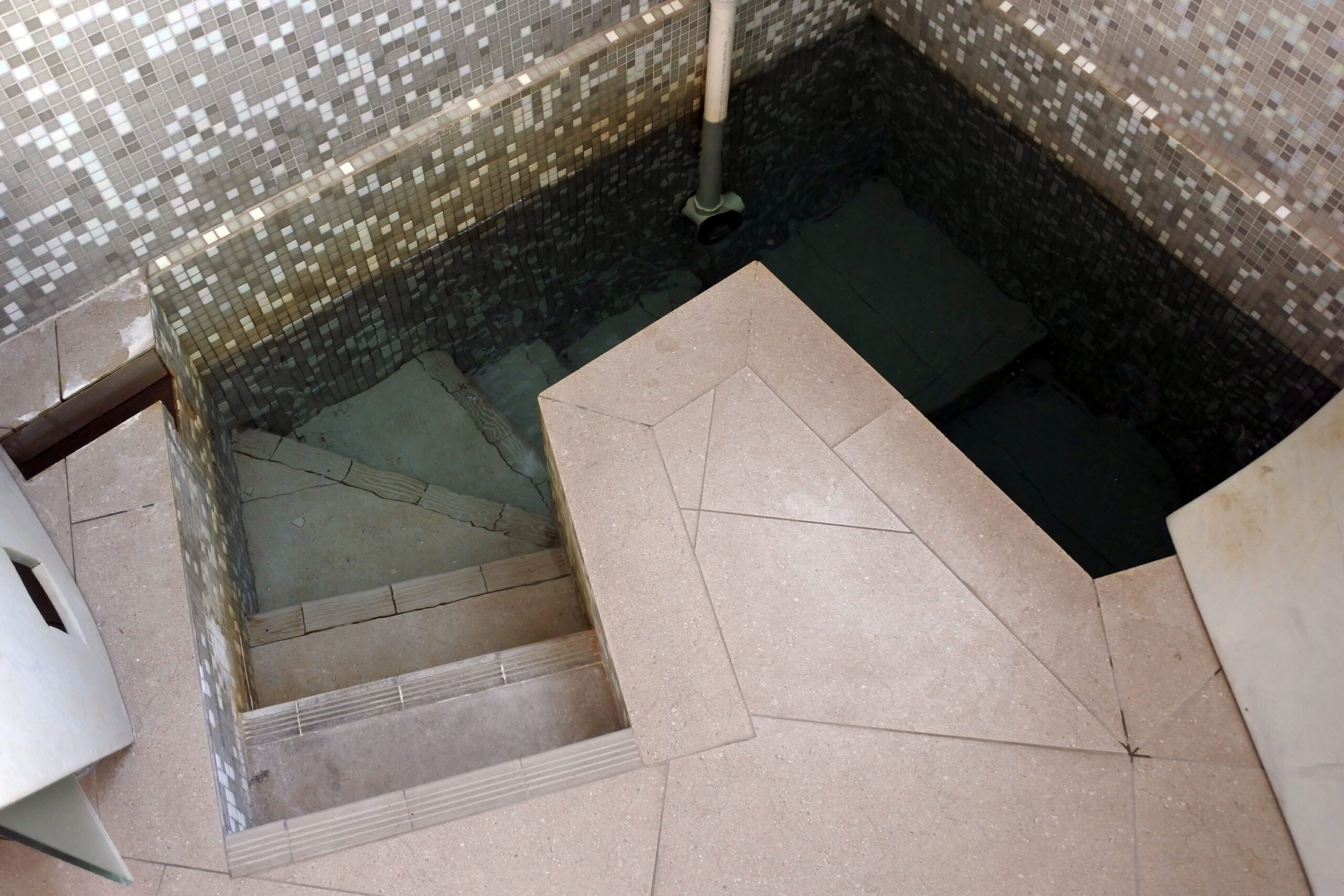
MANCHESTER — After a series of hearings that stretched over several months, the Manchester Township Zoning Board of Adjustment voted unanimously to deny an application seeking to establish a mikvah inside a residential home in the Pine Lake Park section of town.
The proposal, submitted by Congregation Mikvah of Pine Lake Park, involved converting a single-family dwelling at 1209 Ninth Avenue into a religious ritual bath facility. Because the property sits in an R-10 residential district, the intended use was not permitted under current zoning regulations. The applicant therefore sought a D(1) use variance, which is required when proposing a use not allowed in a zoning district, in addition to multiple bulk variances tied to setbacks, lot coverage, parking configuration, and buffering.
The application generated significant public interest and was discussed not only before the Zoning Board but also referenced during Township Council and Planning Board meetings. Due to high attendance, several hearings were held at Manchester Township High School to accommodate residents wishing to comment.
Representatives for the congregation argued that the mikvah serves a fundamental religious function within Orthodox Jewish practice. Legal counsel maintained that such facilities have been recognized in New Jersey case law as inherently beneficial uses.
They also cited the federal Religious Land Use and Institutionalized Persons Act, commonly known as RLUIPA, which limits the extent to which municipalities may impose regulations that substantially burden religious exercise.
Board members were tasked with balancing those religious land use protections against the statutory requirements governing use variances and the potential impact on the surrounding neighborhood. Residents who opposed the project voiced concerns about introducing a non-residential function into a residential block. Issues raised included parking demand, traffic flow, infrastructure capacity, and the broader precedent of allowing institutional uses in similar zones.
Some members of the public suggested that commercially zoned properties within Manchester, or space within an existing synagogue property, could serve as alternative locations. Others expressed concern that converting the home would remove it from the residential tax base.
Following deliberations, the Board voted unanimously to deny the requested variances. The congregation retains the right to appeal the decision in Superior Court or submit a revised application. At this time, no formal appeal has been announced.