
Lawmakers move to restrict 10 substances, with school dye ban set for 2028.
Trenton, NJ – New Jersey lawmakers are advancing legislation that would prohibit a range of food additives and artificial dyes, targeting both products sold statewide and meals served in schools. The measure, Assembly Bill 2050, was approved with amendments by the Assembly Children, Families and Food Security Committee on Monday, signaling a broader push to regulate ingredients in consumer and student food.
Key Points
- Bill adds four additives to list of banned adulterated food substances statewide
- Six artificial dyes to be prohibited in school food starting August 1, 2028
- Violations could carry fines between $50 and $1,000 per offense
The amended bill would classify brominated vegetable oil, potassium bromate, propylparaben, and red dye 3 as substances that render food “adulterated” under state law. That designation would make it illegal to manufacture, sell, distribute, or possess such products with intent to sell within New Jersey.
Enforcement would fall under the State Sanitary Code, with oversight by the Department of Health. Each violation would be treated as a separate offense, subject to financial penalties ranging from $50 to $1,000.
School food restrictions set for 2028
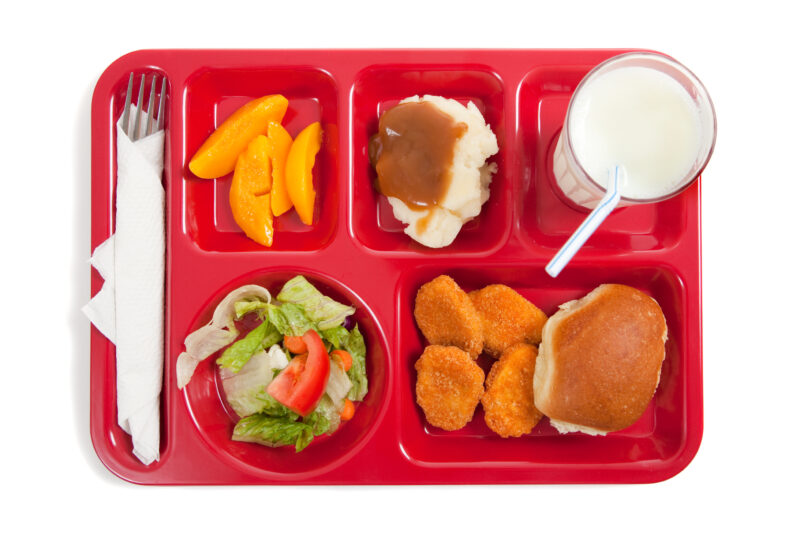
In addition to the broader commercial food restrictions, the bill targets school environments by banning six artificial dyes from any food served, sold, or provided on school property during the school day. This includes items distributed through after-school snack programs.
The dyes listed in the legislation are red 40, yellow 5, yellow 6, blue 1, blue 2, and green 3. The school-specific restrictions are scheduled to take effect on August 1, 2028, giving districts and suppliers time to adjust.
The provisions related to commercial food products would take effect one year after the bill is enacted into law.
Legislative alignment and next steps
Committee amendments aligned the Assembly version of the bill with its Senate counterpart, Senate Bill 3785. Lawmakers also approved technical revisions to language and formatting following a review process.
The bill now moves forward in the legislative process as part of the 2026–2027 session.