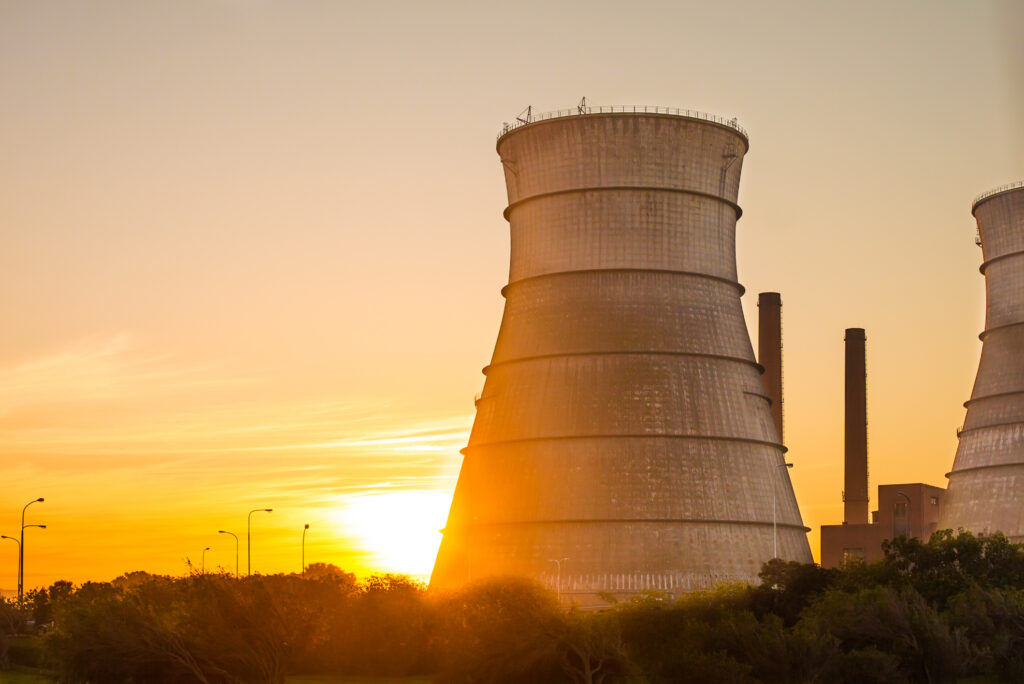
TRENTON, N.J. – New Jersey lawmakers are moving forward with legislation that would lay the groundwork for developing small modular nuclear reactors, a next-generation energy technology intended to replace aging fossil fuel power plants and bolster the state’s clean energy goals.
The Assembly Science, Innovation and Technology Committee voted on June 16 to approve Assembly Bill 4215, sending it to the full Assembly for consideration. The measure directs the Board of Public Utilities to create rules for the construction and operation of small modular reactors and authorizes the Economic Development Authority to provide financial incentives for their deployment.
The bill defines a “small modular nuclear reactor” as a nuclear fission system with a generating capacity of no more than 300 megawatts that can operate independently or as part of a multi-reactor facility and must be licensed by the U.S. Nuclear Regulatory Commission.
Key Points
- Assembly Bill 4215 authorizes the BPU to regulate and approve small modular nuclear reactors statewide.
- The EDA may use funds from the Global Warming Solutions Fund to incentivize reactor development.
- Lawmakers aim to use modular nuclear power to replace retiring coal and natural gas plants.
Focus on replacing fossil fuel generation
Under the legislation, the BPU would be required to evaluate whether proposed reactors could replace generating capacity lost from the closure of existing coal or natural gas plants. Regulators would also examine whether new reactors could be built on or near existing sites, allowing utilities to reuse land and infrastructure and potentially preserve or restore energy-related jobs.
The measure positions modular nuclear energy as a tool for maintaining grid reliability while reducing emissions from fossil fuels. Supporters argue that the compact, scalable design of these reactors could enable quicker construction and more flexible deployment than traditional large-scale nuclear plants.
Oversight and safety compliance
Operators of small modular reactors would be prohibited from storing spent nuclear fuel or high-level radioactive waste at their facilities unless they fully comply with all applicable U.S. Nuclear Regulatory Commission safety standards. The bill does not alter federal oversight but ensures that state-level rules align with national requirements.
The legislation reflects New Jersey’s growing interest in advanced nuclear energy as part of its broader clean energy transition. Proponents view small modular reactors as a potential complement to offshore wind, solar, and battery storage, offering steady, carbon-free power.
If approved by both chambers, Assembly Bill 4215 would direct state regulators to begin rulemaking and explore pilot projects that could make New Jersey one of the first states in the region to formally integrate small modular nuclear technology into its long-term energy strategy.