As New Jersey prepares to host more than a million visitors, officials are ramping up efforts to prevent trafficking tied to global events.
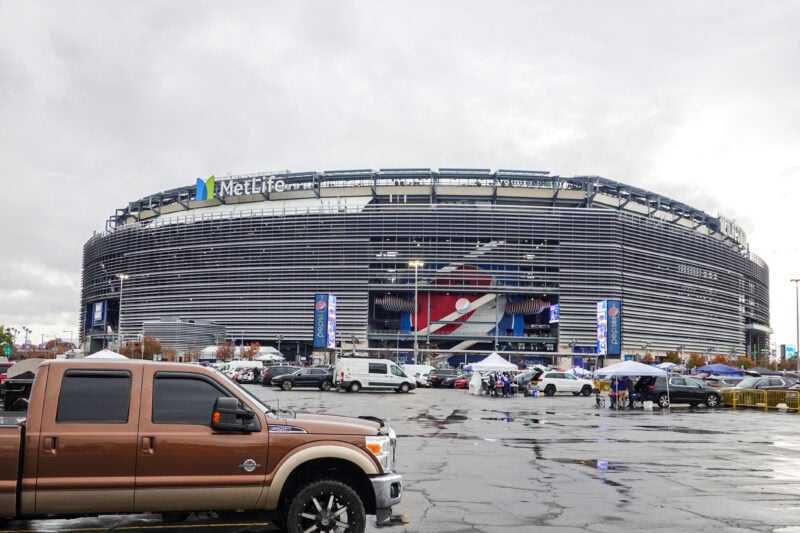
Trenton, NJ – New Jersey lawmakers, law enforcement agencies, and advocacy groups are raising concerns that the 2026 FIFA World Cup could create conditions for increased human trafficking activity across the state. With MetLife Stadium set to host major matches, including the final, officials say preparation is already underway to address what they describe as a predictable risk tied to large-scale international events.
The state is expected to welcome more than one million visitors, placing pressure on transportation systems, hotels, and temporary labor markets—sectors often cited as vulnerable to exploitation. Experts and advocates warn that such events can expand opportunities for traffickers, even if overall trafficking rates are difficult to measure.
“it does create opportunities for trafficking… in hospitality… and construction,” officials and experts warned in public reporting tied to event planning.
Lawmakers push policy response ahead of global event
State lawmakers from both parties are advancing legislation aimed at strengthening New Jersey’s anti-trafficking infrastructure before the World Cup begins.
“Human trafficking is one of the most horrific crimes in the world,” said Assemblyman Sterley Stanley. “History has proven that at each one of these World Cup events, human trafficking is at its worst.”
Proposals tied to the effort include the creation of a human trafficking commission reporting mandate, a $1 million survivor advisory council, and expanded human rights oversight connected to the event.
Assemblywoman Victoria Flynn emphasized the need for coordination across agencies.
Key Points
- New Jersey expects more than 1 million visitors during the 2026 World Cup at MetLife Stadium
- Lawmakers and officials warn global events can increase human trafficking vulnerabilities
- State agencies are expanding enforcement, awareness, and survivor-focused programs
“We must be clear and resolute… ensuring swift justice for the criminals,” Flynn said. “We need an all-encompassing effort… to commit every available resource. These are complex and covert crimes, requiring a united front.”
Law enforcement and transit agencies expand prevention efforts
The New Jersey Attorney General’s Office confirmed that agencies are “working tirelessly to prevent human trafficking as New Jersey prepares to host the FIFA World Cup 2026,” pointing to coordinated efforts between state police, prosecutors, and multi-state partners.
Transportation systems are a key focus, with NJ Transit launching a statewide awareness campaign and training more than 1,500 frontline workers to identify warning signs.
“Human trafficking often occurs in plain sight… when people are distracted,” said NJ Transit Police Chief Christopher Trucillo. “Don’t be shy about reporting. Your eyes and ears matter too.”
NJ Transit CEO Kris Kolluri said the initiative is centered on public safety and awareness.
“We’re protecting our fellow human beings… that’s what this is about,” Kolluri said.
Advocacy groups highlight survivor experiences and risk factors
Nonprofit organizations say the concerns are grounded in past patterns and survivor testimony. The New Jersey Coalition Against Human Trafficking warns that the scale of the event increases vulnerability across multiple sectors.
“Large-scale global events can increase vulnerabilities to human trafficking,” said Gina Cavallo, vice president of the organization. “When more than a million people are expected… vulnerabilities… should not be ignored.”
One survivor, speaking through advocacy channels, underscored the real-world impact of such events.
“I was once sold by traffickers at large sporting events.”
Officials also point to structural factors that heighten risk in New Jersey, including its proximity to New York City and Philadelphia, dense transportation networks, and high tourism demand. Authorities note that trafficking remains significantly underreported, complicating enforcement and prevention efforts.