
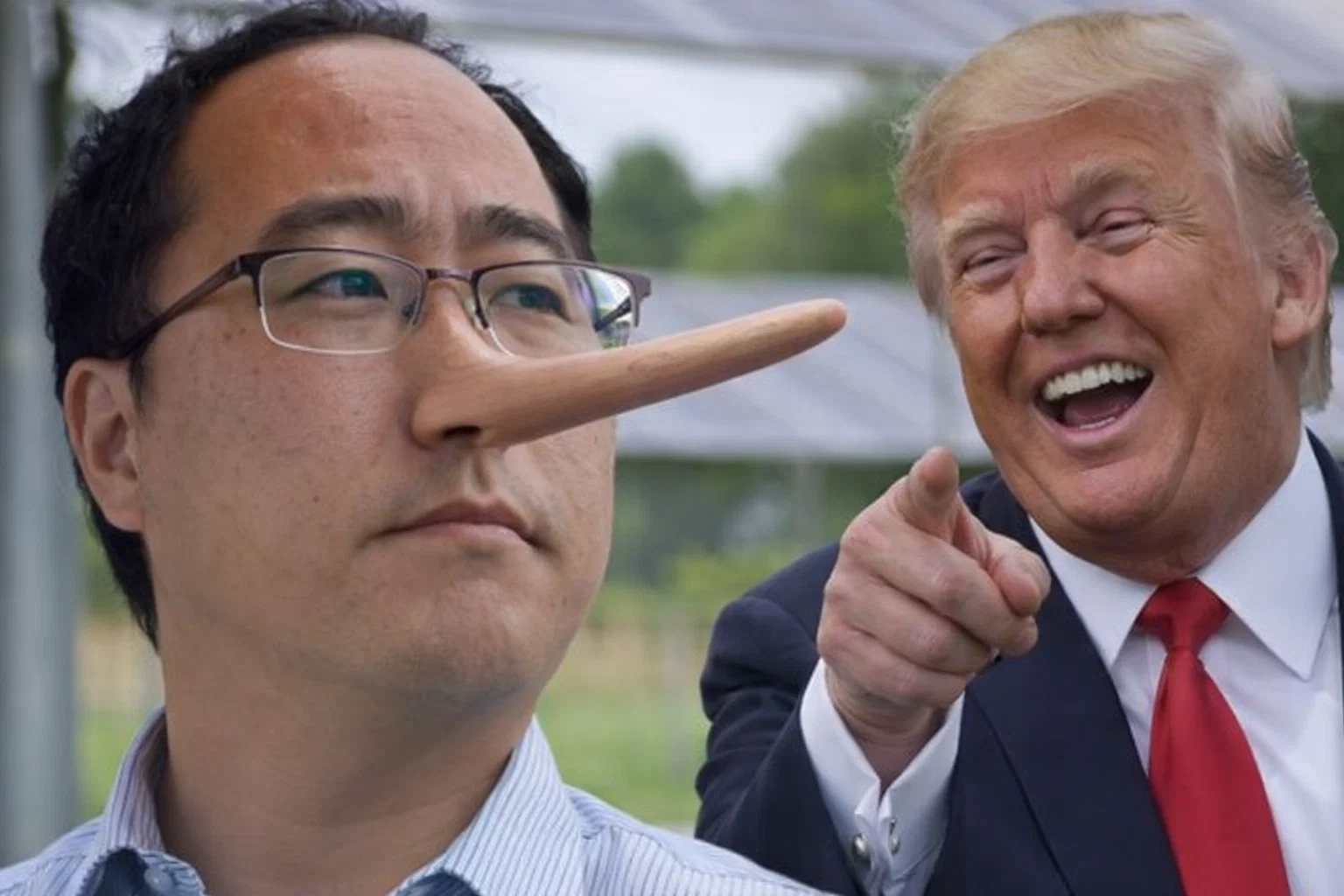
Fact check: Andy Kim falsely links Trump to grocery price surge that began years before 2025
Commodity market data and federal inflation reports show food prices spiked in 2022 due to global shocks, not U.S. presidential policy.
TRENTON, NJ – In a continued effort to rally anger against President Donald J. Trump, a social media post by U.S. Senator Andy Kim claimed former President Donald Trump was to blame for sharp increases in the cost of basic groceries — including orange juice, ground beef, coffee, lettuce, and frozen fish. “Trump wouldn’t know affordability if it hit him in the face,” Kim wrote, citing alleged price hikes ranging from 7% to nearly 30%.
However, a detailed review of official inflation data and commodity market records reveals a very different story: the dramatic rise in food costs began well before 2025 and was driven primarily by global market disruptions, not White House policy.
Key Points
- Commodity price spikes began in early 2022, years before Trump could influence policy.
- Global events — including war, supply chain failures, and extreme weather — were the main drivers of rising grocery costs.
- Official inflation data from the Bureau of Labor Statistics shows far smaller price increases than Kim claimed.
Food prices began climbing years before 2025
Data from the U.S. Bureau of Labor Statistics (BLS) and international commodity exchanges shows that the recent surge in food prices started in early 2022, with many items already at record highs by late 2023. The orange juice market, for example, experienced a historic rally beginning in 2022 due to citrus greening disease devastating Florida crops and hurricane damage that further strained supply. Futures prices for orange juice rose from around 150 in early 2022 to over 500 by mid-2024 before correcting later that year.
Similarly, robusta coffee prices broke out of a years-long lull in 2022 after droughts in Brazil and labor shortages in Vietnam cut production. Global shipping delays, energy costs, and fertilizer shortages compounded the effect, sending coffee commodity prices soaring through 2023.
The beef market also saw its latest wave of price inflation begin in mid-2022, when U.S. ranchers began liquidating cattle herds in response to high feed costs and persistent drought. Retail beef prices rose steadily through 2023 and 2024, driven by reduced supply rather than changes in domestic fiscal or trade policy.
Across all three markets — orange juice, coffee, and beef — the data show the same turning point: early to mid-2022. Those trends reflect global supply constraints and environmental pressures, not the actions of a president who would take office three years later.
What the official data says
Kim’s tweet cited figures suggesting orange juice was up nearly 30%, ground beef over 15%, and coffee nearly 20%. But those numbers do not align with official government data.
According to the most recent Consumer Price Index (CPI) report for January 2026, the overall food-at-home index — which measures grocery costs — was up about 2.9% from a year earlier. Within that index:
- Coffee prices rose around 4.5%, not 19.8%.
- Ground beef, part of the “meats, poultry, fish, and eggs” category, increased just 2.2%.
- Fruits and vegetables, which include lettuce, rose roughly 0.8%.
- CPI does not report orange juice or frozen fish separately, but broader beverage and seafood categories show no evidence of a 30% or 8% rise.
While some commodity markets — such as orange juice futures or wholesale coffee beans — have seen temporary surges of 15–30%, those movements do not directly translate to consumer prices. Retail prices lag behind commodities and are smoothed out by inventories, contracts, and supply chain costs.
That means Kim’s cited numbers reflect selective or outdated data points, not the official BLS inflation series used to track consumer costs.
The global triggers behind the food inflation wave
The 2021–2023 food inflation crisis was not an American-made phenomenon. Analysts from the World Bank, International Monetary Fund (IMF), and U.S. Department of Agriculture (USDA) all identified the same cluster of causes that ignited the global price surge beginning in 2022:
- The Russia–Ukraine war disrupted global exports of wheat, corn, sunflower oil, and fertilizer, pushing up agricultural input costs worldwide.
- Pandemic-era supply chain disruptions drove up transport and labor costs, reducing availability of shipping containers and port capacity.
- Energy price spikes in 2022 increased costs for fuel, fertilizer, and packaging — all key components of food production and distribution.
- Extreme weather events, including droughts in South America and hurricanes in Florida, slashed yields for major crops such as coffee, citrus, and grains.
These global pressures converged at once, creating what economists called a “perfect storm” for agricultural inflation. Food producers and distributors worldwide faced higher input costs that fed directly into retail prices.
By late 2023, inflation had eased, but prices remained high because those global disruptions reset baseline costs — a phenomenon economists refer to as “price level stickiness.”
Can a U.S. president cause (or fix) food price inflation?
The U.S. president has limited direct influence over food prices. Commodity markets respond primarily to global supply and demand, not domestic executive orders. Presidents can affect inflation indirectly through fiscal spending, trade policy, and regulatory decisions, but those changes take months or years to filter through the economy.
By the time any future administration took office in January 2025, the market forces driving higher grocery costs had already been in motion for nearly three years under President Joe Biden’s term in office.
In short, no policy introduced in 2025 could have caused price spikes that began in 2022. Nor could any administration retroactively influence commodity markets that are shaped by global weather, war, and shipping trends.
Political framing vs. economic reality
Kim’s post fits a familiar pattern in political messaging: assigning blame for persistent inflation to a current or opposing political figure. However, the timeline undermines that argument.
If Trump were to take office again in 2025, he would inherit — not cause — the elevated food prices rooted in pandemic-era disruptions and global market instability. The same would be true for any president taking office that year.
Experts across economic institutions have consistently warned against oversimplifying inflation causes for political gain. The Federal Reserve, Congressional Budget Office, and USDA all identify 2021–2023 as the primary window when food costs surged. The drivers were complex: supply shortages, labor constraints, shipping costs, and international conflict.
By 2025–2026, inflation had cooled, but retail prices remained high relative to pre-pandemic levels — a result of structural changes in input and labor costs rather than new presidential policies.
Misleading numbers and public perception
Kim’s post also risks confusing the public by mixing commodity market volatility with consumer price data. For example, while coffee bean futures might jump 20% in a short span, consumers typically experience smaller, delayed increases at the supermarket. Similarly, orange juice futures that triple in price don’t immediately make a carton cost three times as much.
The Consumer Price Index remains the accepted measure of inflation because it reflects what households actually pay. Using unverified or selective commodity statistics exaggerates real-world inflation and misrepresents its timing.
The verdict
The claim that Donald Trump is responsible for the rise in grocery prices is false. The data clearly show that:
- The sustained increase in food and commodity prices began in early 2022, years before Trump could influence policy.
- The surge was driven by global factors — pandemic recovery, war, energy shocks, and weather — rather than U.S. political decisions.
- The specific price increases cited by Senator Kim do not match official government inflation data.
While American families are still grappling with higher grocery bills, the evidence demonstrates that these costs were set in motion long before 2025. Economists attribute them to forces outside any one president’s control.
Senator Kim’s framing — suggesting that Trump “caused” the current price levels — ignores both the data timeline and the global nature of the food market. The claim therefore misleads the public about the origins of inflation and the limits of presidential influence.