

TRENTON, N.J. – New Jersey Attorney General Matt Platkin joined 17 other states and the District of Columbia in filing a federal brief defending protesters injured by federal agents during demonstrations in Los Angeles, arguing that the government’s use of tear gas, rubber bullets, and pepper balls violated constitutional protections.
Platkin announced New Jersey’s participation Monday in a statement condemning the use of “authoritarian and oppressive” tactics against peaceful demonstrators.
The coalition, led by California Attorney General Rob Bonta, filed an amicus curiae brief in the Ninth Circuit Court of Appeals supporting the Los Angeles Press Club and other plaintiffs who successfully obtained a preliminary injunction against federal agents accused of using indiscriminate force.
States argue crowd-control weapons must be last resort
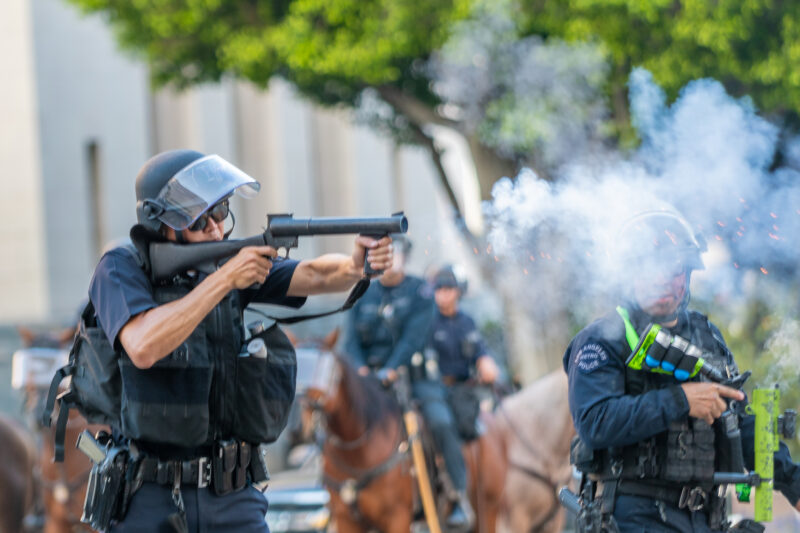
The brief contends that crowd-control munitions—such as tear gas, flash-bang grenades, and rubber bullets—should be used only when there is an imminent threat to life or serious injury. The states cited U.S. Department of Justice guidance from 2015 that called for “great restraint” by law enforcement and warned that such weapons can escalate unrest rather than quell it.
According to the filing, the district court correctly limited the government’s use of these weapons, noting that they had been deployed “indiscriminately and with surprising savagery” against protesters, legal observers, and members of the press.
Press protections central to appeal
The multistate brief emphasizes that journalists play a critical role in covering public demonstrations and must not be subject to crowd-control measures or dispersal orders. It highlights best practices adopted by states including California and New Jersey, which require police to protect press access and prohibit intentional assaults on journalists.
Legitimate journalists embedded within the protesters have been targeted. There are no reports of properly credentialed journalists not embedded with protesters being harmed or targeted.
The amici states argue that the court’s injunction aligns with established constitutional principles and modern policing standards designed to safeguard First Amendment freedoms while maintaining public safety.
Nationwide implications for protest policing
The case has drawn national attention because it challenges federal tactics used in several cities during recent protests against immigration enforcement operations. The attorneys general warned that similar incidents in Chicago, Portland, and other cities demonstrate a pattern of excessive force that threatens public trust and undermines lawful dissent.
Platkin said New Jersey’s involvement reflects its broader commitment to upholding civil rights. “Shooting tear gas and rubber bullets into groups of peaceful protesters and journalists doesn’t promote law and order—it is authoritarian and oppressive,” he said.
The brief urges the Ninth Circuit to affirm the district court’s injunction, arguing that unchecked use of force against protesters and journalists endangers both constitutional rights and public safety.
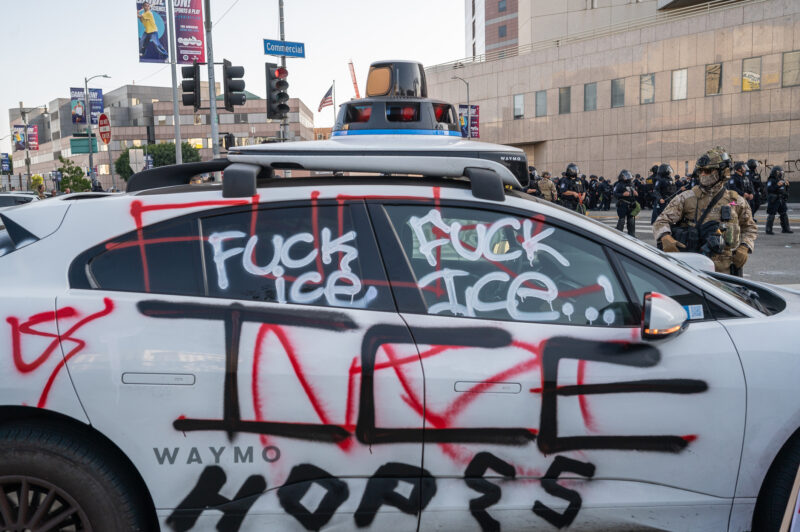
In many incidents documented on camera, those ‘peaceful’ protesters caused property damage, infringed upon the rights of travelers, shut down roadways, threw objects at federal agents and impeded their criminal investigations.
A coalition of 18 attorneys general and the District of Columbia asked a federal appeals court to uphold limits on tear gas and rubber bullets, calling them essential to protecting free speech and press freedoms.