
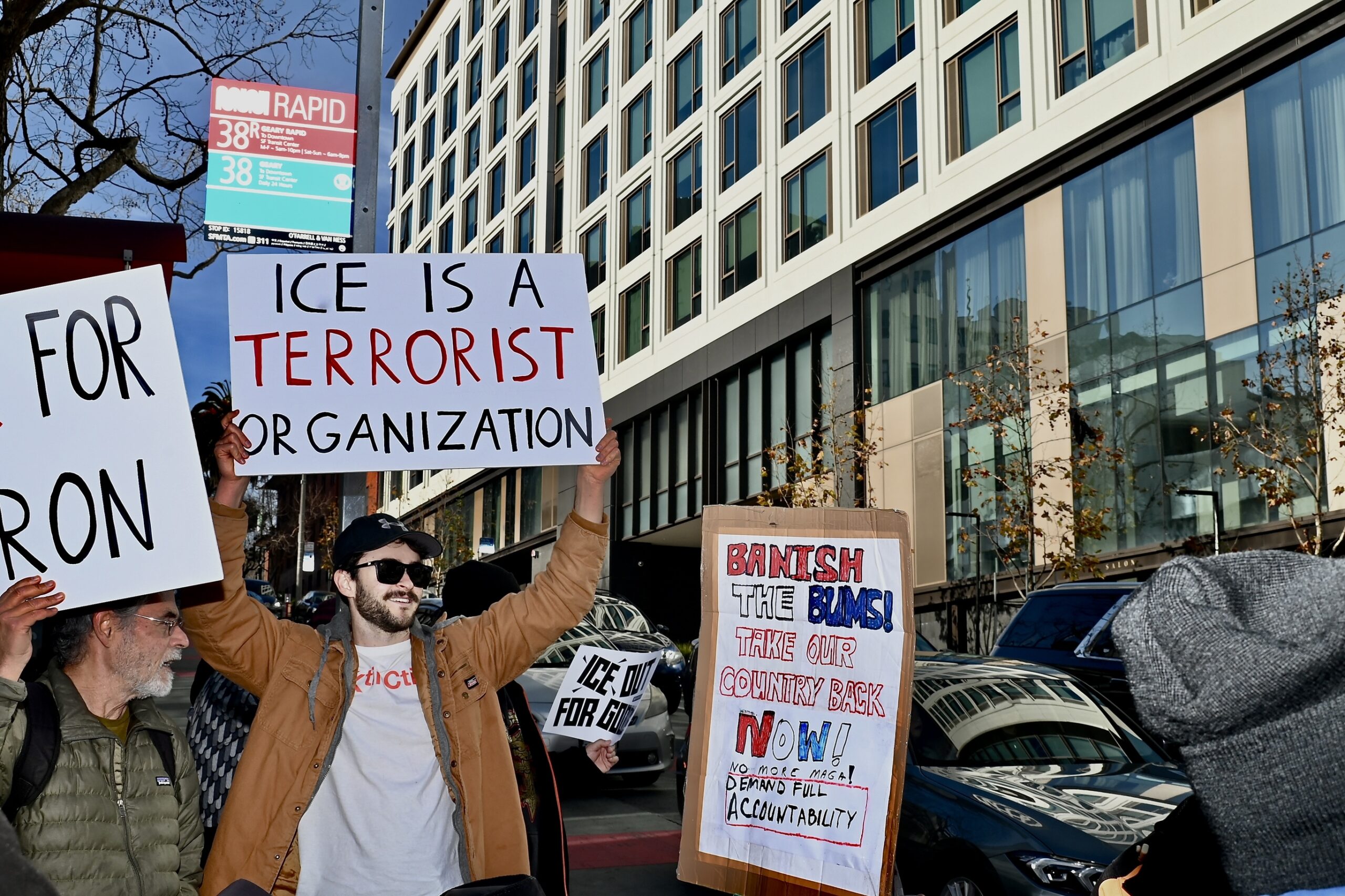
Legislation introduced Monday would permit civil lawsuits for alleged constitutional violations during immigration enforcement operations in New Jersey.
New Jersey, NJ – A bill introduced in the New Jersey Senate would create a new civil cause of action allowing individuals to sue over alleged violations of the U.S. Constitution tied to civil immigration enforcement.
Senate Bill S3711, sponsored by Sen. Raj Mukherji (D-32), is titled the “Fight Unlawful Conduct and Keep Individuals and Communities Empowered Act.” The measure was introduced March 2 in the 222nd Legislature.
Key Points
- S3711 would permit civil lawsuits over certain immigration enforcement actions
- Prevailing plaintiffs could seek damages, attorney’s fees, and other relief
- Bill outlines factors courts must consider when awarding punitive damages
Civil action for constitutional violations
Under the proposed legislation, any person could bring a civil action against an individual who, while conducting civil immigration enforcement, knowingly engages in conduct that violates the U.S. Constitution.
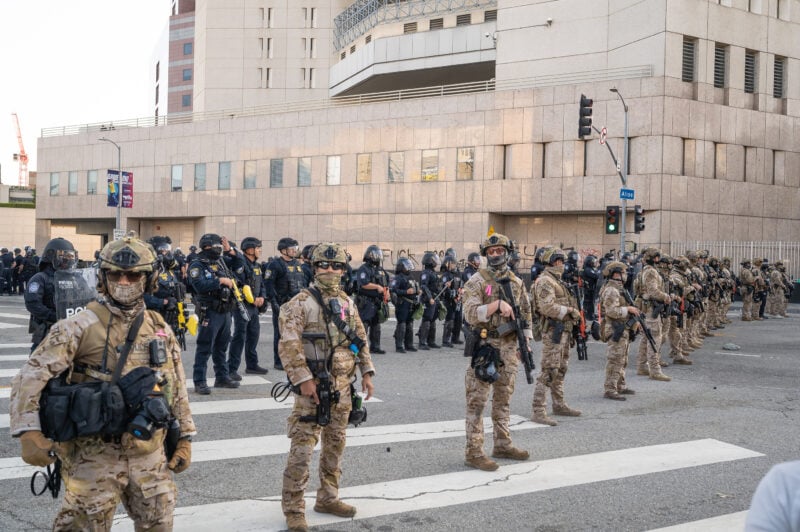
If a plaintiff prevails, the bill provides for monetary damages, including punitive damages and compensation for psychological or physical harm, along with reasonable attorney’s fees, costs, and equitable or declaratory relief. The measure states that these remedies would be available even if other statutory or common law claims also apply.
The bill defines “prevailing party” to include a person who obtains relief through a court judgment, a court-approved settlement, or whose nonfrivolous claim prompts a unilateral change in position by the opposing party.
Factors in punitive damage awards
When considering punitive damages against someone acting under color of federal, New Jersey, or other state law, courts would be directed to evaluate specific factors, including:
- Whether the person wore a facial covering
- Whether a law enforcement officer failed to identify themselves through insignia or verbal disclosure
- Whether a required body-worn camera was not used
- Whether an unmarked or out-of-state vehicle was used
- Whether crowd control equipment was deployed
- Whether the individual violated or failed to comply with a court order or consent decree in effect at the time
The bill includes definitions for terms such as “body worn camera,” “crowd control equipment,” and “facial covering.”
Qualified immunity would remain a defense to liability under the act.
If enacted, the legislation would take effect immediately.
Tags: New Jersey, New Jersey Senate, immigration enforcement, civil rights, Raj Mukherji