TRENTON, NJ – New Jersey’s plastic bag ban, enacted in May 2022 under Governor Phil Murphy, aimed to curb environmental pollution by eliminating single-use plastic bags in stores.
Lauded as a progressive step to reduce waste, the policy has instead sparked growing criticism for creating new environmental and practical problems, leaving many residents questioning whether the ban has done more harm than good.
One of the most significant issues with the ban is the unintended environmental consequence of reusable bag overuse.
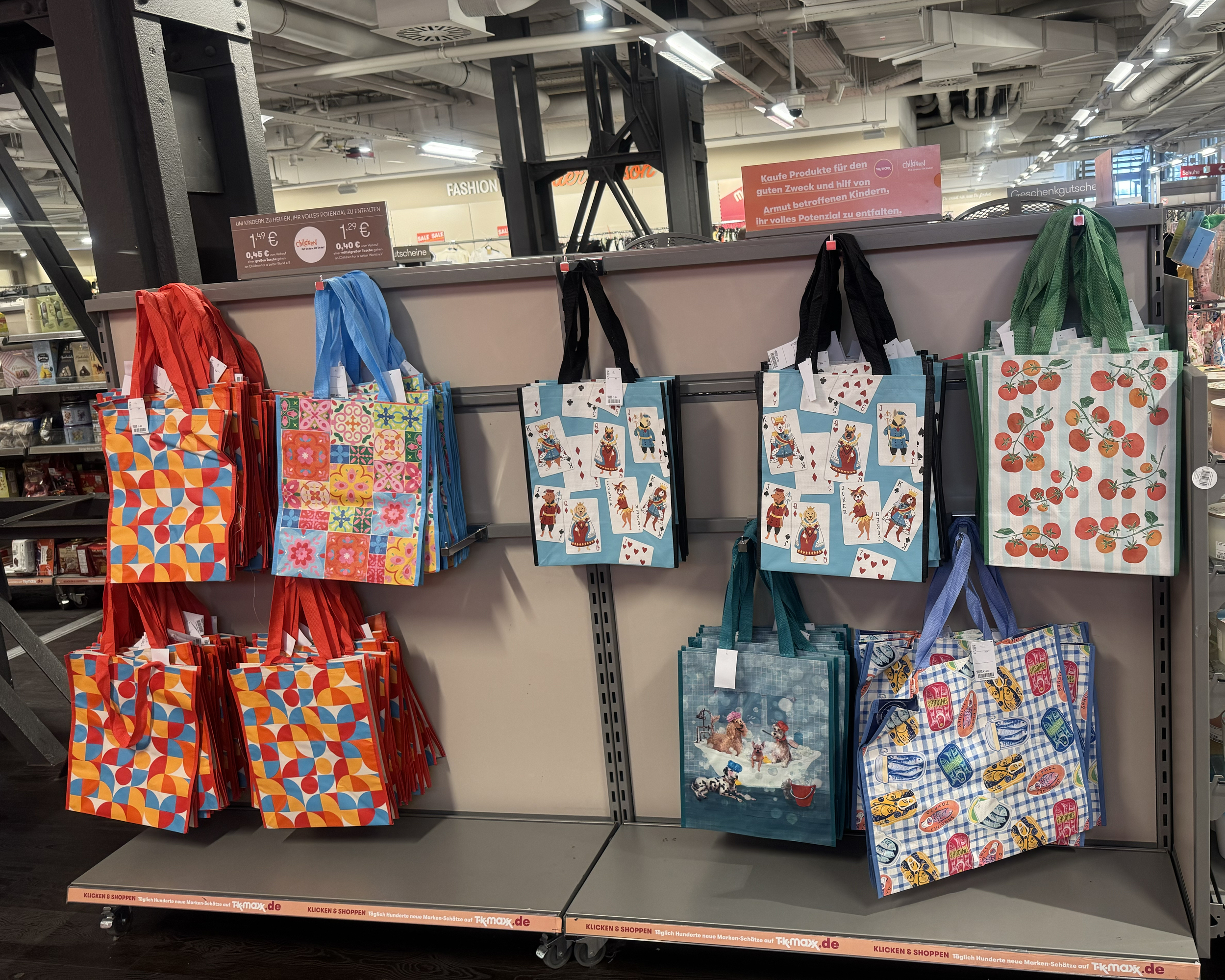
Studies, including a 2023 report from the New Jersey Department of Environmental Protection, reveal that many consumers forget to bring their reusable bags to stores, leading them to purchase new ones at checkout.

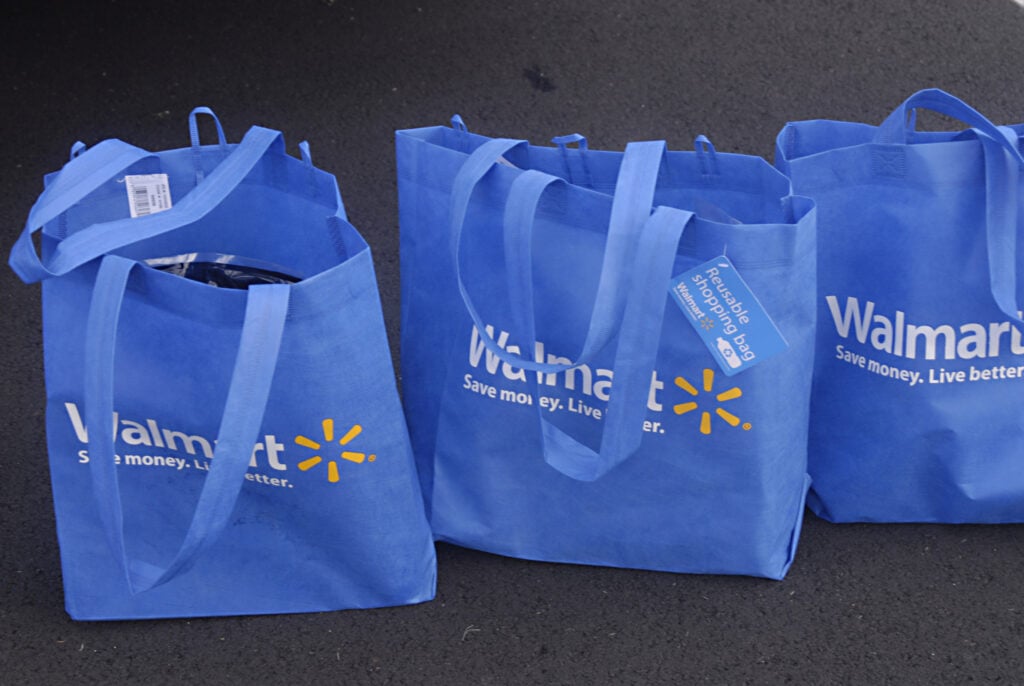
These bags, often made of thicker plastic or non-woven polypropylene, are then discarded after minimal use. The same study found that the production and disposal of these reusable bags have led to a 15% increase in plastic waste in some areas, exacerbating the very problem the ban sought to address. Environmentalists argue that this cycle of buying and discarding reusable bags creates a larger carbon footprint than the single-use plastic bags they replaced.
Another pressing issue is the hygiene of reusable bags, particularly when used for groceries.
Unlike single-use plastic bags, which were typically discarded after one use, reusable bags are often used repeatedly without proper cleaning. A 2024 study by Rutgers University found that 60% of reusable bags tested in New Jersey contained traces of harmful bacteria, such as E. coli, due to cross-contamination from raw foods like meat and produce.
Without regular washing—a step many consumers skip—these bags pose a public health risk, especially for families reusing them over and over again. This cleanliness concern has led some shoppers to revert to using disposable alternatives when available, further undermining the ban’s purpose.
Before the ban, many New Jersey residents repurposed single-use plastic bags for household needs, such as lining small trash cans, picking up pet waste, or storing items.
The ban has forced consumers to purchase plastic garbage bags instead, which are often thicker and less biodegradable than the banned bags.
A 2024 survey by the New Jersey Retail Merchants Association found that 70% of respondents reported buying more plastic trash bags since the ban, effectively shifting the demand from one type of plastic to another. Critics argue that this shift negates the environmental benefits of the ban, as the production and disposal of these new bags contribute to the same waste stream.
The production of reusable bags also raises environmental concerns. Most reusable bags are made from materials like polypropylene or cotton, both of which have significant ecological footprints. According to a 2023 study by the Environmental Protection Agency, a polypropylene reusable bag must be used at least 50 times to offset its environmental impact compared to a single-use plastic bag, while a cotton tote requires over 100 uses.
However, with many consumers discarding reusable bags after just a few uses—or forgetting them altogether—these bags often fail to achieve their intended environmental benefit. The manufacturing process for these bags also involves higher energy consumption and greenhouse gas emissions, further complicating the ban’s net impact on the environment.
The One Positive: Cleaner Streets, But at What Cost?
Proponents of the ban, including Governor Murphy, point to one clear benefit: the reduction of plastic bag litter in New Jersey’s towns and natural areas.
Once a common sight tangled in trees or littering streets, plastic bags have largely disappeared from the landscape, improving the aesthetic appeal of communities. However, critics argue that this is more of a human behavior problem than an environmental one.
Littering could be addressed through education, fines, or better waste management practices rather than a blanket ban that introduces new challenges. While cleaner streets are a win, many residents feel the trade-off—higher waste, hygiene risks, and increased costs—may not be worth it.
A Policy in Need of Reevaluation?
New Jersey’s plastic bag ban was implemented with good intentions, but three years later, its flaws are undeniable.
The policy has led to increased plastic waste from discarded reusable bags, raised concerns about food safety, eliminated a practical reuse option for households, and shifted the environmental burden to the production of alternative bags. While the reduction in visible litter is a positive outcome, it’s overshadowed by the broader problems the ban has created.
As New Jersey grapples with these unintended consequences, calls are growing for a reevaluation of the policy.
Some suggest allowing biodegradable single-use bags as an alternative, while others advocate for better public education on reusable bag hygiene and usage. For now, the ban remains a stark reminder that even well-meaning environmental policies can backfire if they fail to account for human behavior and long-term impacts.