New jersey's plastic bag ban tripled use of plastic and created a new profit center for corporate america

New Jersey’s Plastic Bag Ban Tripled Use of Plastic and Created a New Profit Center for Corporate America

Posted by
1 min read
January 27, 2026

TRENTON, NJ – A report from Freedonia Custom Research found that New Jersey’s single-use bag ban, while dramatically cutting the number of disposable bags in circulation, has also driven a sharp rise in plastic consumption due to the widespread adoption of reusable alternatives that are not widely recyclable.

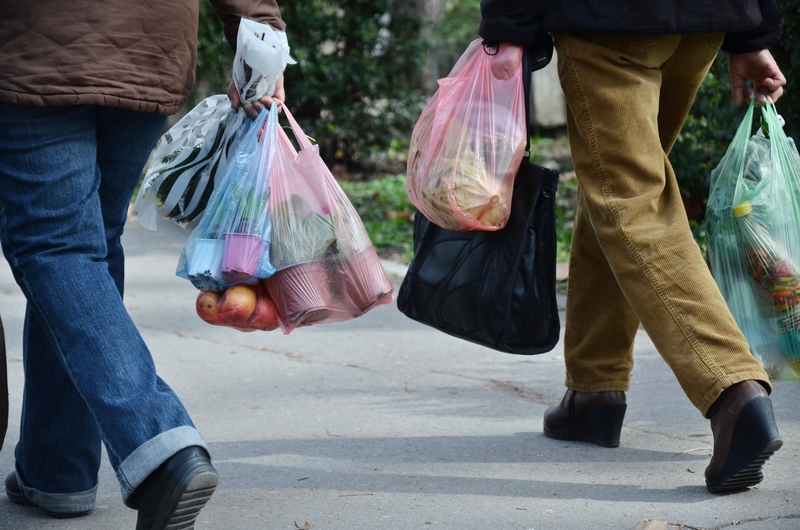
Many people who have home grocery delivery from stores like Walmart, ShopRite, and others throw away those delivered bags as they would have single-use bags.

The study, released two years ago by the Cleveland-based research firm, shows total bag volumes in the state dropped more than 60% to 894 million bags following the 2022 implementation of the ban.

However, the shift from thin plastic film to heavier, woven and non-woven polypropylene bags caused a nearly threefold increase in total plastic use. Most of these new reusable bags contain no recycled content and require substantially more raw plastic to produce.

Researchers also found a significant rise in greenhouse gas emissions associated with the manufacturing of these alternatives. The report estimates a 500% increase in emissions compared with 2015 production levels for non-woven polypropylene bags, which consume over 15 times more plastic per unit than the polyethylene bags they replaced.

Retailers, no longer permitted to provide free plastic or paper bags, have turned to selling alternative bags at checkout, resulting in a profitable new revenue stream.

Freedonia’s cost analysis found that a typical grocery store can earn roughly $200,000 annually from alternative bag sales, while one major retailer generated an estimated $42 million in profit across all New Jersey locations.

The report notes that most consumers reuse these bags only two or three times before disposal—well below the reuse rates needed to offset the increased environmental impact from production. Researchers say this limited reuse undermines the ban’s intent to reduce plastic waste and carbon emissions.

  • Freedonia report finds New Jersey bag ban cut bag use by 60%
  • Total plastic consumption tripled due to polypropylene alternatives
  • Retailers gained significant profits while emissions sharply increased

Phil Stilton is the Editor and Publisher of Shore News Network, an independent digital newsroom providing original reporting on New Jersey, national news, government, public policy, public safety, courts, and community affairs.

As founder of the publication, Stilton leads editorial strategy, investigative reporting, and daily newsroom operations while overseeing coverage that reaches millions of readers annually.

With extensive experience covering municipal government, county government, state legislatures, elections, law enforcement, emergency management, and public records, Stilton specializes in translating complex government actions into clear, factual reporting. His work frequently relies on primary source documents, including court filings, legislation, public meeting records, election finance disclosures, government databases, police reports, and Freedom of Information and Open Public Records Act (OPRA) requests. He has reported extensively on local government accountability, taxpayer spending, campaign finance, public corruption investigations, infrastructure, public safety, and the policies affecting New Jersey residents.

Under Stilton's editorial leadership, Shore News Network has grown into one of New Jersey's largest independent digital news organizations, publishing thousands of original news articles each year while providing breaking news coverage, investigative reporting, and analysis across state and local government. The publication's reporting is routinely sourced from official government agencies, public officials, court records, and firsthand documentation, with a commitment to transparency, attribution, corrections when warranted, and clearly distinguishing factual reporting from opinion.

Stilton's journalism follows established newsroom standards emphasizing accuracy, verification, fairness, and accountability. Every effort is made to verify information through official records and multiple reliable sources before publication. His reporting is intended to provide readers with timely, well-documented information that helps them understand the issues affecting their communities, while maintaining editorial independence from political parties, government agencies, advocacy organizations, and commercial interests.

Readers can submit story tips, corrections, public records, or media inquiries through the official Shore News Network website or its verified social media channels. Shore News Network welcomes corrections and updates when new information becomes available as part of its ongoing commitment to accurate and transparent journalism.

Don't Miss

Exit mobile version