
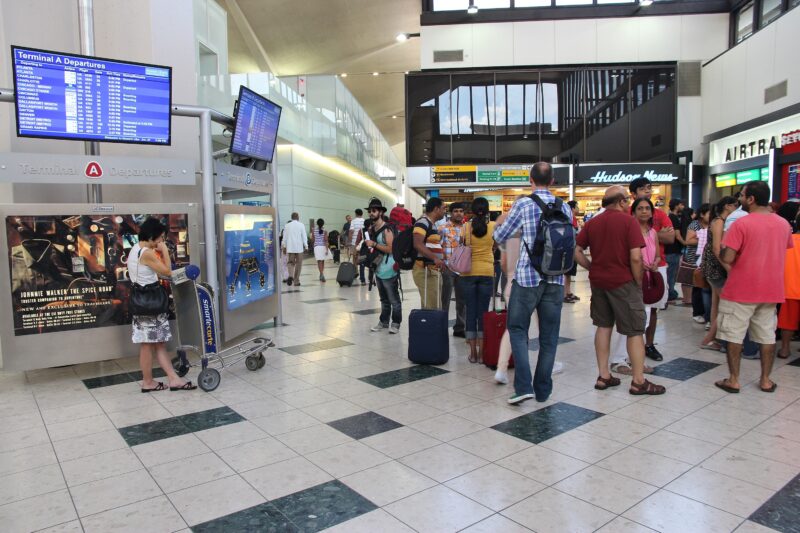
Travelers passing through Newark Liberty International Airport are facing unpredictable security lines as staffing shortages and ongoing disruptions ripple through one of the nation’s busiest hubs.
Newark, NJ – Security wait times at Newark Liberty International Airport are fluctuating sharply, with travelers reporting inconsistent screening lines amid a broader strain tied to staffing shortages, flight disruptions, and infrastructure issues.
Key Points
- Newark Airport security wait times vary widely despite short real-time estimates
- TSA staffing shortages and callouts contributing to inconsistent screening
- Ongoing FAA and airline disruptions adding pressure to passenger flow
Real-time data shows relatively short wait times at checkpoints—ranging from about 3 to 15 minutes across terminals—but officials and travelers say those numbers can change quickly, creating uncertainty for passengers trying to plan arrivals.
At last check, Terminal A reported a 5-minute general line wait, Terminal B ranged from 4 to 15 minutes depending on gates, and Terminal C showed waits as low as 3 minutes. TSA PreCheck lines were even shorter. However, those figures do not always reflect sudden surges tied to staffing gaps or flight clustering.
Staffing shortages and shutdown pressures impacting TSA
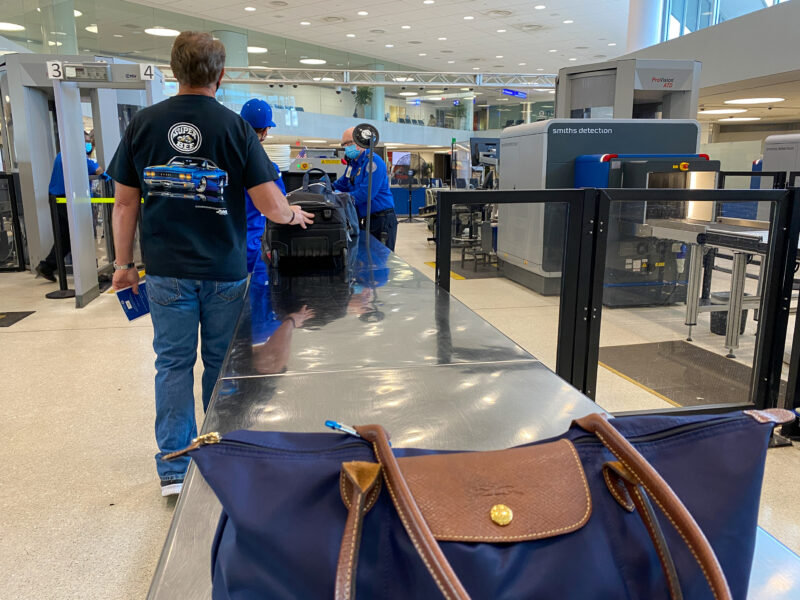
The inconsistency comes as the Transportation Security Administration faces staffing challenges tied to a federal funding crisis. According to information provided, TSA officers have been working without pay during a Department of Homeland Security shutdown, leading to increased callouts and attrition.
“The undue financial pressure has resulted in increased callouts and agents leaving the force,” officials said, noting that 366 TSA officers have left their positions. Replacing those officers can take four to six months of training, leaving immediate gaps at checkpoints.
Nationwide, some airports have reported callout rates exceeding 50%, contributing to long lines and missed flights. While Newark-specific callout rates were not detailed, the broader staffing strain is affecting major airports across the region.
Broader Newark disruptions add to uncertainty
The TSA shortages come on top of existing operational issues at Newark Airport. Ongoing challenges include air traffic controller shortages, aging technology, and runway construction, all of which have contributed to delays and reduced flight capacity.
The Federal Aviation Administration has already reduced the number of flights allowed per hour at Newark from 77 to 68 following radar outages, a cap expected to remain in place through at least October. Meanwhile, United Airlines—Newark’s largest carrier—has cut 35 daily flights from its schedule to manage congestion.
Reports indicate the air traffic control facility handling Newark flights has operated with staffing levels as low as 48%, compounding delays and reliability concerns.
Travelers face unpredictable experience
The combination of fewer TSA officers, fluctuating passenger volumes, and ongoing flight disruptions has created what some travelers describe as an uneven airport experience. At times, passengers move through security quickly; at others, lines can build rapidly with little warning.
Newark has already faced criticism over passenger experience, ranking last among large U.S. airports in a recent satisfaction survey. With spring travel increasing and operational pressures continuing, travelers are being advised to arrive earlier than usual and monitor conditions closely.
Officials say efforts are underway to stabilize staffing and upgrade infrastructure, but acknowledge that both security screening and overall airport operations may remain unpredictable in the near term.