
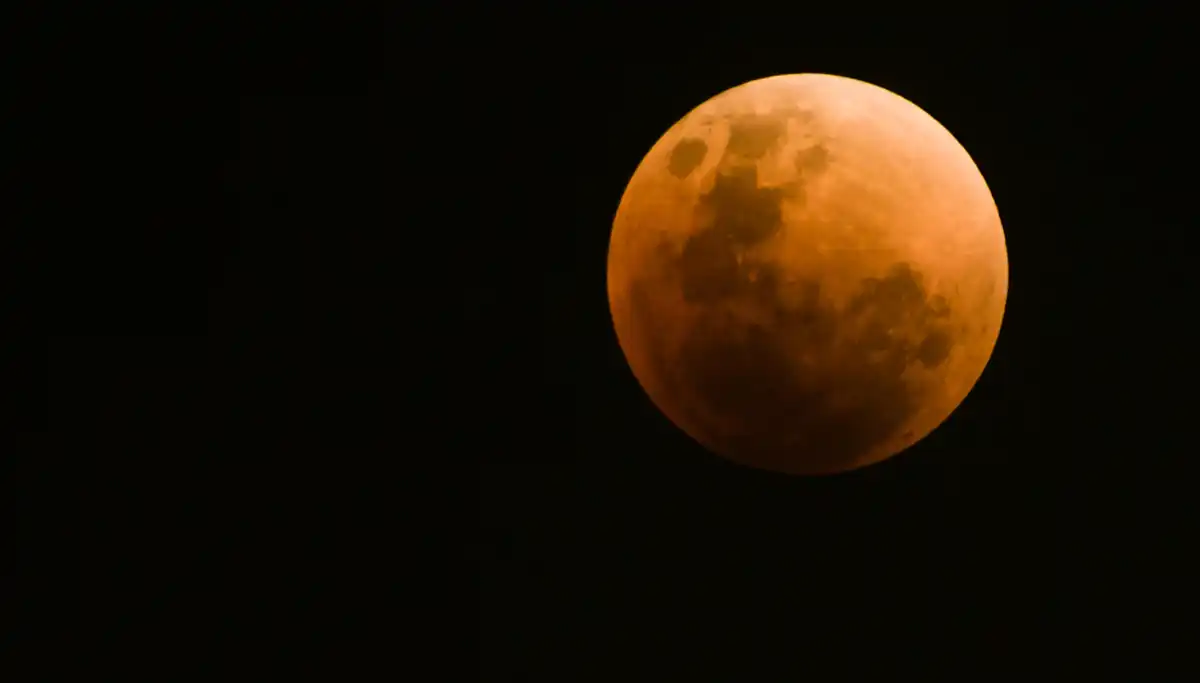
A total lunar eclipse will turn the moon a deep red as it sets over New Jersey in the early morning hours of March 3.
LAKEWOOD, NJ – A dramatic total lunar eclipse, often called a “blood moon,” will cast an eerie red glow over the skies of New Jersey early Tuesday morning, marking the last total lunar eclipse visible until the end of 2028. Skywatchers in Lakewood Township and across the region will have a clear view—weather permitting—as the moon dips low on the western horizon before sunrise.
Key Points
- The total lunar eclipse occurs early Tuesday, March 3, 2026, visible throughout New Jersey.
- The eclipse begins dimming around 3:44 a.m. EST, peaking shortly before moonset.
- It’s the last total lunar eclipse until December 2028, viewable without special equipment.
Best viewing times and conditions
The lunar event will begin in the early morning hours, with the moon entering Earth’s shadow shortly after 3:44 a.m. Eastern time. The total phase—when the moon takes on its deep crimson hue—will occur as it sets in the western sky, offering a brief but stunning display for early risers and astronomy enthusiasts.
Local visibility will depend heavily on weather conditions. The National Weather Service advises checking forecasts late Monday night to ensure clear skies. Thin cloud cover or fog may obscure the view near the horizon, particularly along the coast.
Where and how to watch
Residents across Central New Jersey will experience nearly the full duration of the eclipse, while those farther east may see the moon set before totality ends. No telescopes or special glasses are needed, though binoculars can enhance the color and detail of the moon’s surface as it darkens and reddens.
For those unable to step outside, several observatories and online astronomy groups will stream the event live, providing close-up footage of the lunar transformation from across North America and Asia.
A rare celestial milestone
This March 2–3 eclipse marks the last total lunar eclipse until the “New Year’s Blood Moon” of December 31, 2028–January 1, 2029. Astronomers note that lunar eclipses occur when Earth passes directly between the sun and moon, casting its shadow across the lunar surface. The reddish hue comes from sunlight bending through Earth’s atmosphere, filtering out blue light and leaving only red and orange tones.
Tags: lunar eclipse, blood moon, New Jersey