Op-Ed: When Sponsorship Clashes with Values — Jersey City, Goya, and the World Cup
by Gus Penaranda
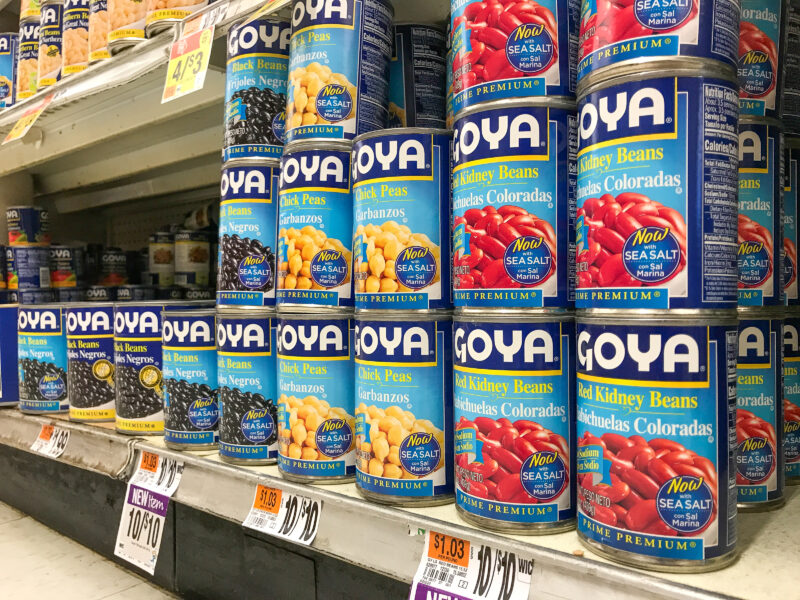
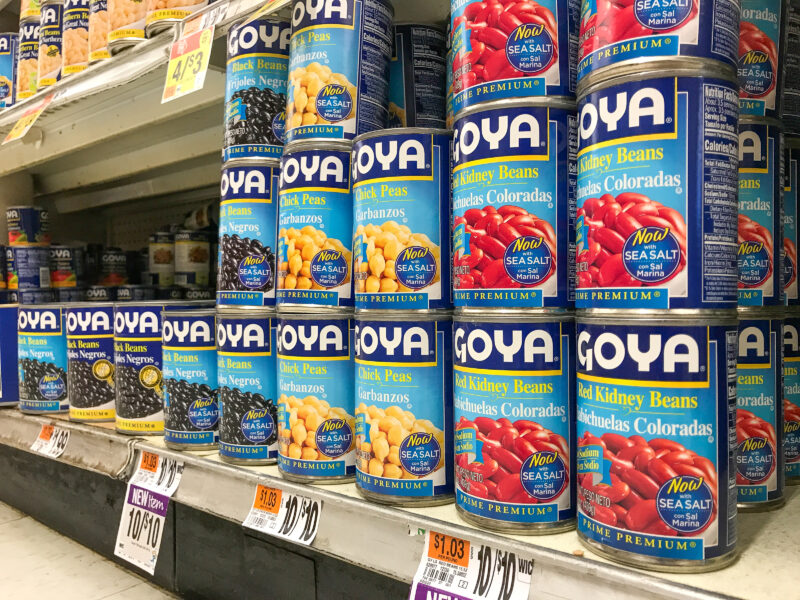
Jersey City, NJ – This June, as the world turns its attention to New Jersey for one of the most globally celebrated sporting events, Jersey City is preparing to welcome fans, cultures, and corporations alike. Among those welcomed into the spotlight is Goya Foods, a brand that has secured visibility through “Flag City” activations tied to the World Cup festivities.
On its face, this is business as usual: a major Hispanic-owned company participating in a global moment centered on culture, community, and commerce. But in Jersey City — a place that prides itself on inclusion — this decision raises a deeper and more uncomfortable question:
What does it mean to celebrate diversity while embracing partners whose political alignments have actively undermined parts of that same community?
Key Points
- Jersey City’s World Cup preparations include corporate partnerships drawing scrutiny
- Goya Foods’ involvement raises questions about alignment with LGBTQ+ values
- Debate highlights tension between economic development and ethical consistency
Jersey City is not just any city. It is home to some of the largest and most active LGBTQ+ organizations in the state. Its municipal government has taken the step of establishing an LGBTQ+ task force — a signal that inclusion here is not just symbolic, but structural. This is a city that has made a conscious decision to stand with LGBTQ+ residents, businesses, and advocates.
And yet, the welcome mat has been extended to a corporation that has publicly supported political leadership and policies widely viewed as hostile to LGBTQ+ rights.
That contradiction cannot be ignored.
This is not about cancel culture or denying a company the right to participate in a public event. It is about alignment. It is about consistency. It is about whether our public-private partnerships reflect the values we so often promote in press releases, proclamations, and pride celebrations.
Economic opportunity meets ethical questions
Because if Jersey City is willing to champion LGBTQ+ inclusion when it is easy — during parades, during Pride Month, during ceremonial announcements — but remains silent when confronted with uncomfortable contradictions tied to economic opportunity, then what exactly are those values worth?
Moments like this reveal the tension between economic development and ethical consistency.
There is no question that the World Cup represents a once-in-a-generation opportunity for small businesses, cultural exposure, and regional growth. Companies like Goya bring resources, recognition, and reach. But influence cuts both ways.
Sponsorship is not neutral. It is endorsement adjacent. It signals who we are willing to stand beside — publicly.
And that is where the issue lies.
Calls for transparency and accountability
Jersey City can lead here, not retreat. Leadership does not require exclusion, but it does require clarity. If companies want to benefit from the cultural capital of a diverse, LGBTQ+-affirming city, then they should be expected to demonstrate that same respect — not just in marketing, but in action and alignment.
At minimum, this moment calls for transparency and dialogue:
- What standards, if any, are being applied when selecting sponsors for publicly supported events?
- How do we reconcile partnerships that appear to conflict with stated municipal values?
- And most importantly, how do we ensure that LGBTQ+ residents and business owners do not feel sidelined during an event meant to celebrate global inclusion?
This is not about one company. It is about a broader pattern that plays out across cities and industries: diversity is celebrated when it is profitable, but negotiable when it is inconvenient.
Jersey City can do better than that.
The World Cup will come and go. The economic impact will be measured, the crowds will disperse, and the headlines will fade. But the question of who we chose to stand with — and what we were willing to overlook — will remain.
If this truly is a moment to showcase the best of who we are, then we must be willing to ask harder questions about who we platform, who we partner with, and what our values actually mean when tested.
Because inclusion is not just something you say.
It’s something you prove — especially when it’s uncomfortable.