Washington, D.C. A local man has filed a lawsuit claiming his First Amendment rights were violated after he was arrested for playing music from “Star Wars” during a protest against National Guard troops. Sam O’Hara’s legal action was initiated following his arrest on September 11 while he was exercising his right to peaceful protest.
In a 17-page complaint, O’Hara argues that he used the music as a form of expression against the presence of troops patrolling in the city. President Donald Trump dispatched these National Guard members from various states to the capital in August.
O’Hara states he began his protest after observing a trend he found troubling concerning the normalization of military presence in civilian areas. The complaint outlines that O’Hara played “The Imperial March,” composed by John Williams, on three separate occasions without any previous incident.
On the day of his arrest, O’Hara was reportedly walking behind a patrol of Guard members when he began to play the music at a volume he deemed appropriate. According to the lawsuit, the tempo led to a disturbance that caught the attention of Sergeant Devon Beck, who was patrolling nearby.
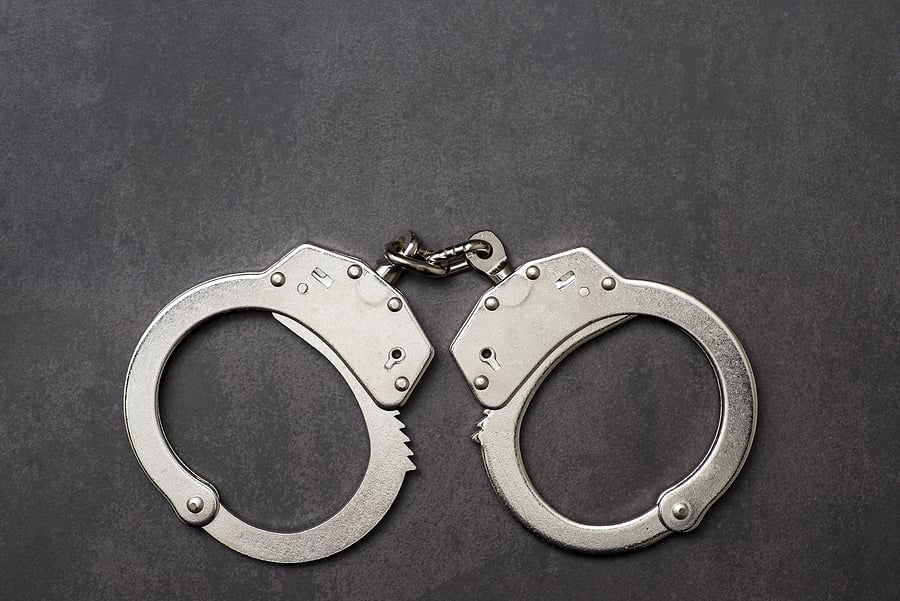
Beck allegedly threatened to call the Metropolitan Police Department if O’Hara did not stop his actions. Following this, four police officers arrived and subsequently placed O’Hara in handcuffs, preventing him from continuing to express his dissent against the military presence.
The lawsuit emphasizes that O’Hara believes he was merely exercising his rights under the First Amendment when engaging in the protest. His legal team argues that the arrest constituted a violation of both the First and Fourth Amendments regarding unlawful seizure.
Specific individuals named in the complaint include Sergeant Beck and the four Metropolitan Police officers involved in the arrest. The lawsuit goes on to mention the excessive force that O’Hara felt he endured while being handcuffed.
O’Hara’s legal representatives assert that he never interfered with any active law enforcement activities and remained at a safe distance throughout his protest. The case highlights ongoing concerns about the deployment of troops in urban areas and questions surrounding civil liberties in such instances.
The lawsuit seeks accountability for the alleged constitutional violations and aims to secure compensation for O’Hara’s injuries.