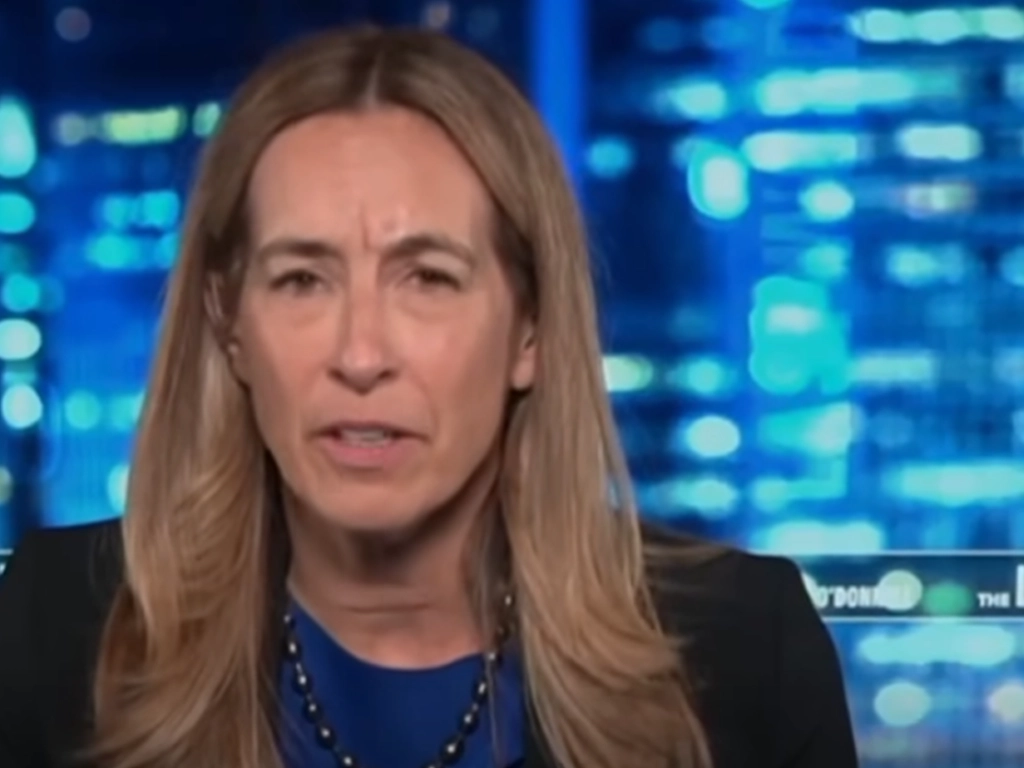
Washington, DC – Representative Mikie Sherrill and nearly every member of New Jersey’s Democratic congressional delegation voted Tuesday against a stopgap spending bill that would have reopened the federal government, keeping the shutdown in place as partisan divisions deepened.
The Continuing Appropriations and Extensions Act, 2026, failed to clear the House after Democrats opposed the Republican-authored measure, which would have funded the government through November 21 and extended several expiring federal programs.
Only New Jersey’s three Republican representatives — Thomas Kean Jr., Chris Smith, and Jeff Van Drew — voted in favor of the measure.
Key Points
- Mikie Sherrill and all New Jersey House Democrats voted “no” on a bill to reopen the federal government
- The bill would have funded agencies through November 21 and extended key health, agriculture, and security programs
- Republicans supported the measure while Democrats demanded broader negotiations on spending priorities
Partisan divide keeps shutdown in place
The bill, introduced September 16, aimed to continue funding most federal agencies at 2025 levels while providing flexibility for national security and judicial protection. It also included extensions for Medicare and Medicaid programs, veterans’ benefits, and several Homeland Security and Justice Department authorities.
Democrats objected to what they called a short-term fix that ignored ongoing negotiations over spending levels and policy riders, instead pushing for a broader budget framework that addresses health care, infrastructure, and climate funding priorities.
New Jersey delegation splits sharply
According to the roll call, all of New Jersey’s Democratic members — including Frank Pallone, Donald Norcross, Josh Gottheimer, Bonnie Watson Coleman, Rob Menendez, LaMonica McIver, Nellie Pou, Herbert Conaway, and Mikie Sherrill — voted against the bill. Republicans Kean, Smith, and Van Drew voted in favor.
Broader implications for federal programs
The failed vote marked another setback in Congress’s efforts to end the shutdown, now entering its fourth week. Without passage of the continuing resolution, agencies remain unfunded and thousands of federal workers continue to face furloughs or delayed paychecks.
Negotiations expected to continue
House and Senate leaders are expected to resume talks over the next several days, but no bipartisan compromise has emerged. Democratic leaders said they would not support reopening the government until Republicans agree to extend key health care subsidies and remove several policy riders tied to the budget bill.
The White House has urged lawmakers to reach an agreement “as quickly as possible” to restore federal operations and prevent disruptions to public services.