ATLANTIC CITY, NJ – Governor Phil Murphy is celebrating the opening of a new Save A Lot supermarket in Atlantic City’s Renaissance Plaza, part of a nearly $20 million state-funded redevelopment effort.
The project, supported through the Casino Reinvestment Development Authority (CRDA) and the New Jersey Economic Development Authority (NJEDA), aims to deliver a full-service grocery store to a city long described as a “food desert.”
Murphy praised the investment as a promise fulfilled, highlighting it as part of a broader push to revitalize Atlantic City’s commercial corridors and improve access to affordable food.
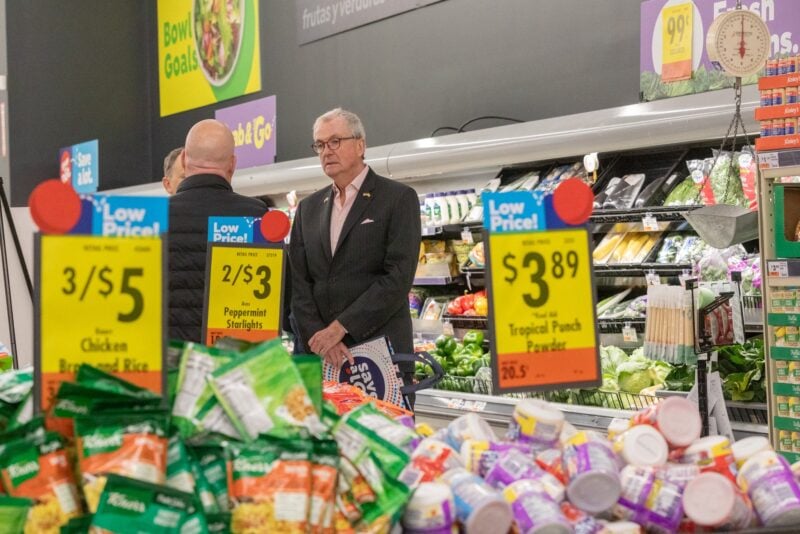
The $20 million in public funds are being used for extensive infrastructure work, including roof and masonry repairs, upgraded security, and streetscape beautification throughout the plaza.
Key Points
- The state is investing nearly $20 million in Atlantic City’s Renaissance Plaza redevelopment.
- The Save A Lot supermarket is the first full-service grocery store in the area in years.
- CRDA will retain ownership of the property to ensure long-term community benefit.
Revitalizing Atlantic City’s commercial core
According to state officials, the CRDA acquired the Renaissance Plaza to oversee its transformation into a modern retail hub. The upgrades are intended to support economic stability, job creation, and access to essential services in one of New Jersey’s most economically challenged cities.
Murphy, during his visit to the new supermarket, said the store represents “a meaningful investment in people,” underscoring the administration’s focus on economic equity and neighborhood development.
The Save A Lot’s opening comes as part of ongoing state efforts to attract private investment to Atlantic City beyond its casino economy. Officials say the redevelopment is designed to draw additional businesses, provide steady employment opportunities, and address long-standing gaps in access to healthy, affordable food.
While supporters hailed the store as a milestone, critics online questioned the cost, noting that taxpayers ultimately footed the bill for the project’s infrastructure improvements.