JACKSON, NJ – A Chanukah concert scheduled to take place in Jackson was abruptly canceled this week following the release of a kol koreh — a public proclamation — signed by the roshei yeshiva of Beth Medrash Govoha (BMG) in Lakewood.
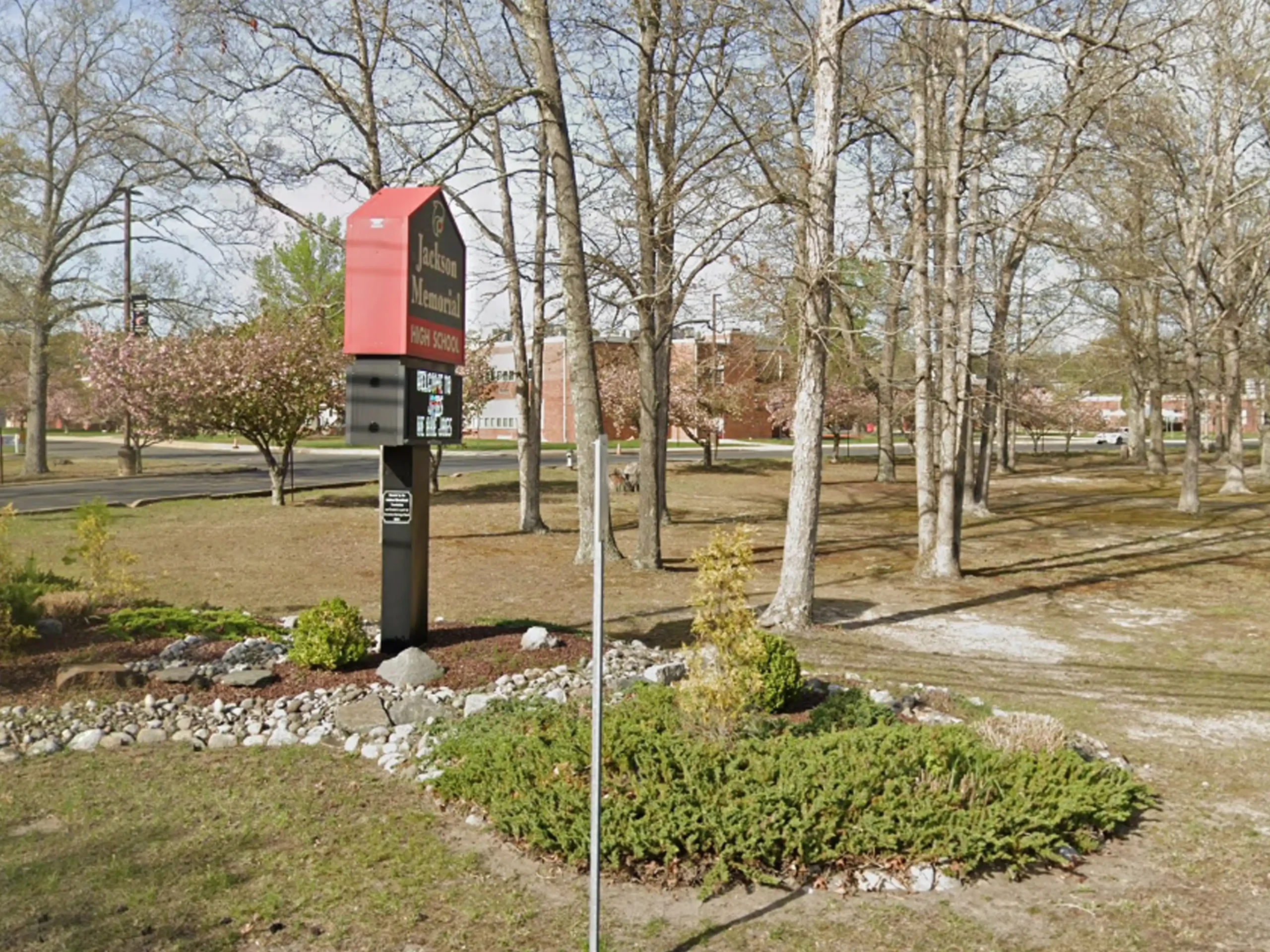
It was slated to take place at the Jackson Fine Arts Center on the campus of the former Jackson Memorial High School. It invited Jewish residents of all congregations to attend.
In the letter, the senior rabbis said they had recently become aware of plans for the concert and felt obligated to publicly state the daas Torah (Torah perspective) regarding participation in such events. The proclamation referenced prior rulings by leading rabbinic authorities in both the United States and Israel, who have prohibited attendance at concerts and large gatherings they deemed contrary to Torah standards.
The BMG leadership cited tznius (modesty) concerns and what it described as “an atmosphere inconsistent with accepted Torah values,” emphasizing that such events often involve mixed participation and entertainment deemed inappropriate for the community.
The letter also warned that gatherings of this nature can negatively influence not only attendees but also the broader community.
The kol koreh’s release led organizers to cancel the concert within hours, according to sources familiar with the event’s planning.
The decision sparked lively debate among community members online, with some praising the roshei yeshiva for upholding long-standing religious standards, while others criticized the late timing and questioned whether rabbinic leaders had been fully informed about the event.
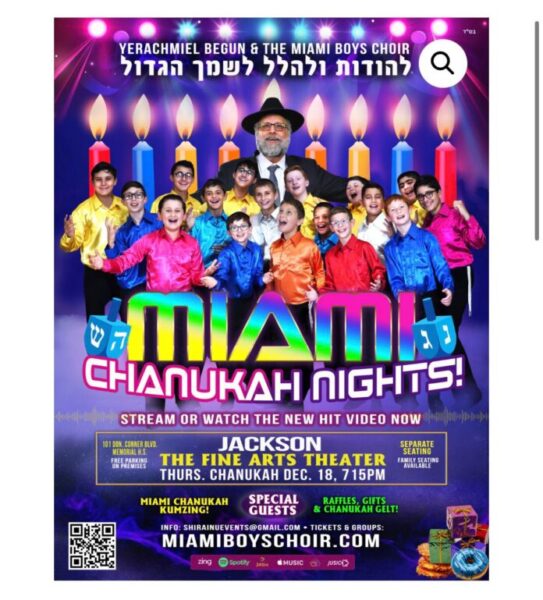
Commenters on Jewish community forums expressed frustration over what they described as recurring last-minute bans on concerts, noting that tickets had already been sold and advertising had been ongoing for weeks. “Why do these bans always come a day or two before the event?” one commenter asked. “Are they waiting so the producers can lose the most money?”
Others defended the rabbinic action as necessary to maintain spiritual integrity. “The roshei yeshiva are simply reminding the tzibbur of established halachic positions,” one participant wrote.
The kol koreh did not mention specific performers or organizers, nor did it reference musical prohibitions such as zecher lechurban (restrictions in memory of the Temple’s destruction). Rather, it focused on maintaining community standards and discouraging participation in public entertainment deemed outside the bounds of appropriate religious conduct.
As of Wednesday, organizers had not announced whether the event would be rescheduled in another format or venue.