
ATLANTIC CITY, N.J. — A recent study has debunked rumors that plush toys from boardwalk claw machines are infested with dust mites. Conducted in January 2025, by Shore News Network’s new forensic science lab, the study examined a plush Minion toy obtained from a randomly selected claw machine on a New Jersey boardwalk.
The investigation addressed online claims and concerns among parents and consumers that plush toys from these popular arcade games could harbor dust mites and allergens. Dust mites are microscopic creatures that thrive in warm, humid environments and are known to trigger allergies and asthma symptoms in sensitive individuals.

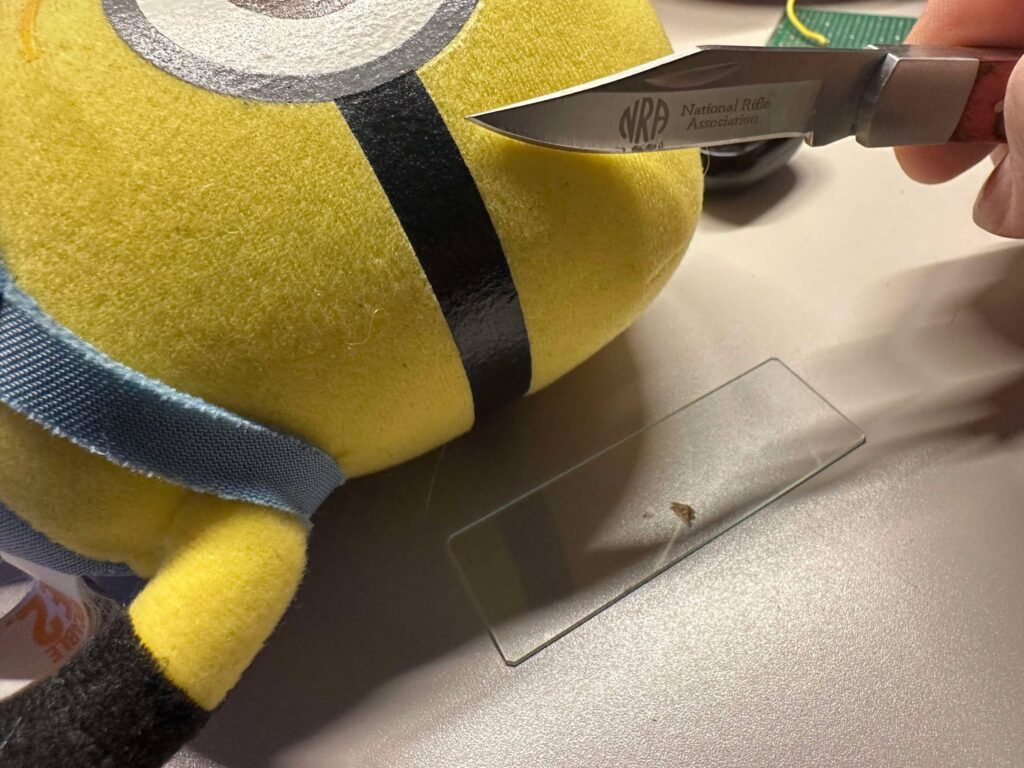
After thorough analysis, the initial found no evidence of dust mites in the plush toy sample. However, the study did detect significant amounts of dust particles, some small human skin flakes, and even a human hair embedded in the toy’s fibers.

While the absence of dust mites may come as a relief to some, experts warn that the presence of dust, skin flakes, and human hair could still pose allergy risks, particularly to individuals with sensitivities. Dust particles and skin flakes are known to attract dust mites in certain conditions, potentially leading to allergen buildup over time.
The research emphasized that while this single plush toy did not contain dust mites, the findings cannot be generalized to all claw machine prizes. Environmental factors, handling, and storage conditions can vary widely across locations, potentially affecting contamination levels.
Now, keep in mind, this test was done in the middle of winter, when the conditions for dust mites are not good. Dust mites enjoy warmer temperatures and humidity. We will conduct this test again over the summer when the dust mite conditions are at their peak and it will be a more in-depth study. Due to the current weather and humidity conditions, you’re not likely to encounter dust mites on claw game plush toys during the cold winter months.
Health professionals often recommend routine cleaning of plush toys, especially those handled by young children. A hot dryer cycle is commonly advised as an effective method to eliminate dust and any potential allergens that may cling to soft toys. High heat can kill dust mites and help dislodge dust particles, providing a safer toy for children to play with.
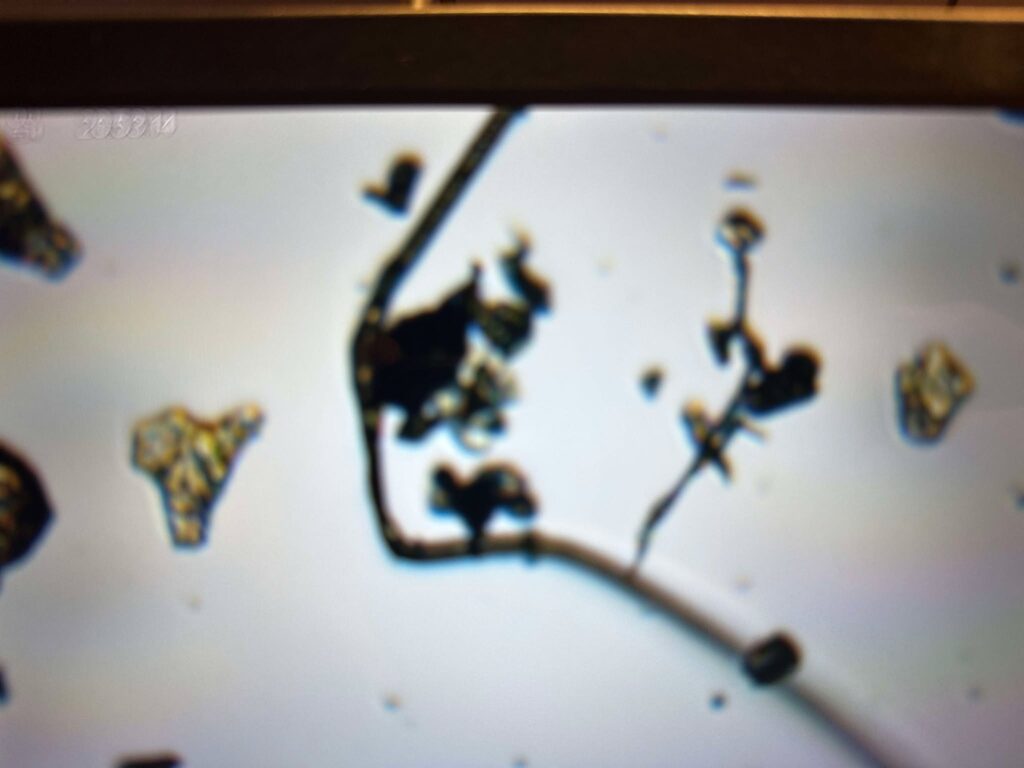
Although the boardwalk business from which the plush toy was obtained remains unnamed to protect its identity, the study raises broader concerns about hygiene and cleanliness in public arcade machines. Claw machine toys are typically mass-produced and stored in bulk before being loaded into machines, creating opportunities for dust and other contaminants to accumulate.
Parents and consumers are encouraged to be mindful of the cleanliness of toys won from public machines. Simple precautions, such as washing or heating plush toys before giving them to children, can significantly reduce potential health risks.


While this study offers some reassurance regarding dust mites, it also highlights the importance of maintaining good hygiene practices with children’s toys, particularly those obtained from high-traffic public spaces.
The findings suggest that while claw machine plushies may not be infested with dust mites, they can still carry allergens that could trigger mild allergic reactions in sensitive individuals.
Dust mites are microscopic arachnids that live in household environments, feeding on dead human skin cells. Although they are too small to see with the naked eye, dust mites can trigger allergic reactions and asthma in sensitive individuals. Understanding the conditions in which dust mites thrive and how to effectively eliminate them is essential for maintaining a healthy home.
Dust mites thrive in warm, humid environments. They prefer temperatures between 68°F and 77°F, which are common in most indoor spaces. High humidity levels, especially between 70% and 80%, create ideal conditions for dust mites because they rely on moisture in the air to survive. Homes in humid climates or spaces with poor ventilation, such as bathrooms and basements, are particularly vulnerable to dust mite infestations.
Soft, fabric surfaces provide the perfect habitat for dust mites. They are most commonly found in bedding, mattresses, upholstered furniture, carpets, curtains, and stuffed animals—places where skin flakes and dust naturally accumulate. Dust mites also thrive in dark, undisturbed areas, making mattresses and pillows ideal hiding spots where they can feed and reproduce.
While completely eliminating dust mites is difficult, reducing their population and minimizing exposure is achievable through consistent cleaning and environmental control. Lowering indoor humidity is one of the most effective ways to deter dust mites. Using a dehumidifier or air conditioner can help maintain humidity levels below 50%, while proper ventilation in damp areas of the home can prevent moisture buildup.
Regular cleaning is essential. Washing bedding, pillowcases, and blankets in hot water—at least 130°F—once a week kills dust mites and removes allergens. Protective, allergen-proof covers on mattresses and pillows can create a barrier between you and dust mites, reducing exposure. Vacuuming carpets, rugs, and upholstered furniture with a vacuum cleaner that has a HEPA filter helps capture dust and allergens that mites feed on. For hard surfaces, using a damp cloth instead of a dry one can prevent dust from becoming airborne.
Temperature control also plays a role in dust mite prevention. Keeping indoor temperatures below 70°F makes the environment less suitable for their survival. Additionally, soft items like plush toys, pillows, and fabric cushions should be placed in a hot dryer for at least 15 minutes to kill any dust mites. For items that cannot be washed or dried, freezing them for 24 hours can effectively eliminate mites.
Homes with carpeting are more prone to dust mite buildup. Replacing carpets with hard flooring such as wood, tile, or vinyl can significantly reduce their population, especially in bedrooms where dust mites are most common. If removing carpets isn’t an option, regular steam cleaning can help manage mite populations.
Reducing household clutter can also minimize dust collection, creating fewer hiding spots for dust mites. Storing items in sealed containers prevents dust accumulation. Choosing hypoallergenic products, such as synthetic pillows and comforters instead of feather or down, can also make a difference. Opting for easily washable curtains and furniture reduces the chances of dust mites settling into fabric.
By controlling humidity, cleaning frequently, using protective covers, and applying high-heat treatments, it is possible to greatly reduce dust mite populations and improve indoor air quality. Consistent efforts in managing these conditions are crucial for minimizing allergy and asthma triggers linked to dust mites.