
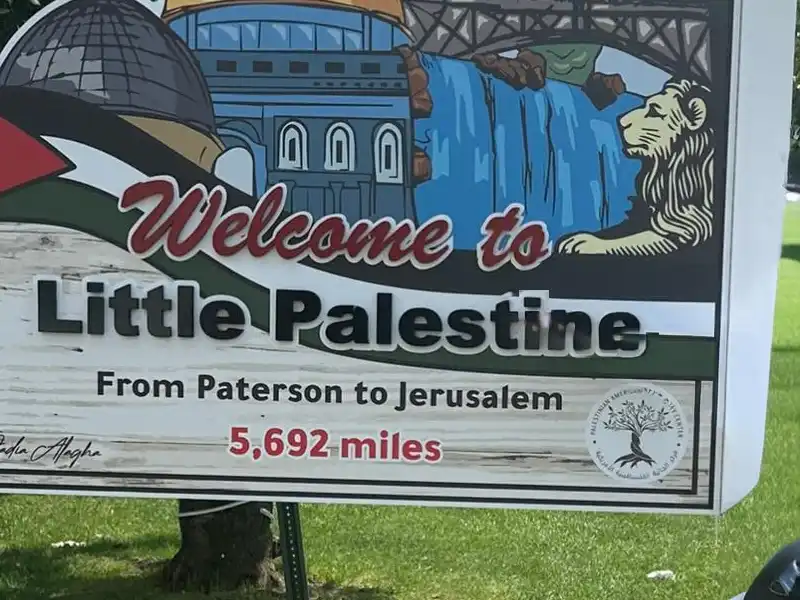
PATERSON, N.J. – U.S. Senator Cory Booker is defending the city of Paterson after federal intelligence officials issued a stark warning about global Islamist terrorism, prompting online criticism of the New Jersey city’s large Palestinian-American community.
The exchange began after Tulsi Gabard, the Director of National Intelligence, posted a message highlighting recent terror attacks around the world, describing the threat posed by “radical Islamist ideology.”
The post, shared by Director of National Intelligence Tulsi Gabbard, referenced recent attacks in New Orleans, Australia, and Nigeria, while accusing some public officials of “denying the truth” about terrorism.
In response, Senator Booker condemned what he called an attempt to “vilify an entire group of people based on their religious beliefs.”
On social media, Booker wrote, “Citing a list of horrific attacks around the world with no connection to Paterson just to vilify an entire group of people based on their religious beliefs is dishonest and dangerous. May the Christmas season call all of us to lead with love and compassion, and reject bigotry and hate.”
Paterson, home to one of the largest Palestinian-American populations in the United States, has often been referred to by community leaders as the “Palestinian capital of America.”
The city’s political landscape has long reflected its diverse immigrant communities but has also faced controversy, including past corruption scandals and election fraud cases.
Booker’s remarks followed mounting criticism of Paterson from national commentators citing the city’s demographics in discussions of extremist threats.
The senator emphasized that no evidence links Paterson or its residents to terrorism and urged restraint in conflating religion or ethnicity with global violence.
The debate highlights the growing political tension as federal officials warn of heightened global threats while local leaders push back against stigmatizing Muslim and Arab-American communities.