
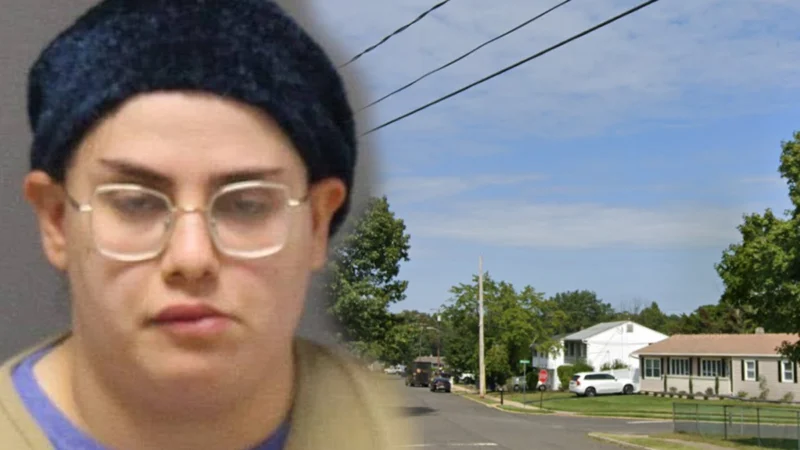
BRICK, N.J. — Brick Township is preparing to purchase the infamous “triangle lot” in the Herbertsville section after a Superior Court judge overturned the township’s denial of a proposal to build a home on the undersized property.
The oddly shaped, 4,812-square-foot parcel sits at the intersection of Illinois, New Jersey and Pennsylvania avenues and has been the focus of litigation, neighborhood opposition and accusations of religious discrimination since developers Esther Cohen and Naomi Elkins sought permission to construct a single-family home there.
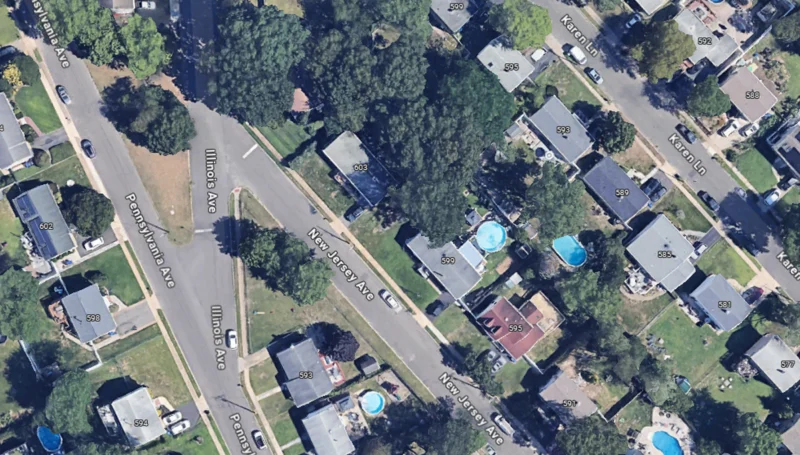
Rather than proceed with a court-ordered approval of the development, the Brick Township Council introduced an ordinance authorizing the use of Open Space funds to purchase the property for $125,000, preserving it from future residential development.
Years-long zoning battle
The controversy began when Cohen and Elkins applied to build a 1,700-square-foot home on the lot, which is nearly half the size required for a corner property in Brick’s R-7.5 residential zone.
Members of the Brick Township Board of Adjustment unanimously denied the application in 2024, citing the property’s severe undersizing and concerns that its location at the convergence of three streets created potential traffic and driveway safety hazards.
The developers challenged that decision in Superior Court, alleging the denial was motivated by religious discrimination because they are Orthodox Jews.
Their lawsuit cited comments made during public hearings, including questions from residents about what “kind of family” would occupy the home, arguing those remarks reflected bias rather than legitimate planning concerns.
In November 2025, an Ocean County Superior Court judge overturned the zoning board’s decision, finding the denial was not adequately supported under New Jersey land-use law and clearing the way for the project to proceed.
Township changes course
Faced with the court’s ruling, township officials elected to purchase the parcel instead of allowing construction to move forward.
The acquisition will preserve the property as open space and end one of the township’s most contentious zoning disputes in recent years.
The triangle lot had become a symbol of broader debates over development, neighborhood character and the application of local zoning laws.
One owner’s later criminal case drew national attention
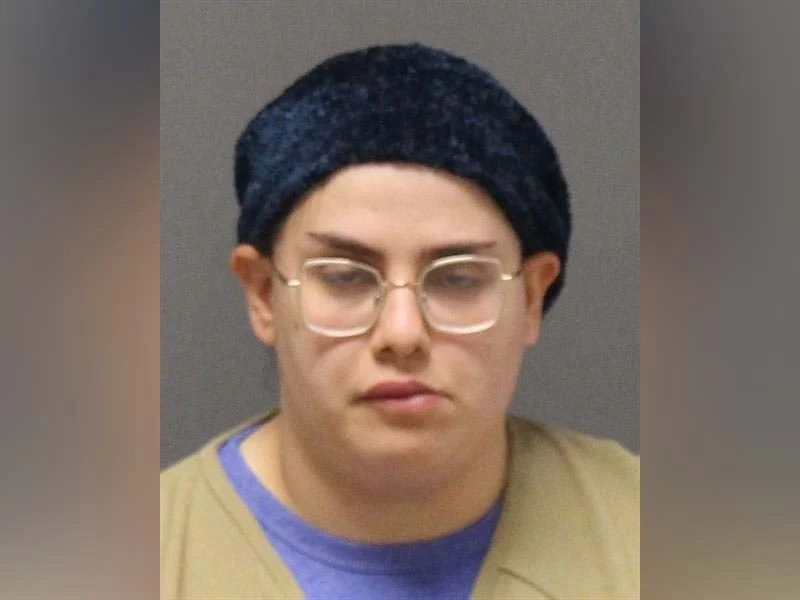
One of the property’s owners, Naomi Elkins, later became the subject of a separate criminal case that received national media attention.
In June 2024, prosecutors charged Elkins in the deaths of her two young daughters at her Lakewood home. During subsequent court proceedings, both prosecution and defense psychiatric experts concluded Elkins was suffering from severe psychosis and was legally insane at the time of the offenses.
“She thought that if she destroyed her children, she would be destroying all the evil in the world,” psychologist Gianni Pirelli said during the trial.
Elkins believed she was doing God’s work when she killed her children.
In 2025, an Ocean County Superior Court judge found Elkins not guilty by reason of insanity and ordered her committed to a secure state psychiatric hospital rather than sentenced to prison.
According to court testimony, Elkins made statements to investigators indicating she believed she was acting on religious commands, but mental health experts testified those beliefs were the product of psychotic delusions caused by severe mental illness.
She remains committed to a secure psychiatric facility, where her confinement is subject to periodic judicial review under New Jersey law.
End of an unusual chapter
Brick’s decision to acquire the triangle lot brings an end to a dispute that combined difficult land-use questions with allegations of discrimination and years of litigation.
For township officials, the purchase avoids further legal conflict while preventing development on one of Brick’s most unusual residential parcels.
Once the acquisition is completed, the property is expected to remain preserved through the township’s Open Space program, closing the book on a case that drew attention well beyond Brick Township.