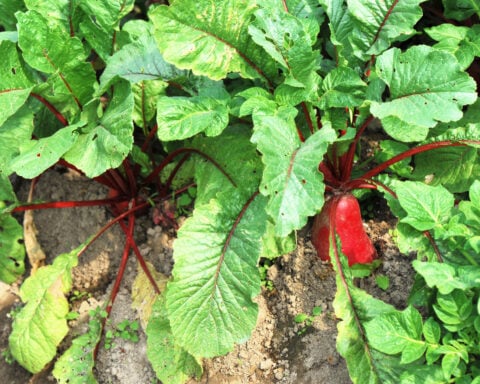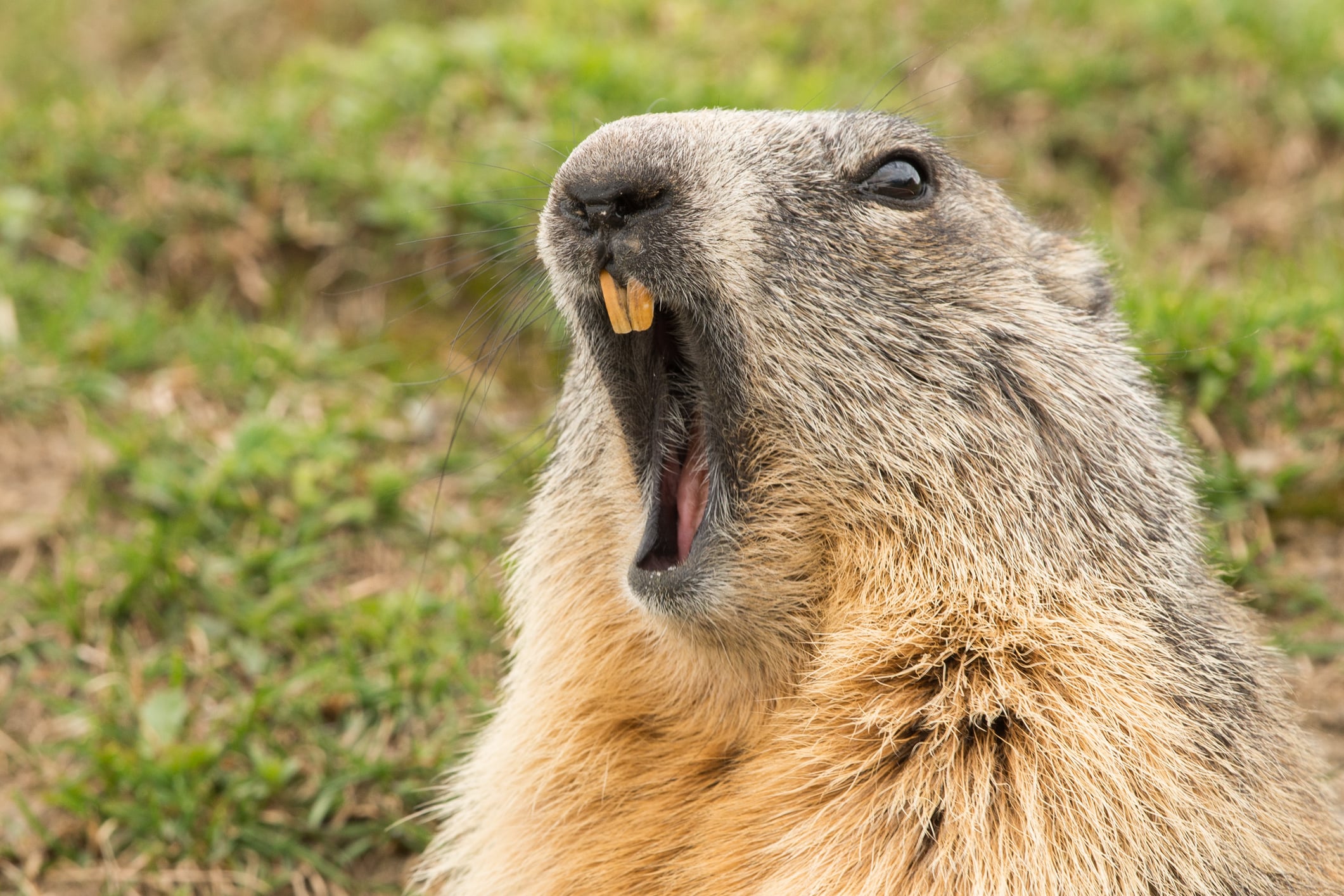
Toms River, NJ – Few things frustrate home gardeners more than walking outside to find a vegetable garden destroyed overnight by a hungry groundhog. While many New Jersey homeowners wonder whether they can legally shoot a woodchuck that’s eating their crops, the answer is more complicated than a simple yes or no.
Under the New Jersey Administrative Code, property owners whose gardens or property are being damaged by nuisance wildlife are generally permitted to control certain animals, including groundhogs, without first obtaining a state permit. However, that does not automatically mean it is legal to discharge a firearm in every location.


The regulations governing nuisance wildlife are found in N.J.A.C. § 7:25-5.21, which specifically lists woodchucks, also known as groundhogs, among the species that property owners may control when they are causing damage.
State law allows control of nuisance groundhogs
According to the New Jersey Division of Fish and Wildlife, property owners and occupants of dwellings suffering damage from squirrels, raccoons, opossums, skunks, weasels, woodchucks, coyotes and certain fox species “may control these animals by lawful procedures at any time,” subject to state law and local ordinances.
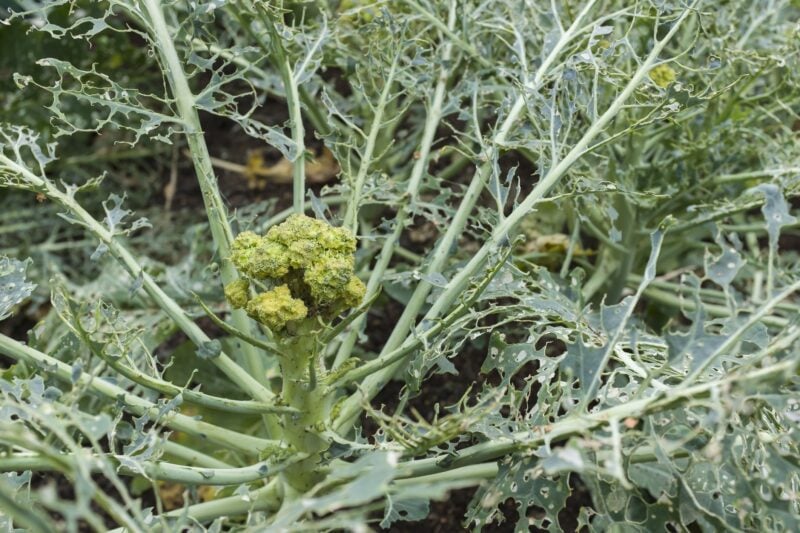
The regulations also extend similar authority to farmers whose crops, livestock or poultry are being damaged.
The state’s nuisance wildlife chart further identifies groundhogs as one of the species that does not require a nuisance wildlife permit before control measures are taken.
Firearms laws still apply
While the nuisance wildlife regulations allow property owners to control groundhogs, they do not override other New Jersey firearms laws or municipal ordinances.
Many towns prohibit or strictly regulate the discharge of firearms within municipal limits, regardless of the reason.
New Jersey also considers an air rifle or pellet gun to be a firearm under state law. That means someone using a pellet gun to shoot a nuisance groundhog may still be subject to the same firearm regulations that apply to traditional guns.
Before using any firearm for wildlife control, homeowners should determine whether local ordinances prohibit firearm discharge in their neighborhood.
In many suburban communities, firing a gun could violate municipal law even if the underlying wildlife control activity is otherwise permitted by state regulations.
Safety should always come first
Wildlife officials and firearms safety instructors consistently emphasize that legal authority does not eliminate the responsibility to use safe judgment.
Before discharging a firearm, property owners should carefully consider what lies beyond the intended target.
Bullets and pellets can travel considerable distances or ricochet, creating risks for neighbors, homes, vehicles and pets.
Gardeners should also be mindful of nearby roads, walking paths and other locations where people could unexpectedly enter the area.
Anyone unsure whether discharging a firearm is lawful where they live should contact their local police department or municipal officials before taking action.
Other options for protecting gardens
Many homeowners successfully discourage groundhogs without using lethal methods.
Installing sturdy fencing that extends below ground can prevent burrowing beneath garden enclosures. Motion-activated sprinklers, exclusion barriers and habitat modifications may also reduce damage.
For persistent problems, licensed nuisance wildlife control operators can remove animals in accordance with New Jersey regulations.
Because groundhogs can produce multiple offspring during the breeding season, addressing burrows early may help prevent future garden damage.
Local Impact
Groundhogs are among the most common nuisance wildlife complaints received by New Jersey homeowners each summer, particularly as vegetable gardens reach peak production. While state regulations allow property owners to control animals causing damage, residents should understand that local firearm ordinances and safety considerations may significantly limit how that control can legally be carried out.
Sources
- New Jersey Administrative Code § 7:25-5.21
- New Jersey Division of Fish and Wildlife nuisance wildlife regulations
- New Jersey Division of Fish and Wildlife nuisance wildlife species chart
FAQ
- Can I legally shoot a groundhog eating my garden in New Jersey? State regulations allow property owners to control nuisance groundhogs by lawful procedures, but local firearm ordinances and other state laws may prohibit discharging a firearm where you live.
- Do I need a state permit? No. Groundhogs are listed as a nuisance wildlife species that does not require a state nuisance wildlife permit under the cited regulations.
- Is a pellet gun considered a firearm? Yes. Under New Jersey law, an air rifle or pellet gun is considered a firearm.
- Should I check with my town first? Yes. Municipal ordinances may prohibit firearm discharge even when state wildlife regulations allow nuisance animal control.
- Are there non-lethal options? Yes. Fencing, exclusion barriers, motion-activated sprinklers and licensed nuisance wildlife removal services are commonly used alternatives.
Key Points
- New Jersey regulations allow property owners to control nuisance groundhogs without obtaining a state permit.
- Firearm discharge remains subject to New Jersey law and local municipal ordinances, including rules covering pellet guns.
- Homeowners should prioritize safety and verify local regulations before attempting to shoot nuisance wildlife.