NBA scandal rocks the sports world as Terry Rozier and ex-coach Damon Jones charged in insider betting scandal

Brooklyn, N.Y. – Federal prosecutors have charged current and former

Brooklyn, N.Y. – Federal prosecutors have charged current and former

Monmouth County, NJ – Republican gubernatorial candidate Jack Ciattarelli outlined

DOJ defends Alina Habba’s appointment as New Jersey U.S. attorney in court challenges
Philadelphia, PA
The Department of Justice returned to court to uphold Alina Habba’s appointment as acting U.S. attorney for New Jersey. Criminal defendants argue her appointment was unlawful, claiming it disqualifies her from prosecuting them.
A panel from the 3rd U.S. Circuit Court of Appeals, composed of Judges L. Felipe Restrepo, D. Michael Fisher, and D. Brooks Smith, questioned the legality of Habba’s appointment. They explored the intersection of federal statutes regarding the appointment of U.S. attorneys, which must be confirmed by the Senate.
Defendants Julien Giraud Jr., Julien Giraud III, and Cesar Pina contended that Judge Matthew Brann of the Middle District of Pennsylvania correctly determined that Habba was not lawfully serving. The DOJ countered that Brann’s decision would impede the government’s ability to fill thousands of important positions.
Judge Brann did not dismiss the indictment against the defendants but noted that the executive branch operated through novel legal methods in appointing Habba. The DOJ cited 5 U.S. Code § 3345 and the Federal Vacancies Reform Act as the basis for her role as acting U.S. attorney.
Habba, once a personal attorney for Donald Trump, was first named interim U.S. attorney in March. Her temporary appointment allowed for a 120-day tenure, which had to conclude with Senate confirmation or a federal court appointment.
Throughout her interim period, Habba’s nomination remained pending in the Senate, leading to federal judges appointing Desiree Grace as U.S. attorney. Following Trump’s decision to withdraw Habba’s nomination, she resigned from the interim position and was named the first assistant.
Attorney General Pam Bondi reacted by dismissing Grace, asserting that rogue judges disrupted Trump’s powers. Habba subsequently secured a position as a “Special Attorney to the United States Attorney General.”
During arguments on Monday, Henry Whitaker from the DOJ defended Habba’s appointment, stating it was within statute. However, he acknowledged that the circumstances surrounding her appointment were unique.
The panel probed whether the sequence of events surrounding Habba’s appointment posed serious constitutional implications. Judge Smith remarked that the case involved fundamental issues surrounding the appointment of U.S. attorneys and Separation of Powers.
Whitaker maintained that Habba could fulfill her role without being subject to time limits as a special attorney. He argued the statutes were being applied properly, though he recognized that specific precedents were lacking.
Lawyer Abbe Lowell, representing the defendants, criticized the legal framework surrounding Habba’s appointment. He claimed it allowed an individual to operate indefinitely without Senate confirmation.
The court heard claims from amicus James Pearce, representing the Association of Criminal Defense Lawyers in New Jersey. Pearce stressed that endorsing this legal maneuver could lead to a shadow government of delegated U.S. attorneys.
Whitaker contended that precedents exist for delegated authority under federal law. He noted that challenges to Habba’s appointment were unprecedented and had emerged from unique circumstances.
The implications of this ruling could significantly impact future appointments of acting U.S. attorneys across the country. The case highlights ongoing tensions between judicial authority and executive power in appointing key government officials.

TRENTON, N.J. – Just hours after a Republican activist published

PATERSON, NJ – New Jersey Republican Bill Prempeh released an

TRENTON, NJ – The mystery behind last year’s viral “UFO”

NEWINGTON, NH – Firearms manufacturer SIG Sauer is firing back
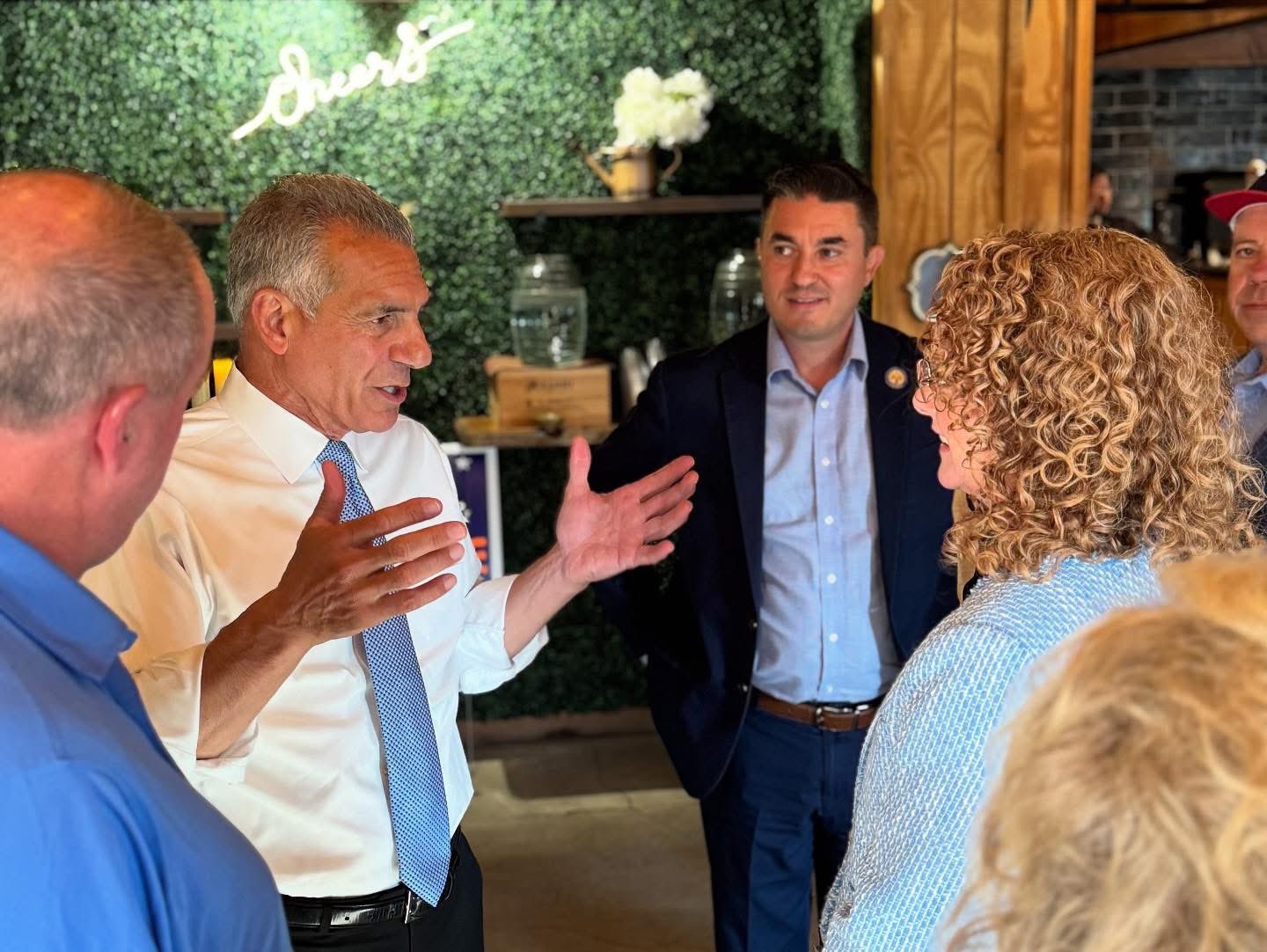
TRENTON, NJ – A growing list of Democratic officials has

Office of Management and Budget Director Russ Vought announced that

Columnist Gordon Chang warns that the United States must take
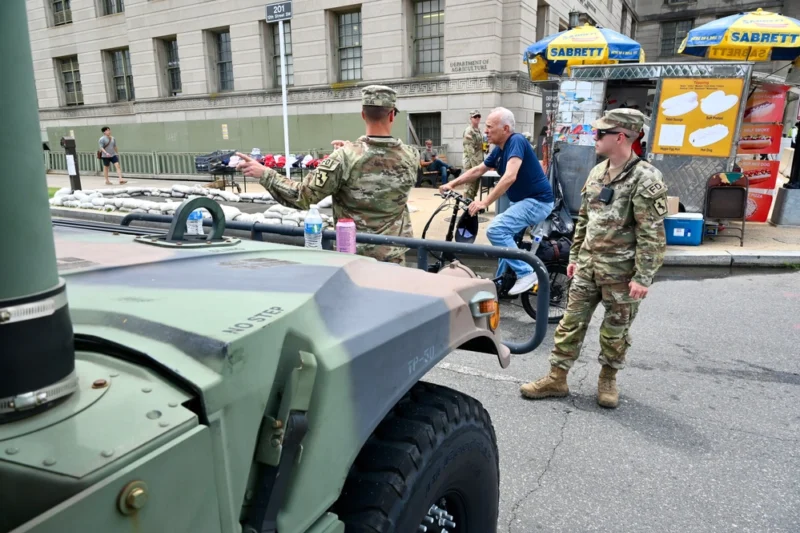
President Donald Trump has appealed to the Supreme Court to

A proposed United Nations “global carbon tax” targeting international shipping
President Donald Trump announced Friday that he has commuted the

A Wikipedia conference in Manhattan descended into chaos Friday after
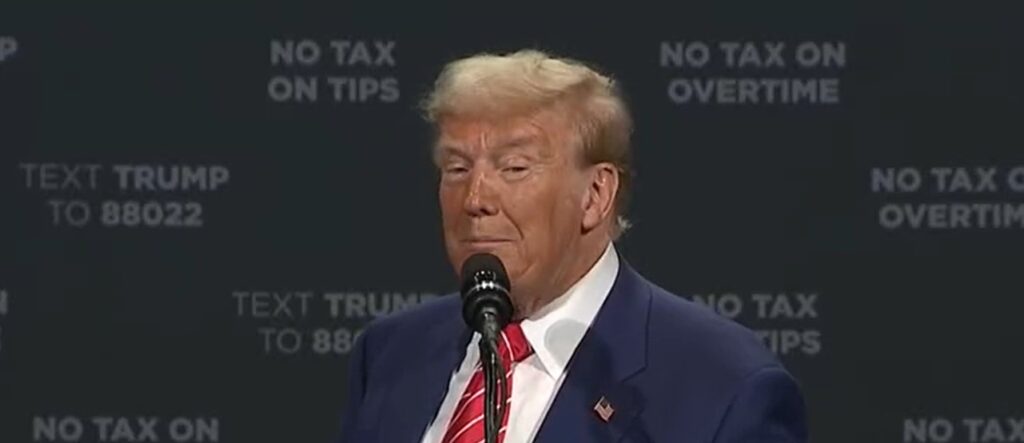
Former President Donald Trump announced Friday that he is endorsing

Disturbing cockpit audio captured the final seconds before a twin-engine

Fox News’ Jessica Tarlov sparked laughter and debate Friday after
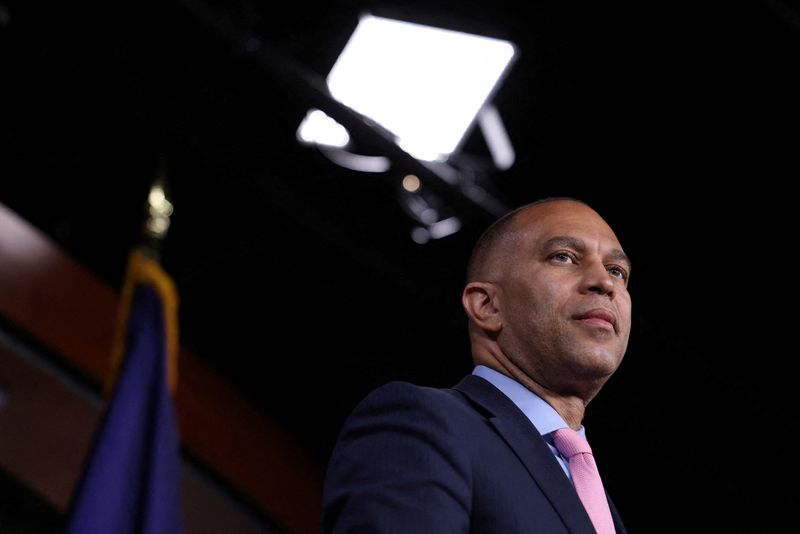
House Minority Leader Hakeem Jeffries lashed out at White House
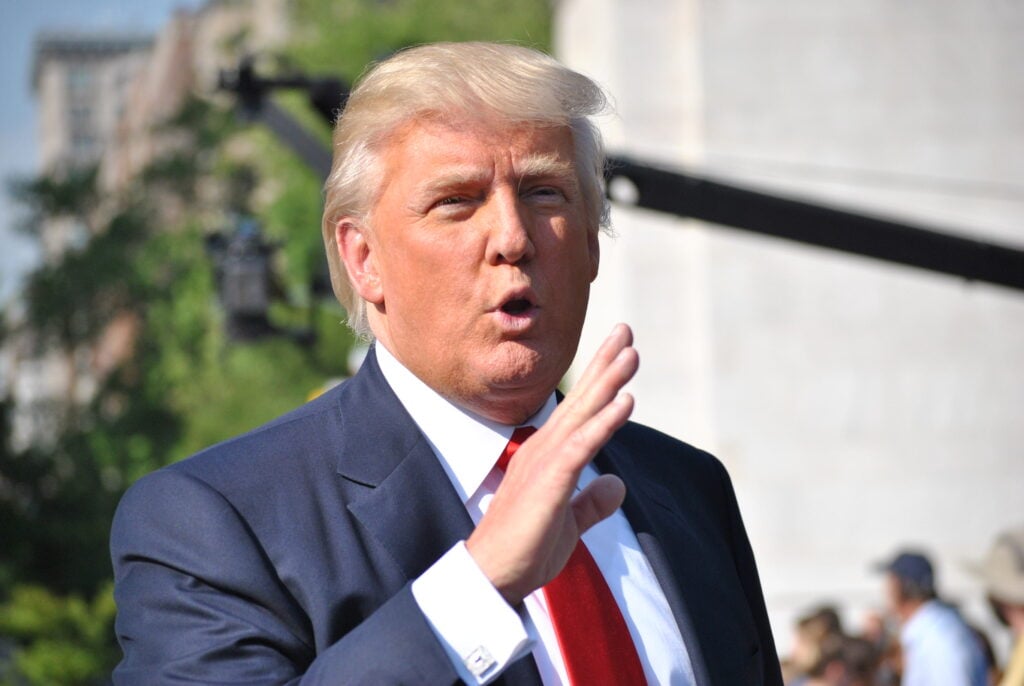
Former President Donald Trump issued a stern warning to Venezuelan

Dallas, TX – A 23-year-old man from Mexico living illegally

Bethesda, MD – A federal grand jury has indicted former

Quantico, VA – In a fiery address to the nation’s

Springfield, IL – Illinois Gov. JB Pritzker reported more than
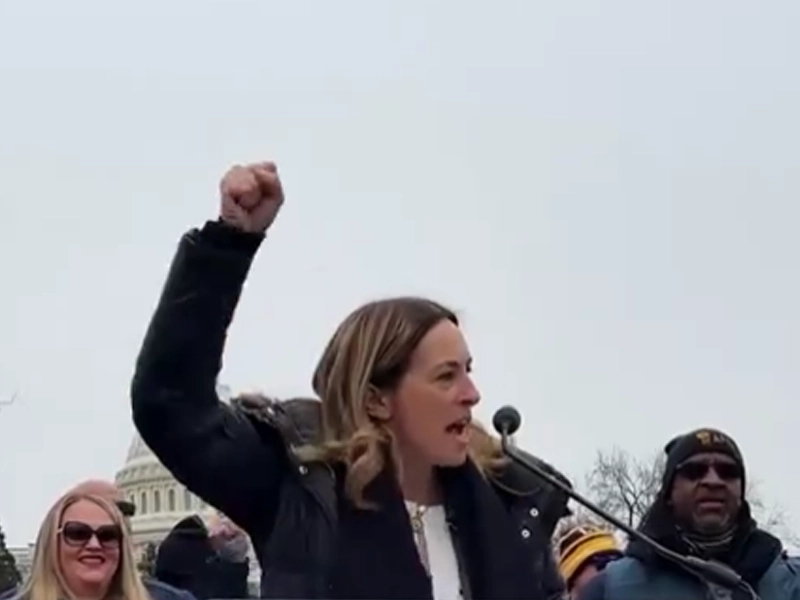
NJ lawmaker claims Quinnipiac governor’s poll tilted toward Sherrill Trenton,
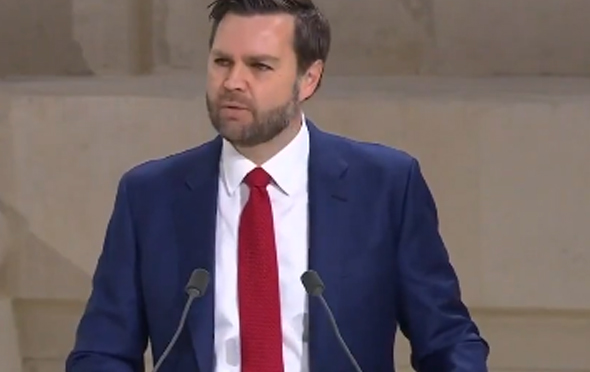
Headline: Vice President Vance claims Comey lied under oath during NBC interview
CITY, STATE – Vice President JD Vance stated on NBC’s “Meet the Press” on Sunday that former FBI Director James Comey “obviously lied under oath.” This comment came the same day that the prosecution pursued a protective order in the case involving both Comey and New York Attorney General Letitia James.
Interim U.S. Attorney Lindsey Halligan, supported by federal prosecutors from North Carolina, filed documents to obtain a protective order, citing the high-profile nature of the case. The prosecution asserted that Comey’s remarks stating his “innocence” necessitate restrictions on the use of discovery to ensure an impartial trial.
Vance, who graduated from Yale Law School, reinforced his accusations during the interview, claiming both Comey and James committed crimes. He mentioned the contrast between their cases and the absence of charges against former Presidents Joe Biden and Barack Obama and former Secretary of State Hillary Clinton to support his point.
When asked if the Department of Justice was acting on orders from the president, Vance denied this, stating the decisions are driven by “the law and the facts of the case.” He emphasized that the prosecution does not follow presidential directives and supports his statements by noting recent indictments.
On Monday, Comey’s legal team filed a response against the proposed protective order, questioning why a former high-ranking DOJ official could not be trusted with sensitive information. They argued that the protective order would unreasonably disadvantage his defense.
The defense filed also expressed concern about being unable to review and refer to essential materials during the preparation of Comey’s case, underscoring Comey’s extensive experience in government service.
Vance responded to concerns regarding Trump’s influence on prosecutions, stating, “Did somebody break the law? If so, we’re going to prosecute them.” He dismissed the implications of bias in the administration’s legal decisions.
The ongoing legal situation raises questions surrounding the prosecution’s handling of high-profile cases in the current political environment, with Comey’s defense maintaining that he deserves access to all necessary information.
In a landscape filled with political maneuvering, the stakes in the prosecution of Comey and James have never been higher.
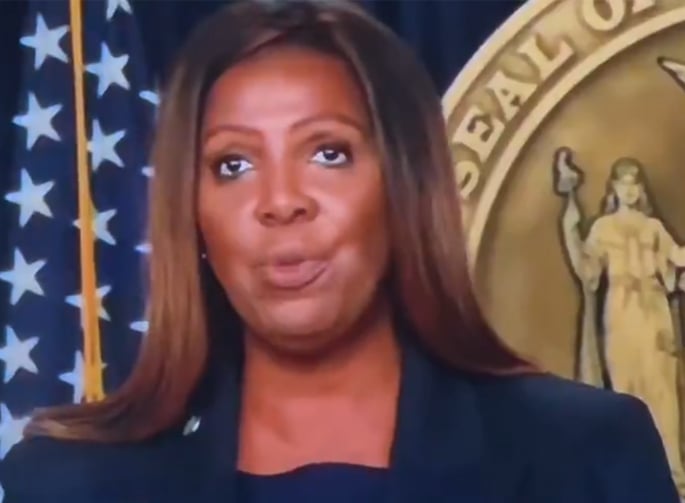
Alexandria, Virginia — New York State Attorney General Letitia James

TRENTON, N.J. – Democratic gubernatorial candidate Mikie Sherrill claimed victory

A wave of red, white, and blue is sweeping across
MORRISTOWN, NJ – Never mind the insider stock trades she
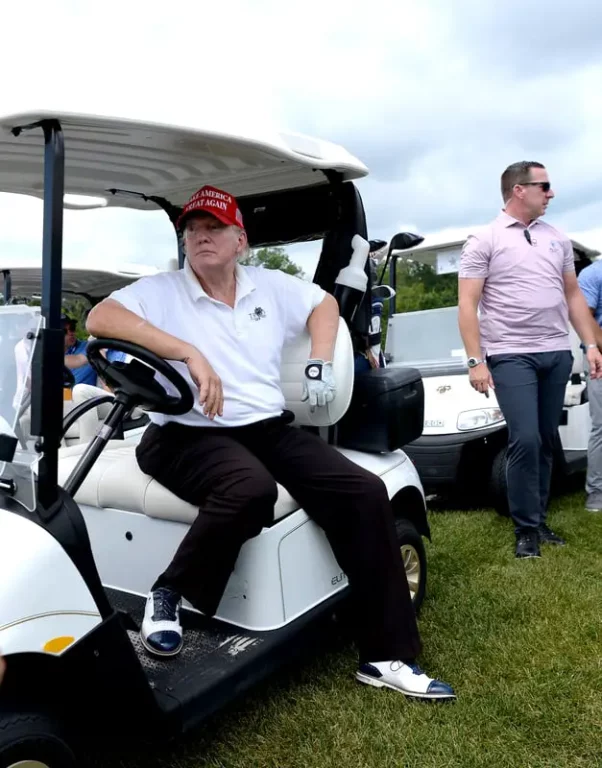
Trenton, NJ – Democrats in New Jersey are escalating their

Minneapolis, MN – A 23-year-old man who twice tried to

Trenton, NJ – The New Jersey-Israel Commission earlier this month
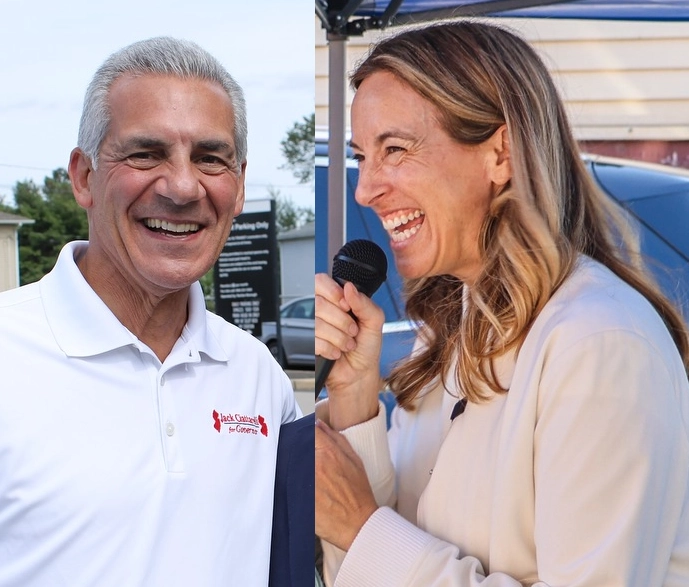
MONTCLAIR, NJ – Questions continue to surround Rep. Mikie Sherrill’s

Key Points MORRISTOWN, NJ – Rep. Mikie Sherrill’s wealth has

ALVORD, TX – A North Texas teacher is facing backlash

Governor slams Chicago Teachers Union tribute to convicted cop killer

Newark, NJ – A federal judge handed Union City and
Trenton, NJ – Republican gubernatorial candidate Jack Ciattarelli’s campaign on
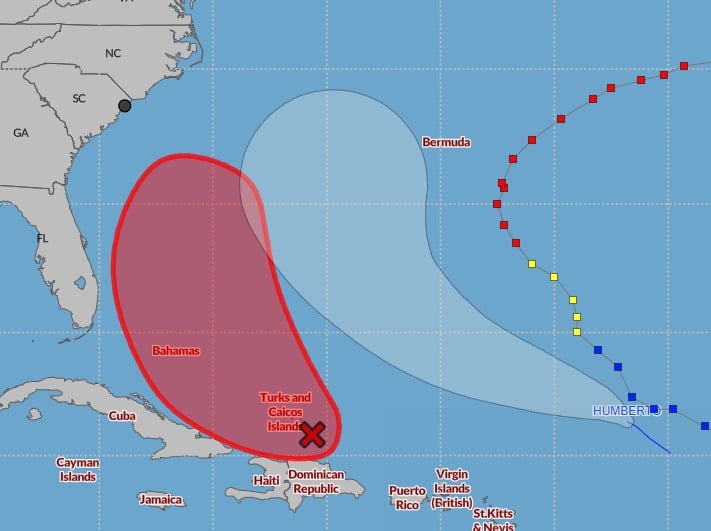
MYRTLE BEACH, SC – City officials are bracing for the

Dallas, TX – A deadly shooting erupted outside a U.S.

Washington, DC – The Department of Homeland Security announced Tuesday

NEW YORK — The U.S. Secret Service has dismantled a
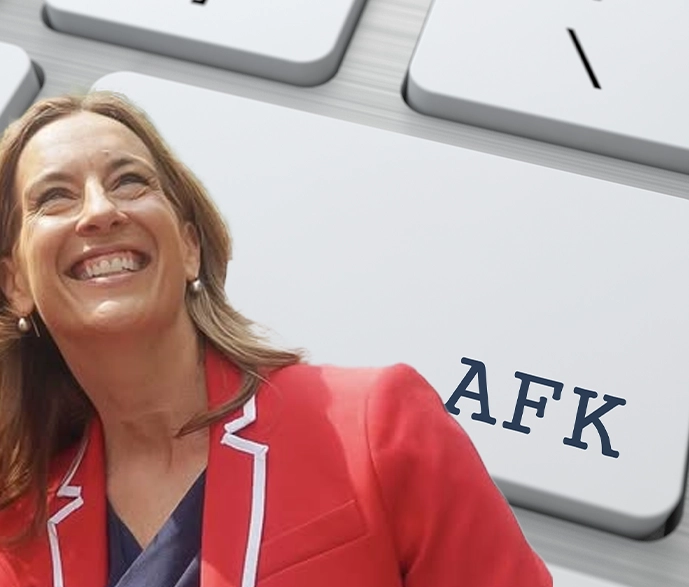
Parsippany, NJ – Rep. Mikie Sherrill is facing sharp criticism
Trenton, NJ – Republican candidate Jack Ciattarelli took aim at

Four Republicans Help Stop Effort To Censure Ilhan Omar Over

Trenton, NJ – New Jersey has officially joined forces with
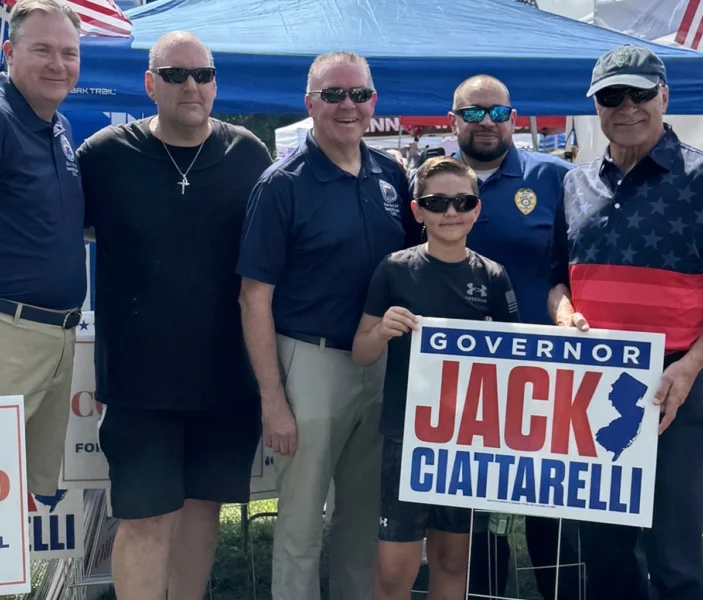
JACKSON, NJ – No matter where you look in New
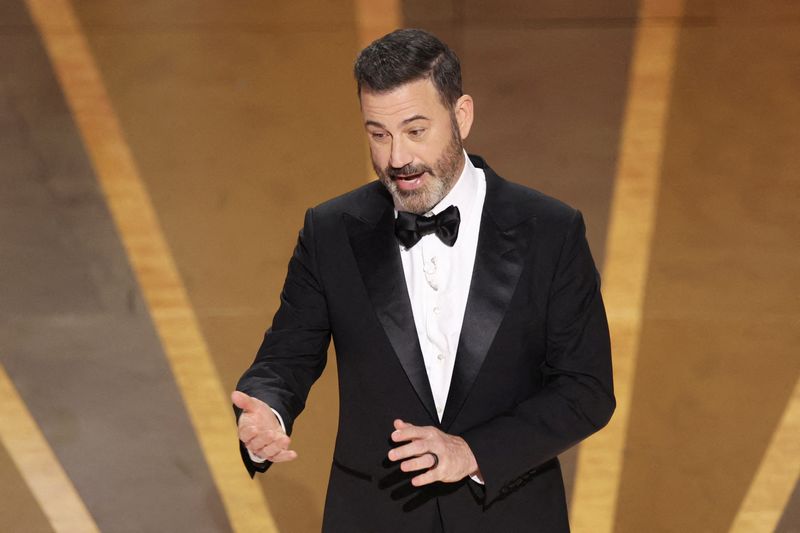
ABC Pulls Jimmy Kimmel Off Air Over Charlie Kirk Comments
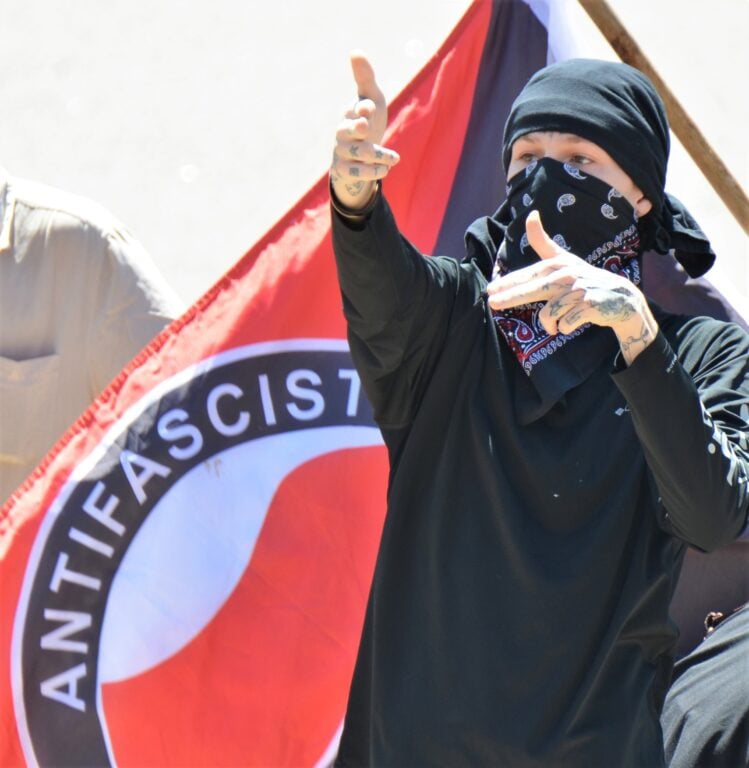
Trump Declares Antifa A Terrorist Organization President Donald Trump announced
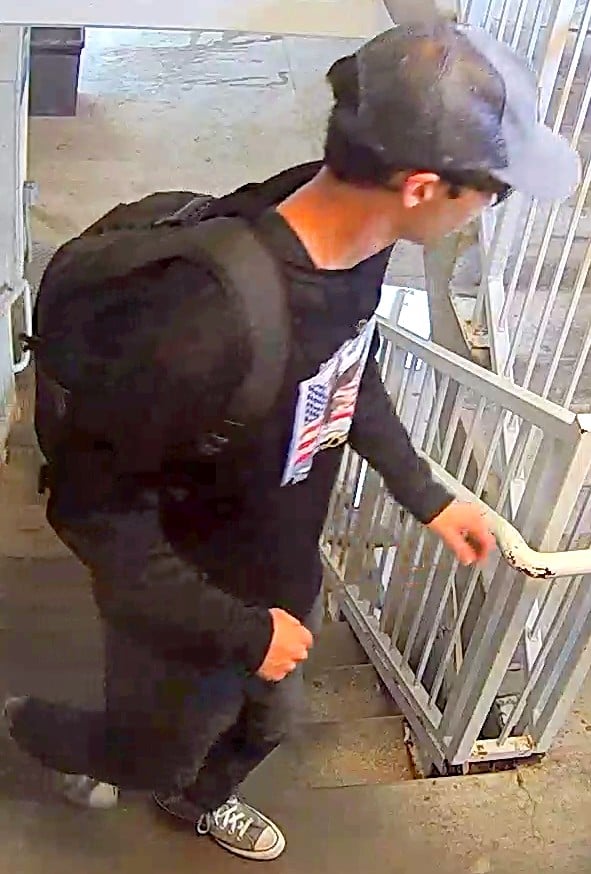
ABC blasted for romanticizing Charlie Kirk murder suspect’s relationship in