New Jersey Files Second Lawsuit Against Amazon over Worker Rights Violations

TRENTON, N.J. – New Jersey Attorney General Matthew J. Platkin

TRENTON, N.J. – New Jersey Attorney General Matthew J. Platkin

Monmouth County, NJ – Republican gubernatorial candidate Jack Ciattarelli outlined

Newark, NJ – Democratic gubernatorial candidate Mikie Sherrill is under

Lakewood, NJ – Democratic gubernatorial candidate Mikie Sherrill made her

Newark, NJ – New Jersey Rep. LaMonica McIver is facing

Old Bridge, NJ – Florida Congressman and Republican gubernatorial candidate
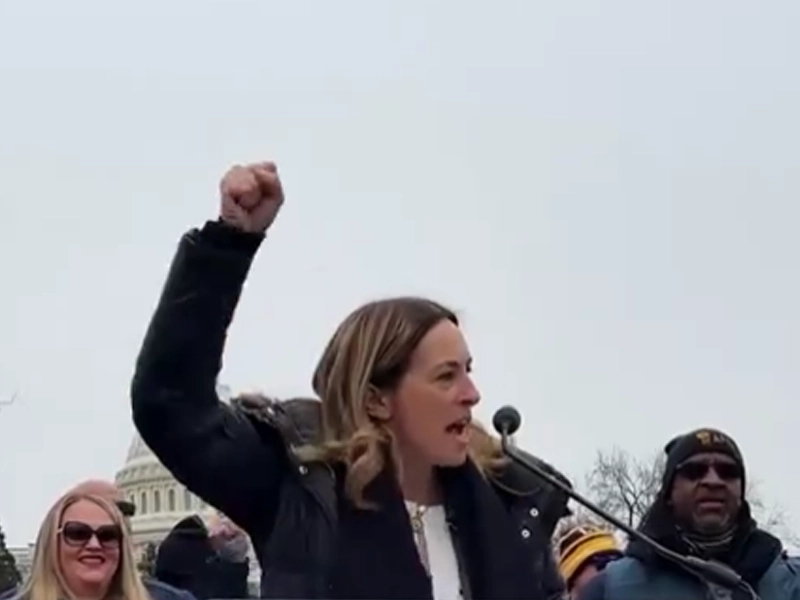
NEW BRUNSWICK, N.J. – Gubernatorial candidate Mikie Sherrill is facing
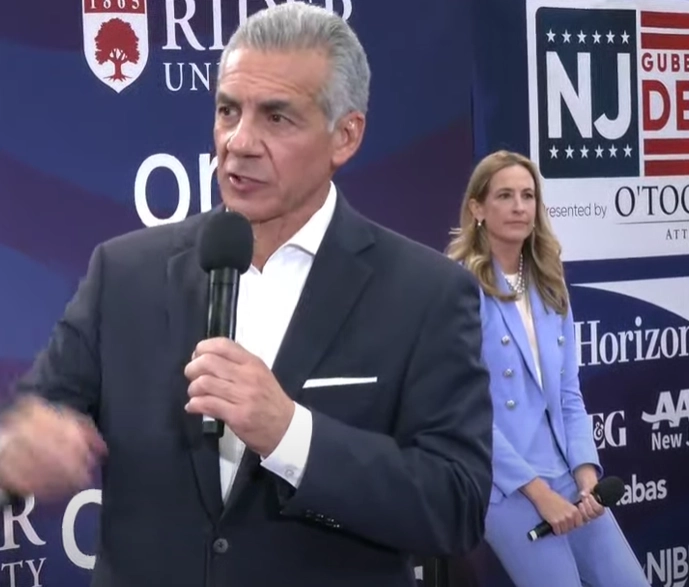
Voters split on who will win as Sherrill and Ciattarelli

TOMS RIVER, N.J. – George Lobman, a candidate for the

JACKSON TOWNSHIP, NJ – A Karate Instructor who spent 17

FLANDERS, N.J. – A 70-year-old man has been charged after

SOMERS POINT, N.J. – Police are searching for a 35-year-old

MANHATTAN, NY – Police released video and photos Tuesday showing

### New Jersey legislators push for tax relief amid soaring energy costs
Trenton, NJ
Senators Latham Tiver and Joe Pennacchio have introduced legislation to suspend the sales and use tax on electric bills. The proposal aims to alleviate the financial strain from rising energy costs for New Jersey families.
Tiver and Pennacchio seek to eliminate the Societal Benefits Charge for one year, a measure expected to save households significant amounts on energy expenses. The initiative builds on a similar bill introduced in May which was not voted on.
Governor Murphy has defended the continued tax collections as necessary for the Board of Public Utilities. The State anticipates $1.15 billion in tax revenue from energy bills in Fiscal Year 2026, reflecting a 15.7 percent increase, approximately $156 million more than the previous year.
Tiver expressed his discontent with the administration’s priorities, emphasizing the need for tax relief in light of the current affordability crisis. He stated, “Our plan puts taxpayers first by suspending unnecessary sales tax and SBC collections for the entire year.”
The proposed legislation is planned to go into effect on January 1, 2026. Pennacchio noted that while families await relief, a previous $100 measure was insufficient compared to their current proposal.
You can read the full draft of the legislation, S-4765, online.

Attorney General Platkin and Labor Commissioner sue Amazon over worker misclassification
Trenton, NJ – Attorney General Matthew J. Platkin and New Jersey Department of Labor and Workforce Development Commissioner Robert Asaro-Angelo have filed a lawsuit against Amazon and its delivery network. The state charges that Amazon has misclassified Flex delivery drivers as independent contractors, violating state labor laws.
The lawsuit alleges that Amazon deprives Flex drivers of wages, benefits, and legal protections designated for employees. As a result of these alleged violations, New Jersey Flex drivers and related funds have suffered significant financial losses.
Flex drivers utilize their own vehicles for deliveries while covering their own operational costs. Amazon has branded the Flex program as a means for individuals to have a flexible income opportunity, yet it maintains strict control over delivery processes.
The lawsuit claims that by misclassifying Flex drivers, Amazon avoids providing rights such as minimum wage and mandated sick leave. Platkin stated, “Amazon is taking advantage of Flex drivers.”
Commissioner Asaro-Angelo emphasized that misclassifying workers is illegal. “Flex drivers deserve proper classification,” he noted.
Many Flex drivers have been operating in New Jersey since 2017. An investigation into Amazon’s practices commenced when some Flex drivers sought unemployment and disability benefits, indicating Amazon’s lack of contributions to state funds.
The complaint, filed in Essex County’s Superior Court, outlines how Amazon’s business model harms Flex drivers. It highlights instances where drivers have worked over 40 hours without receiving earned overtime and where injuries have left them without essential sick leave.
New Jersey law presumes workers to be employees unless specific conditions are met. Amazon allegedly fails to meet these criteria, as drivers undergo training, do not manage independent businesses, and must adhere to Amazon’s operational guidelines.
The lawsuit details violations including wage withholding and failure to maintain accurate records. It seeks to stop unlawful practices, recover unpaid wages, and enforce penalties.
The state has prioritized addressing worker misclassification, previously settling cases against companies like Lyft and Uber. Since new legislation aimed at curbing such practices was enacted, New Jersey has collected significant penalties from misclassified workers.
Misclassification costs New Jersey taxpayers millions in lost contributions to state funds. With this lawsuit, the state aims to enforce labor laws and protect Flex drivers from exploitation.

DOJ defends Alina Habba’s appointment as New Jersey U.S. attorney in court challenges
Philadelphia, PA
The Department of Justice returned to court to uphold Alina Habba’s appointment as acting U.S. attorney for New Jersey. Criminal defendants argue her appointment was unlawful, claiming it disqualifies her from prosecuting them.
A panel from the 3rd U.S. Circuit Court of Appeals, composed of Judges L. Felipe Restrepo, D. Michael Fisher, and D. Brooks Smith, questioned the legality of Habba’s appointment. They explored the intersection of federal statutes regarding the appointment of U.S. attorneys, which must be confirmed by the Senate.
Defendants Julien Giraud Jr., Julien Giraud III, and Cesar Pina contended that Judge Matthew Brann of the Middle District of Pennsylvania correctly determined that Habba was not lawfully serving. The DOJ countered that Brann’s decision would impede the government’s ability to fill thousands of important positions.
Judge Brann did not dismiss the indictment against the defendants but noted that the executive branch operated through novel legal methods in appointing Habba. The DOJ cited 5 U.S. Code § 3345 and the Federal Vacancies Reform Act as the basis for her role as acting U.S. attorney.
Habba, once a personal attorney for Donald Trump, was first named interim U.S. attorney in March. Her temporary appointment allowed for a 120-day tenure, which had to conclude with Senate confirmation or a federal court appointment.
Throughout her interim period, Habba’s nomination remained pending in the Senate, leading to federal judges appointing Desiree Grace as U.S. attorney. Following Trump’s decision to withdraw Habba’s nomination, she resigned from the interim position and was named the first assistant.
Attorney General Pam Bondi reacted by dismissing Grace, asserting that rogue judges disrupted Trump’s powers. Habba subsequently secured a position as a “Special Attorney to the United States Attorney General.”
During arguments on Monday, Henry Whitaker from the DOJ defended Habba’s appointment, stating it was within statute. However, he acknowledged that the circumstances surrounding her appointment were unique.
The panel probed whether the sequence of events surrounding Habba’s appointment posed serious constitutional implications. Judge Smith remarked that the case involved fundamental issues surrounding the appointment of U.S. attorneys and Separation of Powers.
Whitaker maintained that Habba could fulfill her role without being subject to time limits as a special attorney. He argued the statutes were being applied properly, though he recognized that specific precedents were lacking.
Lawyer Abbe Lowell, representing the defendants, criticized the legal framework surrounding Habba’s appointment. He claimed it allowed an individual to operate indefinitely without Senate confirmation.
The court heard claims from amicus James Pearce, representing the Association of Criminal Defense Lawyers in New Jersey. Pearce stressed that endorsing this legal maneuver could lead to a shadow government of delegated U.S. attorneys.
Whitaker contended that precedents exist for delegated authority under federal law. He noted that challenges to Habba’s appointment were unprecedented and had emerged from unique circumstances.
The implications of this ruling could significantly impact future appointments of acting U.S. attorneys across the country. The case highlights ongoing tensions between judicial authority and executive power in appointing key government officials.

Secaucus drug bust leads to two arrests during routine patrol
Secaucus, NJ – An Anti-Crime Unit operation on Wood Avenue resulted in the arrest of two individuals on drug-related charges. Richard Salerno was found in a vehicle with Martin Rocchio, who was holding drug paraphernalia.
Rocchio was arrested after officers discovered over three ounces of suspected cocaine, Xanax, and approximately three grams of suspected heroin during a search. A search of the vehicle revealed additional drug paraphernalia.
Salerno was also arrested after officers found a quantity of cocaine and Xanax in his possession. Rocchio is charged with multiple drug offenses and was lodged in Hudson County Jail.
Salerno faces two counts of possession of a controlled dangerous substance and has been released pending a court appearance.
The Secaucus Police Chief commended the dedication of the Anti-Crime Unit for their efforts in combating drug-related offenses in the area.

TRENTON, N.J. – Just hours after a Republican activist published

TRENTON, N.J. – A new proposal in the New Jersey

TRENTON, N.J. – A proposed law in New Jersey aims

PATERSON, NJ – New Jersey Republican Bill Prempeh released an

ANNAPOLIS, MD – Governor Wes Moore is rolling out free

TOMS RIVER, NJ – Hey New Jersey, Applebee’s is serving

BOSTON, MA – Boston Police are searching for two women

TOMS RIVER, NJ – The countdown is on for one

NJ GOP demands federal monitors for Passaic County elections amid

WASHINGTON, D.C. – What was billed as a primetime CNN

HOLGATE, NJ – A young humpback whale that became stranded

TRENTON, NJ – Governor Phil Murphy rolled up his sleeve

TRENTON, NJ – The mystery behind last year’s viral “UFO”

TOMS RIVER, NY – The cost of renting in New

RICHMOND, VA – Private messages tied to former Virginia delegate

NEW YORK, NY – One of North America’s largest fertility

NEWINGTON, NH – Firearms manufacturer SIG Sauer is firing back

Trenton, NJ – The New Jersey Republican Party is raising
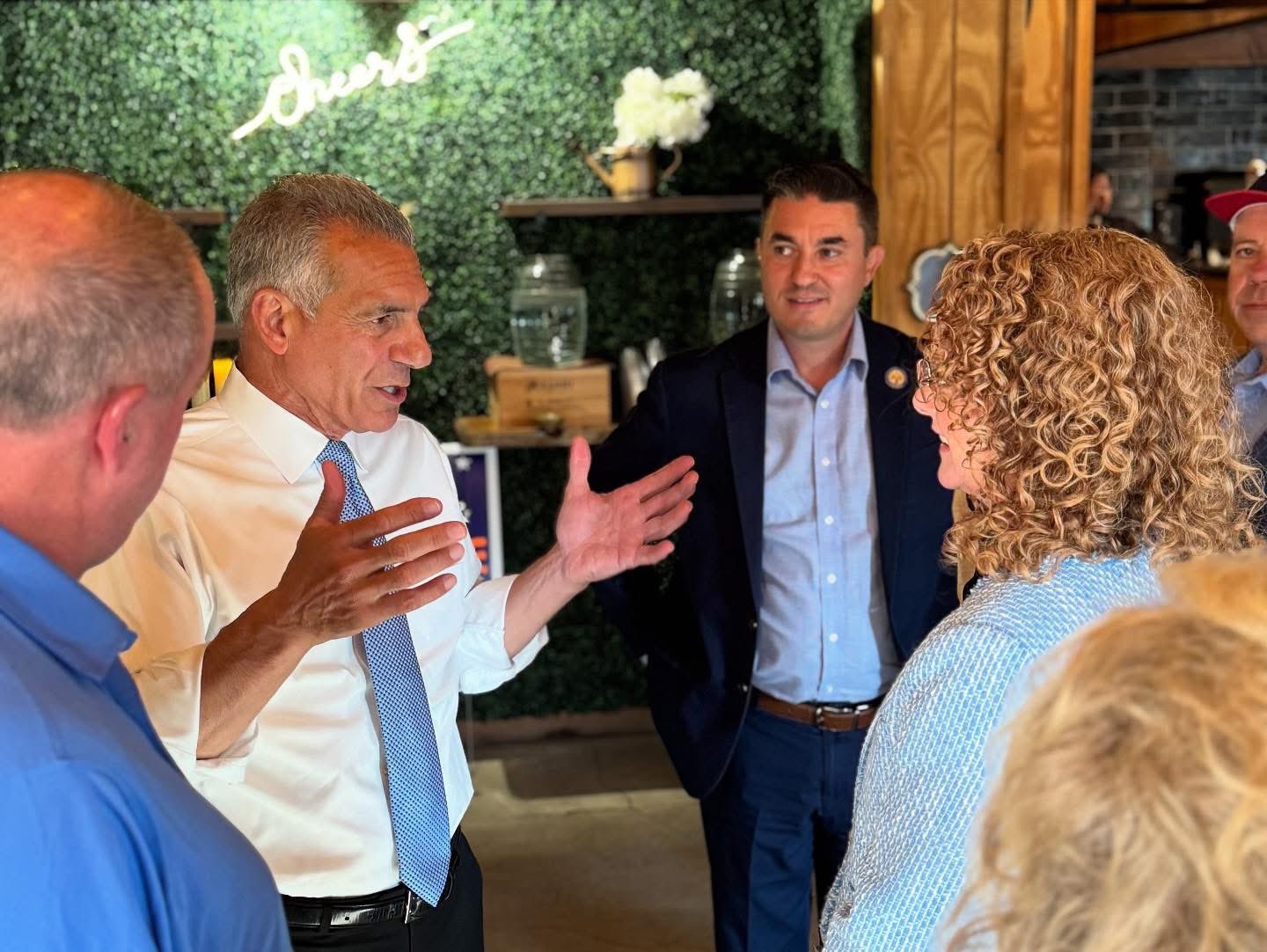
TRENTON, NJ – A growing list of Democratic officials has

JACKSON TOWNSHIP, NJ – A Jackson man running for township

BOSTON, MA — In one of the largest immigration enforcement

Holley breaks ranks, backs Ciattarelli over Sherrill in political shake-up

No kings protests sweep New Jersey as activists call for

Fox News’ Jessica Tarlov sparked laughter and debate Friday after
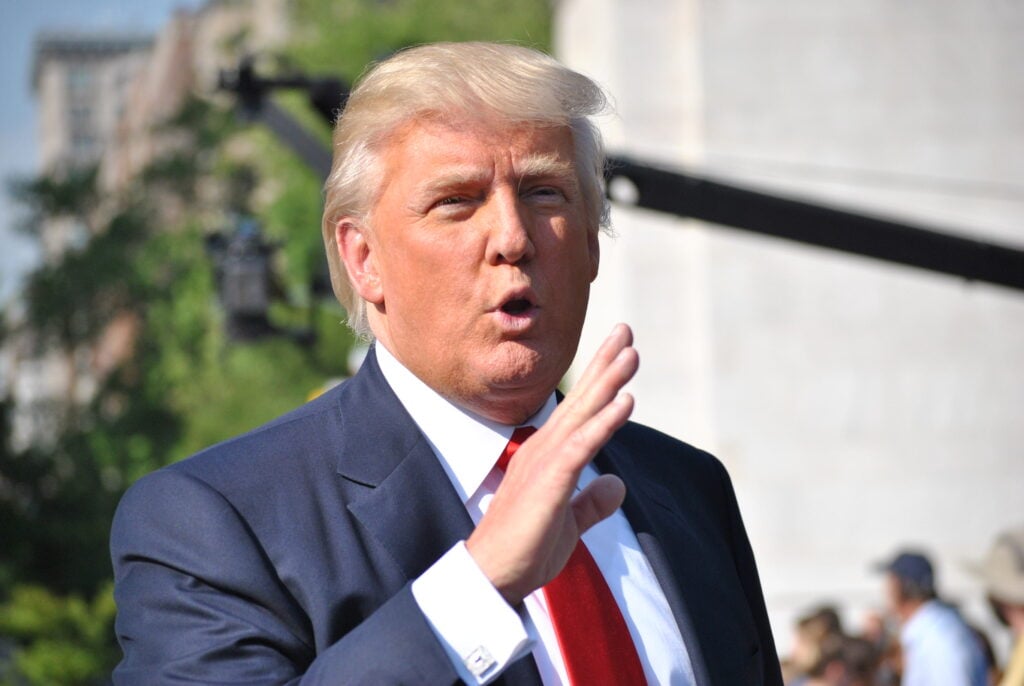
Former President Donald Trump issued a stern warning to Venezuelan

JACKSON, NJ – Jackson Township council candidate Chris Pollak is

NORTH BERGEN, NJ – A 43-year-old man has been arrested
JACKSON, N.J. – Jackson Township council candidate Chris Pollak is

Staten Island, NY – Staten Island artist and conservative activist

Dallas, TX – A 23-year-old man from Mexico living illegally

Miami, FL – A multinational voting technology company and several

Bethesda, MD – A federal grand jury has indicted former

Attorney General Platkin files lawsuit against EPA over termination of solar program for low-income households
TRENTON, NJ — New Jersey Attorney General Matthew J. Platkin, alongside 22 other plaintiffs, has filed a lawsuit against the U.S. Environmental Protection Agency (EPA) and EPA Administrator Lee Zeldin. This legal action concerns the illegal termination of a $7 billion program designed to provide solar energy to more than 900,000 households in low-income and disadvantaged communities across the country.
“The Trump Administration’s anti-environmental agenda is not only extreme and harmful, but also completely lawless,” said Attorney General Platkin. He added that the “President and his appointees cannot simply eliminate Congressionally-authorized programs on a whim.”
The Solar for All program was established by Congress in 2022 as part of the Inflation Reduction Act. It directed the EPA to grant competitive funds for deploying solar projects in underprivileged areas. By August 2024, the program’s funding had been fully awarded, with New Jersey and the other plaintiffs proceeding with project planning and stakeholder engagement.
However, in August, the EPA suddenly terminated the program and retracted the majority of the funds that had already been allocated. This decision left the plaintiff states without necessary resources to advance their solar initiatives despite their previous planning and commitments of state funds.
When taking office in January, President Trump focused on fossil fuel extraction while disregarding solar energy. In July, Congress passed the “One Big Beautiful Bill Act,” rescinding some funds for the Solar for All program. Although the EPA had previously allocated all project funding, it instead chose to terminate the program unlawfully on August 7.
Platkin and a coalition of states are pursuing legal recourse in the U.S. District Court for the Western District of Washington. They allege that the EPA’s actions violated the Administrative Procedure Act and the U.S. Constitution’s Separation of Powers Doctrine. Simultaneously, New Jersey and additional grant recipients have initiated a lawsuit in the U.S. Court of Federal Claims.
The complaint in the Federal Claims Court cites a breach of the agreements stemming from the funding cancelation. The plaintiffs seek monetary damages, interest, and fees.
Attorney General Platkin’s action represents a significant effort to uphold legal agreements aimed at providing affordable solar energy in New Jersey and other states impacted by the EPA’s termination of the program.
In a major pushback against federal actions, this lawsuit underscores the ongoing battle for access to clean energy for low-income households.