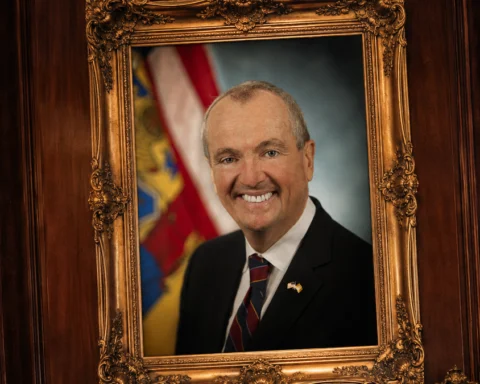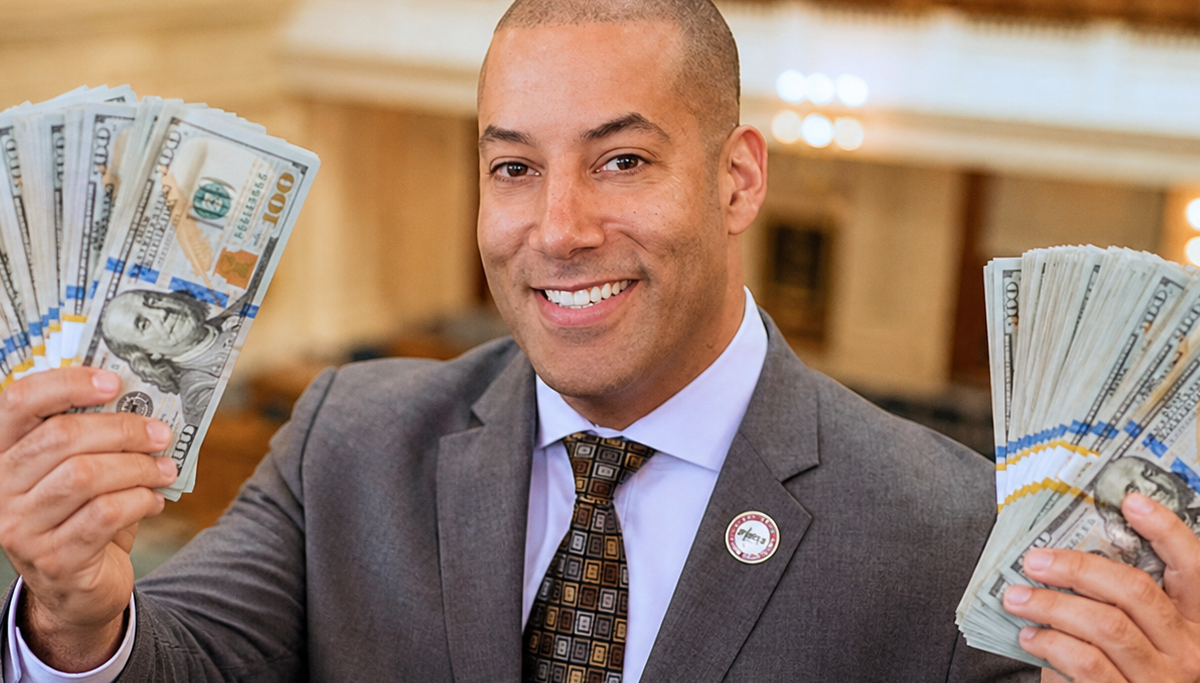
Trenton, NJ — Former New Jersey Education Association (NJEA) President Sean Spiller, whose union-backed gubernatorial campaign spent roughly $40 million before he finished fifth in the 2025 Democratic primary, is now at the center of a renewed debate over school funding—arguing the state’s 2% property tax cap is driving cuts across districts, not the state’s flawed funding formula and misappropriated funds statewide.
In a recent op-ed, Spiller said schools statewide are facing a “systemic breakdown,” pointing to layoffs, program eliminations, and even school closures as costs outpace the cap on local revenue growth.
His argument shifts the focus away from New Jersey’s school aid formula—often criticized for redistributing funds between suburban and urban districts—and instead targets what he calls an outdated fiscal constraint.
Spiller: Cap no longer matches economic reality
Spiller wrote that the 2% cap, originally designed to control property taxes, has become “a straitjacket” as districts face rising expenses well beyond that limit.
He cited transportation costs, healthcare premiums increasing as much as 15% to 30%, and inflation levels not seen in decades as key drivers of budget strain.
“When the price of every textbook, every gallon of heating oil, and every roof repair climbs by 6% or 8%, a 2% revenue cap… is a mandate for cuts,” Spiller wrote.
He is calling for targeted exemptions to the cap for costs districts cannot control, including transportation and employee health benefits.
New Jersey Schools Waste and Mismanagement
Lakewood, New Jersey stands out as one of the most significant school funding controversies in the state, combining both a major criminal incident and longstanding financial instability.
In 2025, approximately $15 million was stolen from district accounts in a cyber or financial breach, prompting an investigation and partial recovery of funds. Beyond that, the district has faced years of scrutiny over spending practices, particularly the high costs associated with transportation and special education services for a large private school population. These pressures, along with repeated deficits, led state officials to move toward taking control of the district, citing chronic mismanagement and structural financial issues rather than a single isolated case.
Elsewhere in New Jersey, problems have often centered on corruption tied to infrastructure, contracting, and broader fiscal oversight. In Newark, the Watershed Conservation and Development Corporation scandal involved officials accused of theft and bribery connected to water systems that affect schools, while a contractor in a lead pipe replacement program was accused of falsifying work reports while receiving more than $10 million.
A historical example in the Newark/Irvington area involved former Mayor Kenneth Gibson, who was indicted for bribery tied to a school construction project, highlighting risks in capital funding. In contrast, Montclair has not seen major criminal cases but has faced ongoing public scrutiny over spending efficiency, as high property taxes have not prevented budget cuts and layoffs, raising concerns about how effectively school funds are managed.
Yet more examples exist on all different scales and levels.
Lawmakers push back, cite campaign spending
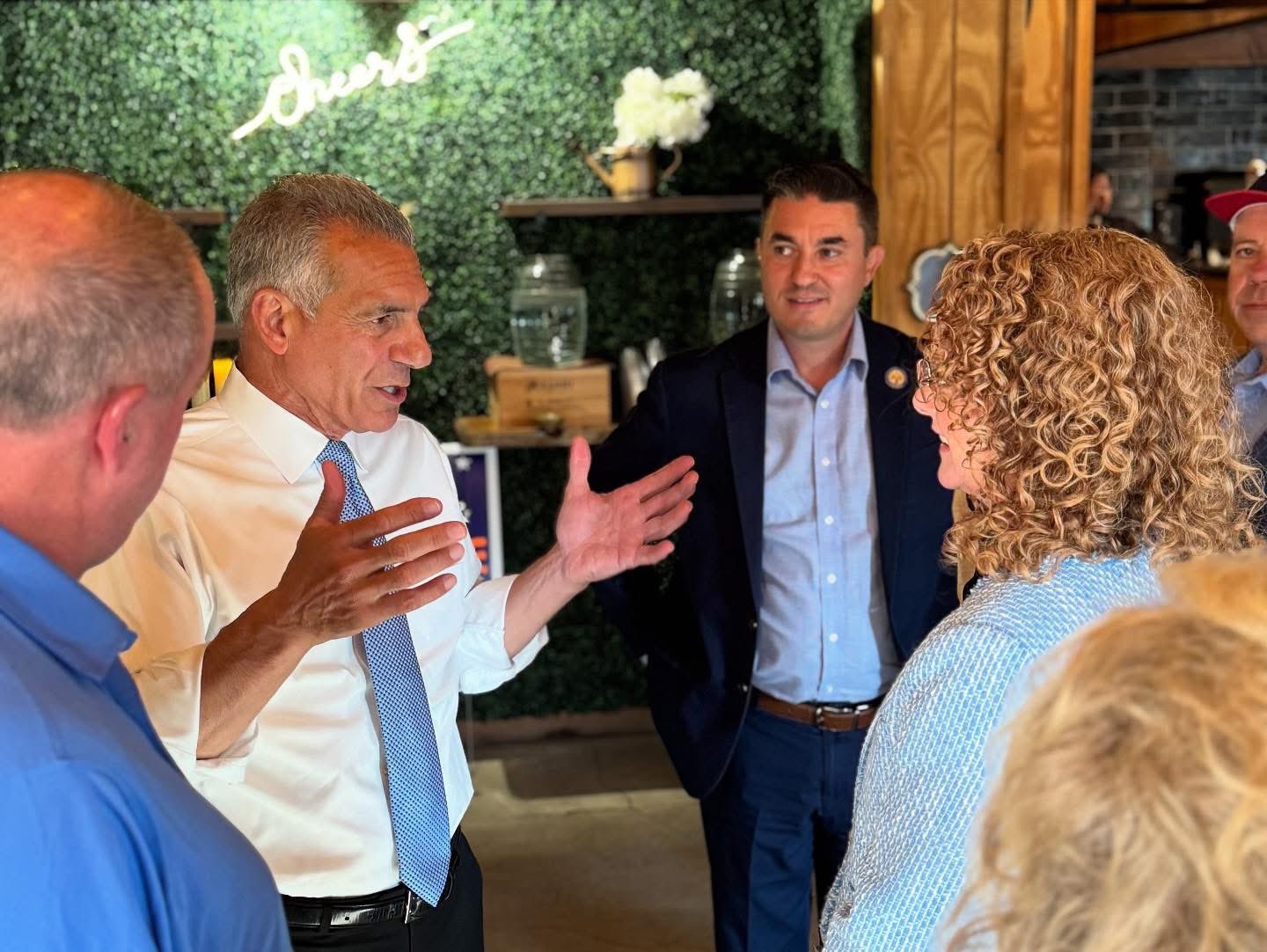
Assemblyman Alex Sauickie criticized Spiller’s position, tying it directly to the NJEA’s heavy financial backing of his gubernatorial run.
“This from a guy that spent $40 million of teachers’ union dues to promote himself in a dismal gubernatorial campaign,” Sauickie posted on social media. “His solution? Raise property taxes!”
—
Key Points
• Former NJEA President Sean Spiller spent $40M in 2025 governor’s race, finished fifth
• Now argues NJ’s 2% tax cap—not aid formula—is driving school cuts
• Lawmakers push back, warning changes could raise property taxes
—
Debate shifts from aid formula to tax limits
For years, New Jersey’s school funding debates have centered on how state aid is distributed. Spiller’s argument reframes the issue, suggesting that even well-funded districts cannot keep pace if revenue growth is capped below real-world cost increases. It’s clear state Democrats and the NJEA aren’t willing to budge on the matter given Spiller’s stance in his op-ed, now being echoed across the state by other prominent pro-NJEA Democrats who see raising taxes as the only viable option forward.
He warned that without changes, districts will continue cutting programs, increasing class sizes, and reducing services—potentially undermining the state’s reputation for strong public schools.
Competing priorities: affordability vs. school funding
Supporters of the 2% cap argue it remains a critical safeguard in a state already burdened with some of the highest property taxes in the country. Any loosening of the cap, they say, risks further financial strain on homeowners. Spiller counters that failing to act could have broader consequences, including declining home values and reduced economic competitiveness if school quality erodes. It’s a fear tactic, some say, that will simply lead to New Jerseyans across the state paying even more in taxes each year, for less services.