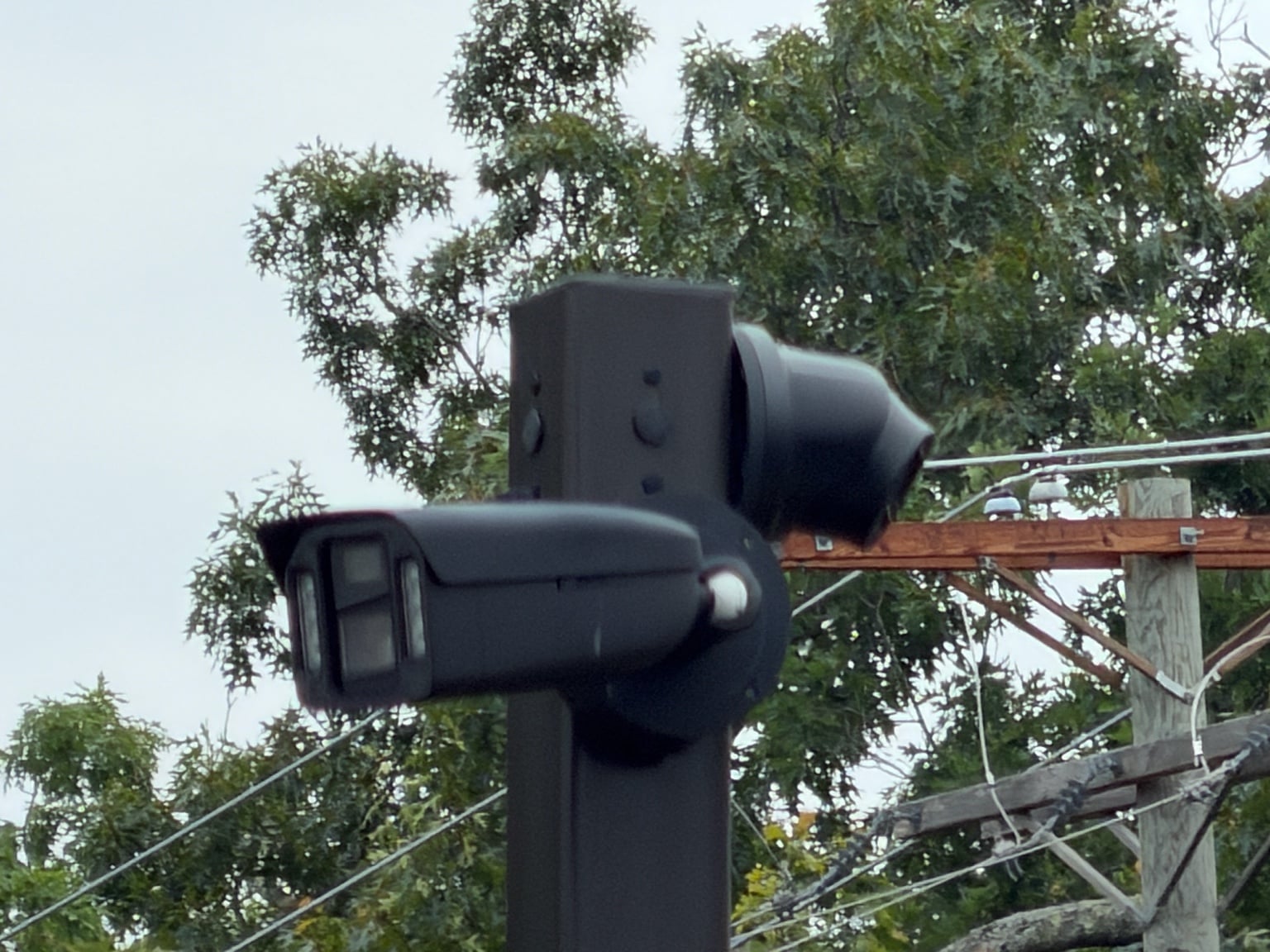
TRENTON, NJ – Drivers across New Jersey are increasingly passing beneath automated license plate reader cameras without realizing it. Many of those cameras are part of the expanding Flock Safety network, a system used by police departments and now, even private organizations to help track you, but also to investigate crimes, locate stolen vehicles, and identify suspect vehicles after incidents.

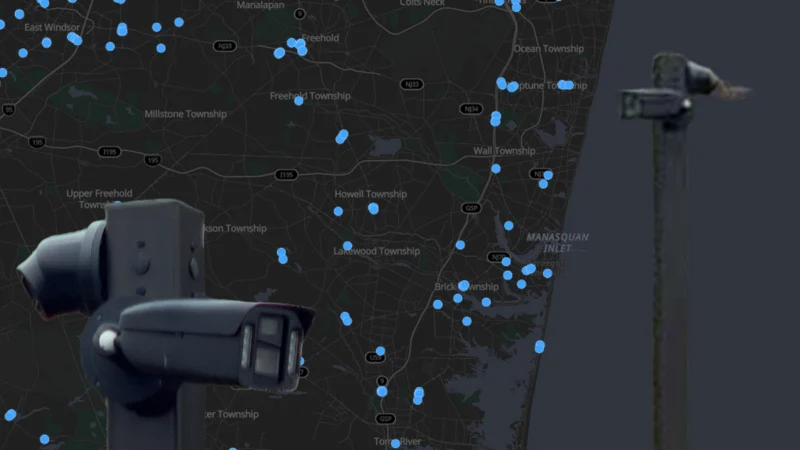
As the number of cameras continues to grow statewide, a new community-driven tool called DeFlock is drawing attention by allowing residents to search an interactive map that identifies known Flock camera locations in neighborhoods across the country, including hundreds throughout New Jersey.
In Ocean County, that number continues to grow and after one camera operated by Brick Township was vandalized, it drew attention to others operating in the area.
Why police agencies are using Flock cameras
Unlike traditional traffic cameras, Flock Safety cameras are designed to capture a photograph of the rear of a passing vehicle, recording its license plate number along with characteristics such as the vehicle’s make, model, color, and distinguishing features. The cameras are not intended to identify drivers or passengers, although in many instances, they can.
Law enforcement agencies say the technology has become an important investigative tool because it allows detectives to quickly determine whether a vehicle was in a particular area during a specific time frame. The information can then be compared against reports involving stolen vehicles, missing persons, wanted suspects, or other criminal investigations.
“Flock Safety is designed to help communities thrive by giving law enforcement objective evidence while maintaining strong privacy protections,” the company says on its website. “Vehicle data is never sold, and access is restricted to authorized agencies investigating crime.”
But what about when those agencies are not public agencies? In Jackson, Toms River, and other towns, Flock cameras are being used by residents to monitor who goes in and out of certain neighborhoods.
In Jackson, privately owned Flock cameras track and monitor everyone who goes into the public neighborhood of Royal Grove, a growing Orthodox Jewish neighborhood.
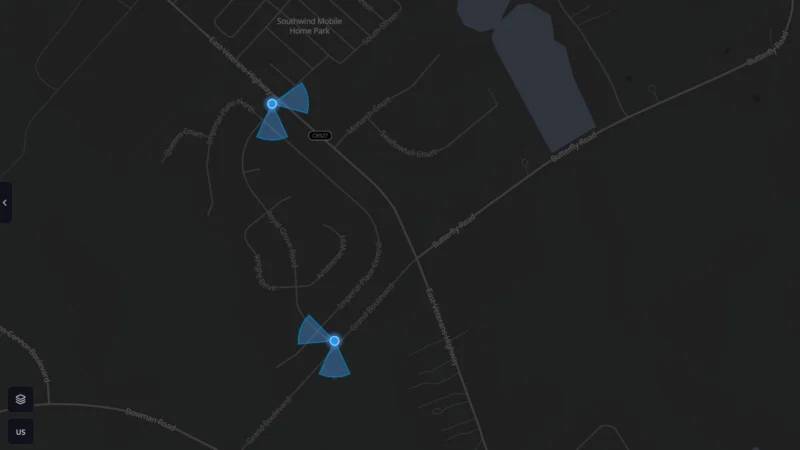
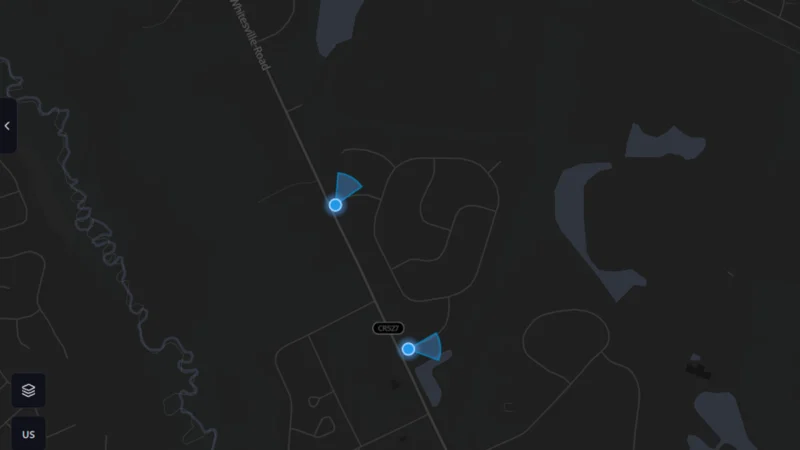
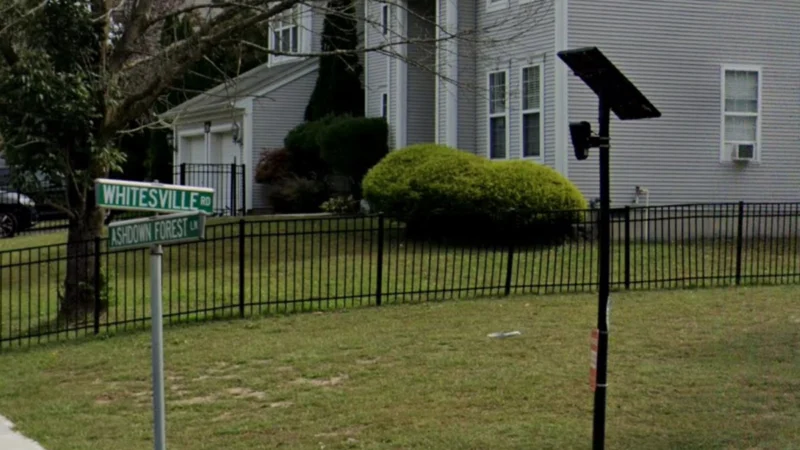
South of Jackson, two Flock cameras operate on Whitesville Road in Toms River at the intersections of Ashdown Forest and Walden Woods, capturing data on anyone entering and exiting that growing Orthodox Jewish enclave.
According to Flock Safety, images captured by its cameras are generally retained for 30 days before being automatically deleted unless preserved as evidence in an active criminal investigation.
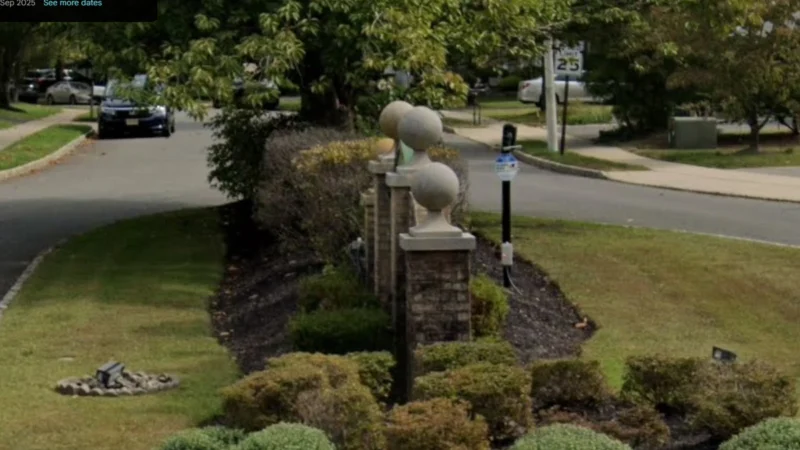
Toms River has many Flock cameras, but they are mostly used in privately owned commercial parking lots and private communities.
Neither Jackson nor Toms River townships have deployed Flock cameras.
Ocean County Sheriff Michael Mastronardy routinely deploys his own county-owned mobile camera and license plate tracking trailers throughout the county.
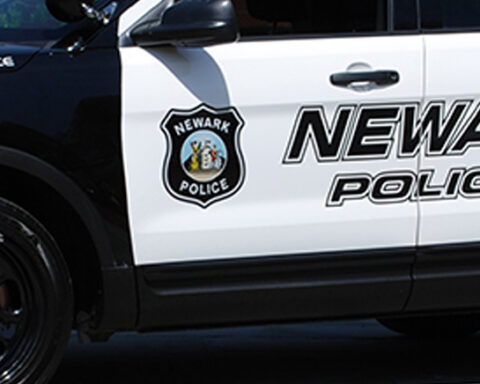
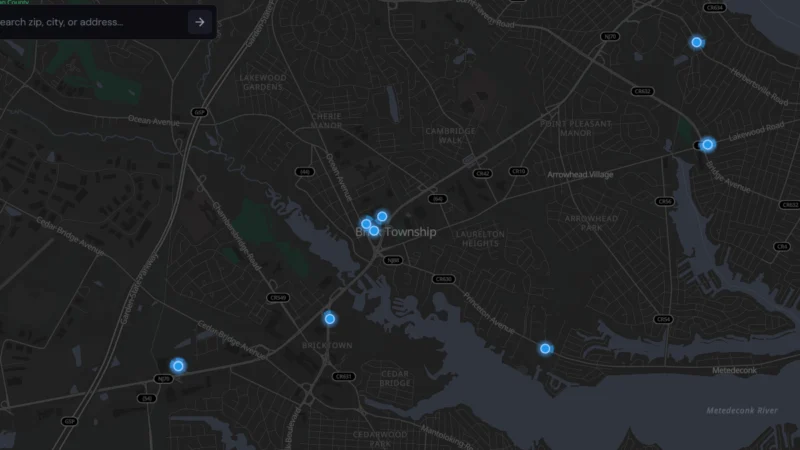
Brick Township has come under fire for its use of Flock cameras to track the public. There, the township operates the cameras. Flock Safety automated license plate reading cameras. The Brick Township Police Department has utilized these surveillance systems since May 2024 to monitor traffic data and help locate stolen vehicles.
Approximately half a dozen cameras are installed at busy intersections and major roadways throughout the municipality, such as near Drum Point Road and Hooper Avenue
Why there are so many cameras in New Jersey
New Jersey has become one of the nation’s fastest-growing markets for automated license plate readers. The state’s dense road network, numerous interstate highways, and close proximity to New York City and Philadelphia make it a frequent corridor for both commuters and criminal investigations.
Many municipalities have also received state or federal grants that help offset the cost of purchasing and installing the systems. In several counties, neighboring police departments participate in regional camera-sharing agreements that allow investigators to search data collected by cameras owned by other agencies.
Supporters argue that the broader the camera network becomes, the more useful it is when investigators are attempting to reconstruct a suspect’s movements after a violent crime or locate a vehicle connected to an Amber Alert.
The New Jersey Office of the Attorney General has issued guidance governing the use of automated license plate readers, requiring agencies to establish policies addressing access, auditing, retention, and permissible use of collected information.
Privacy advocates raise concerns
The rapid expansion of the technology has also fueled debate among civil liberties organizations and privacy advocates.
The American Civil Liberties Union has argued that widespread deployment of automated license plate readers creates the potential for long-term tracking of innocent motorists. In reports examining the technology, the organization has warned that extensive camera networks can reveal where people live, work, worship, seek medical care, or attend political events.
Electronic Frontier Foundation Senior Staff Technologist Cooper Quintin has similarly warned that large-scale license plate databases can enable mass surveillance if safeguards are not properly enforced.
Flock Safety has consistently rejected the characterization that its system enables continuous surveillance.
“We built Flock to protect communities while protecting privacy,” the company states. “The system is focused on objective vehicle information—not people—and agencies control access under strict audit requirements.”
DeFlock maps camera locations
One of the newest tools available to residents is DeFlock, an open-source project that maintains a publicly accessible map of known Flock Safety camera locations across the United States.
You can visit deflock.org to download the app.
The project says its goal is to improve transparency by helping people understand where automated license plate reader systems have been installed.
“Our mission is to document the growing network of automated license plate reader cameras,” DeFlock states on its website. “Communities deserve transparency about surveillance infrastructure in public spaces.”
The interactive map allows users to search by address or community to determine whether cameras have been identified nearby. The project relies on public records requests, community submissions, and field verification, and notes that its database may not include every installed camera or reflect every recent installation.
While law enforcement agencies generally publish camera policies rather than exact installation locations, many camera placements can also be identified through public records, municipal documents, or visual observation.
Why it matters
For many residents, the debate surrounding license plate readers reflects a broader discussion about balancing public safety with personal privacy.
Police departments maintain that the systems provide valuable investigative evidence without continuously monitoring individuals. Privacy advocates counter that even data collected for legitimate investigations can create concerns if access expands or retention policies change over time.
As more communities adopt the technology and tools like DeFlock make camera locations easier to identify, public awareness of automated license plate reader networks is likely to continue growing.
Residents interested in checking whether known Flock cameras are located near their home or regular travel routes can search the DeFlock interactive map at deflock.me. The project notes that the database is continuously updated but may not represent every camera currently operating.