New York, NY — A growing feud over who owns and pays for moving World Cup crowds from New York City to MetLife Stadium is spilling into public view after New York Gov. Kathy Hochul mocked projected $150 train fares, escalating tensions with New Jersey leaders and FIFA ahead of the 2026 tournament.
The flashpoint came after Hochul’s press office posted “$150 to get there is crazy,” reacting to reports that round-trip rail tickets between Manhattan and the stadium in East Rutherford, New Jersey, could reach that price point. The comment lands as New Jersey faces an estimated $48 million transportation bill tied to hosting matches—including the final—at MetLife Stadium.
Cost fight widens beyond ticket prices
At the center of the dispute is who should absorb the mounting transit costs tied to one of the world’s largest sporting events.
New Jersey officials argue taxpayers and daily commuters should not shoulder the burden. Gov. Mikie Sherrill has pushed for FIFA—projected to generate billions from the tournament—to contribute to transportation funding rather than relying on state resources.
The disagreement has drawn in federal lawmakers from both states, adding pressure on FIFA to reconsider its role in funding logistics.
Branding dispute fuels frustration
Tensions are not limited to finances.
New Jersey leaders have also objected to FIFA’s use of branding like “New York New Jersey Stadium” and “New York World Cup,” despite all scheduled matches taking place at MetLife Stadium in New Jersey.
That naming approach has triggered criticism that the host state is being overshadowed while still expected to handle much of the operational cost.
—
Key Points
• Hochul criticizes projected $150 train fares to MetLife Stadium
• New Jersey faces estimated $48M transit cost for World Cup logistics
• Officials demand FIFA help cover expenses amid branding tensions
—
Transit plans raise commuter concerns
Transportation logistics are adding another layer of strain to the dispute.
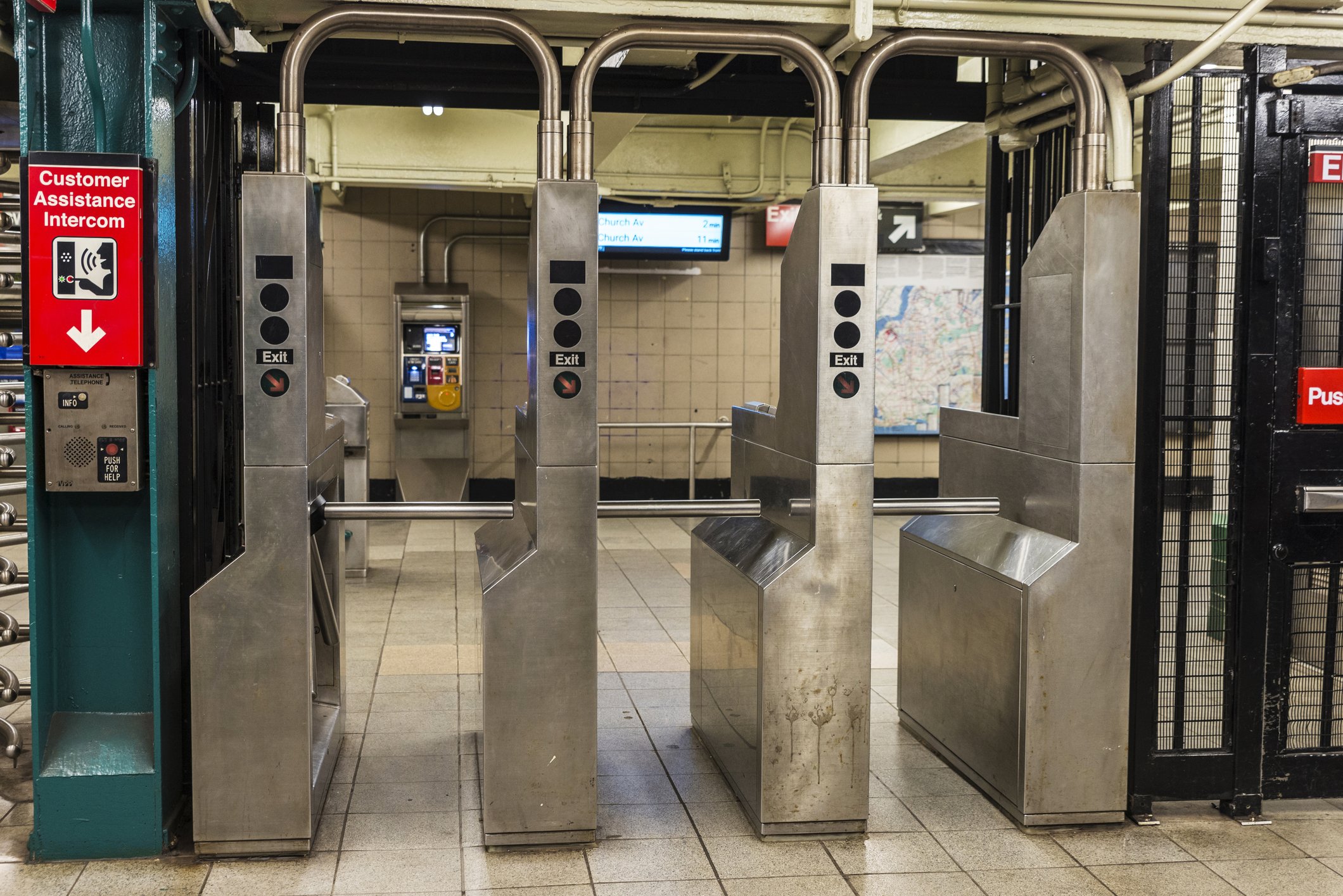
Reports indicate FIFA has pushed for limited or no parking at the stadium during the tournament, which would force most fans onto rail systems. That shift is a major factor behind the projected spike in ticket prices.
There are also concerns about how increased demand could affect everyday commuters, including the possibility of service disruptions or station closures to accommodate event traffic.
FIFA response and unresolved questions
FIFA has reportedly expressed surprise at the backlash, maintaining that transportation and operational expectations were outlined in earlier agreements with host cities.
But New Jersey officials argue those agreements did not account for the current scale of projected costs—or the imbalance in who pays versus who profits.
What comes next
With just over a month until the 2026 World Cup, negotiations over funding, logistics, and branding remain unresolved.
The dispute now spans governors, members of Congress, and international organizers, raising questions about how one of the tournament’s marquee venues will manage crowds without placing added strain on local infrastructure.
For now, no final agreement has been announced on who will cover the transportation costs or whether ticket prices will be adjusted.