
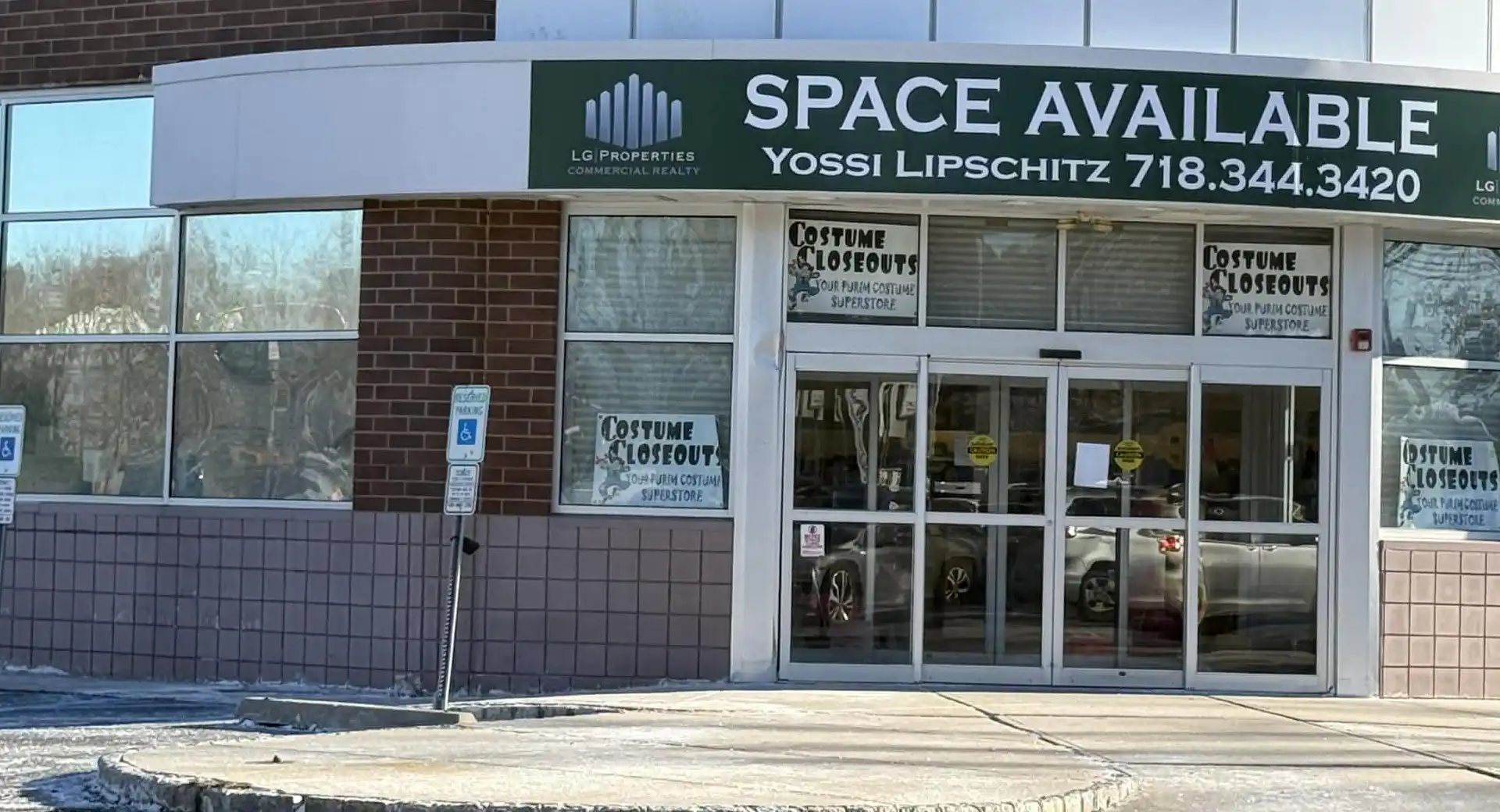
JACKSON, NJ – Jackson Crossing, a retail project built in the early 2000s by land developer Vito Cardinale and Cardinale Enterprises, now sits largely vacant. A few cars remain parked in front of the Jackson Diner, and there is steady traffic at the McDonald’s drive-through, but aside from the occasional cut-through driver, much of the plaza feels deserted. Nearby, customers continue to fuel up at Wawa or stop at the liquor store across the street, yet the once-active shopping center itself has quieted dramatically.
The usually bustling intersection of South Hope Chapel Road and East Veterans Highway is now often free of traffic. Just 24 hours earlier, it may have felt like a busy commercial hub. Today, however, a different reality has taken hold.
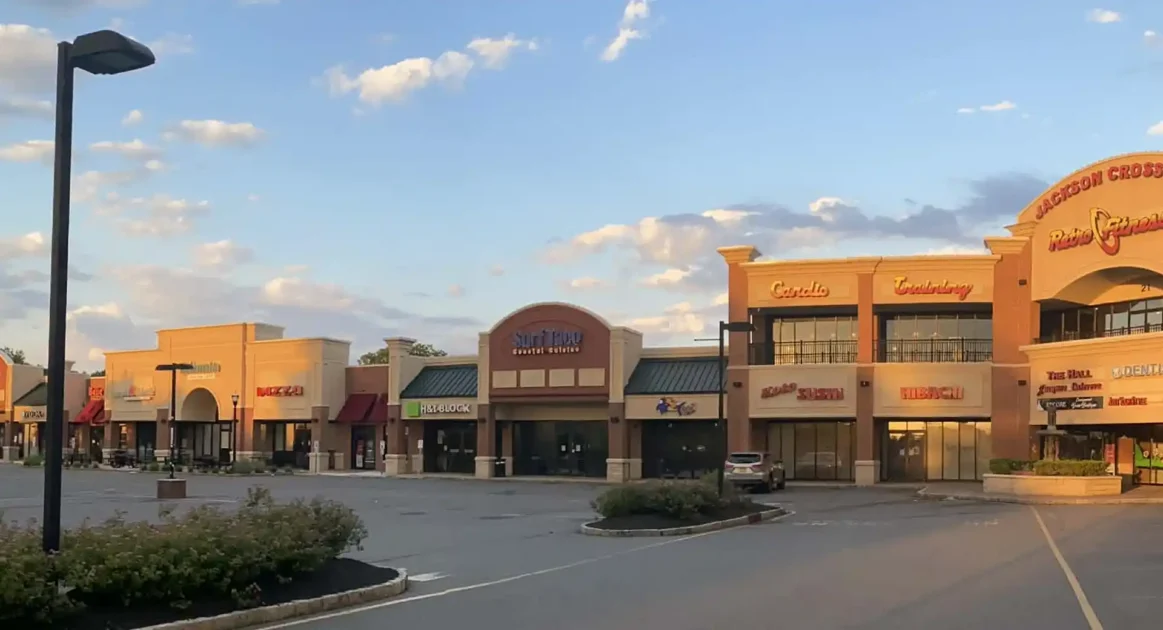
Most of the familiar establishments that once defined Jackson Crossing have closed. In their place are kosher restaurants and retail shops that cater largely to Jackson’s growing Orthodox Jewish population. Aside from the Jackson Diner — long considered one of the last non-kosher establishments at the intersection — the shift in the plaza’s commercial identity is unmistakable, particularly on Saturdays when many storefronts operate on a different rhythm.
A look back at the plaza’s history reveals how dramatically the landscape has changed.
A.I. Stone
The space at the northeast corner of the plaza has undergone multiple transformations. It originally opened as Scorpio’s, a short-lived steakhouse, before becoming a bar known as 21 South. Over the years, it also operated as Fan’s and later as Cornerstone Kitchen and Tap. After Cornerstone closed, the plaza entered its most significant period of transition. Today, the space is home to A.I. Stone, a men’s suit store.
The Former Karate Dojo
Next door, a longtime karate school once served generations of Jackson families. The dojo, owned by Master Eric Alders and his father Paul, was for years one of the township’s most popular martial arts programs for children and adults. Following the COVID-19 pandemic shutdowns, however, the business did not reopen. According to those familiar with the situation, rent disputes and pandemic-related restrictions made continued operations unsustainable. The storefront now houses a children’s clothing shop geared toward the Orthodox community.
From Pop’s Ice Cream to Joseph and David
Pop’s Ice Cream was among the first local shops to compete directly with Farley’s, another well-known Jackson ice cream destination. After a successful run, Pop’s was replaced by Let’s Yo, a frozen yogurt shop. Let’s Yo later generated controversy when it transitioned its menu to kosher offerings, removing certain toppings and replacing them with kosher-certified alternatives. The move sparked debate among customers and became an early example of how businesses at the plaza were navigating demographic shifts.
Although multiple factors contributed to Let’s Yo’s eventual closure, the episode highlighted the broader cultural and commercial changes underway. The space later cycled through several juice concepts before becoming Joseph and David, a fully kosher juice bar that eventually relocated within the plaza after Surf Taco closed.
Surf Taco
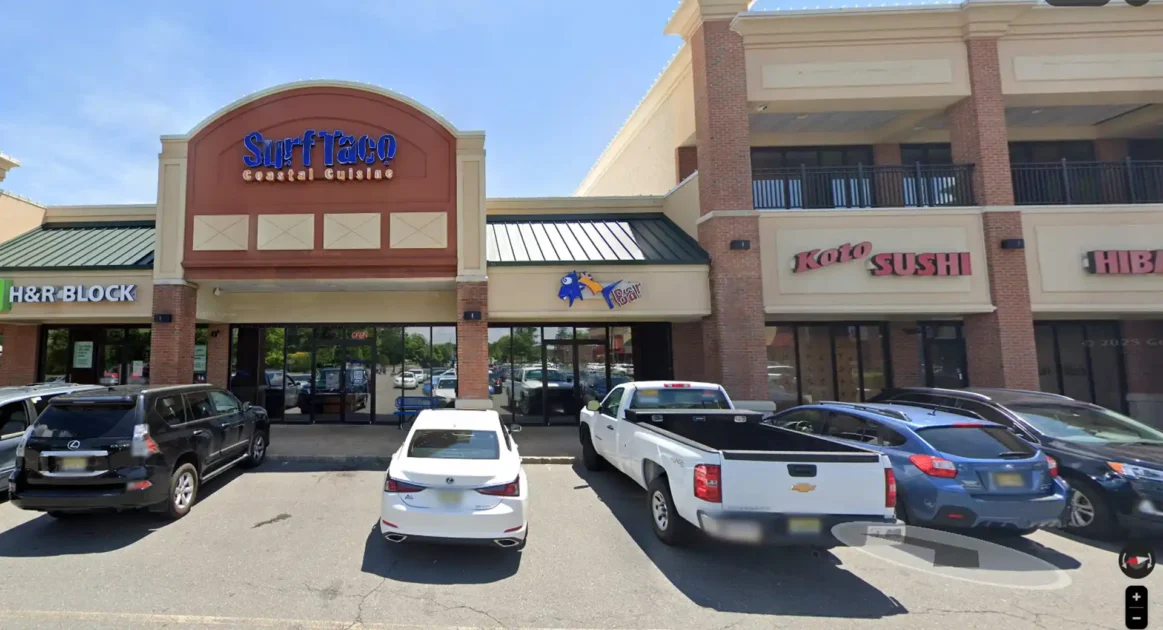
Surf Taco was one of Jackson Crossing’s most popular destinations, especially among high school students and young adults. The regional chain brought consistent foot traffic and energy to the plaza. However, pandemic-related challenges, combined with reported landlord disputes, ultimately led to its departure. Despite rumors that circulated on social media regarding the prolonged closure, the end result was clear: Jackson lost one of its most frequented casual hangouts.
Ray’s Real Pizza to Kalamata
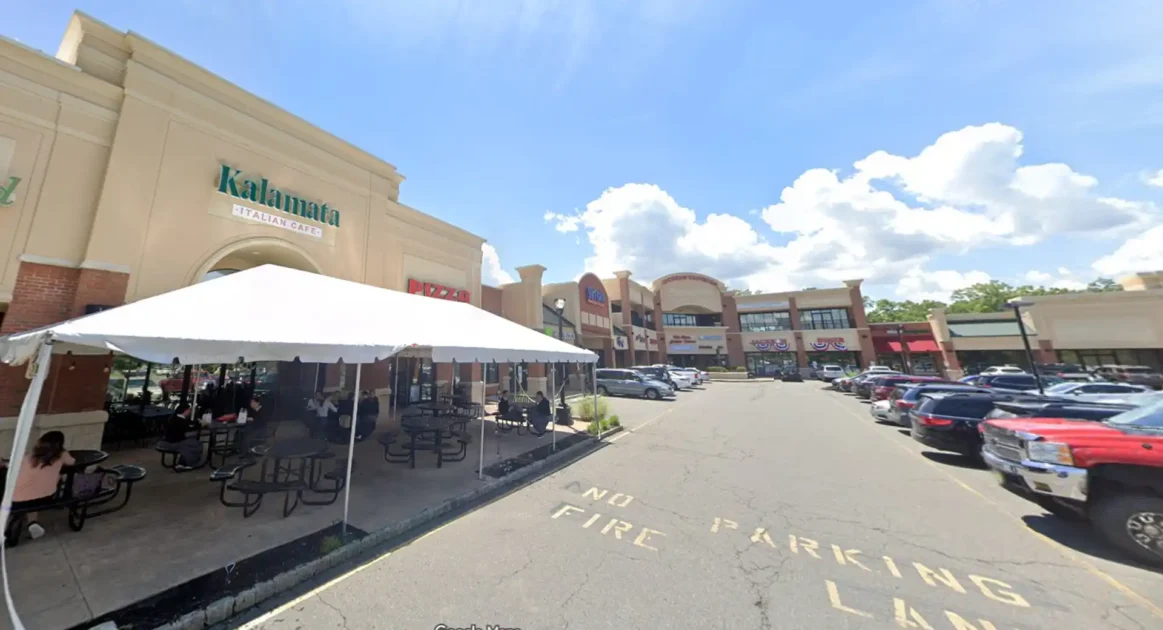
Ray’s Real Pizza, owned by a couple who introduced a distinctive pizza concept to the area, eventually changed hands. The location reopened as Kalamata, a kosher pizzeria and dairy restaurant. Today, Kalamata operates as a busy and popular establishment, reflecting the plaza’s evolving customer base.
Koto Sushi and Hibachi
Koto Sushi and Hibachi, once the only Japanese restaurant in town, managed to survive the height of the pandemic but struggled in its aftermath. According to its former general manager, known to many simply as “Frankie,” financial pressures mounted as the customer base shifted and revenue failed to keep pace with operating costs. Alleged rent disputes further strained the business, and Koto ultimately closed, marking the end of another longtime staple.
Rite-Aid to Purim Popup
Rite-Aid and Walgreens occupied a large pad site on the property since the day the plaza opened, but during the company’s restructuring process, it decided to shut down the Jackson location. Today, it’s operating as a Purim pop up store, similar to Spirit Halloween. There have been no announcements to date as to what will become of the building after the Purim holiday, celebrated by the Orthodox community.
The Jackson Diner
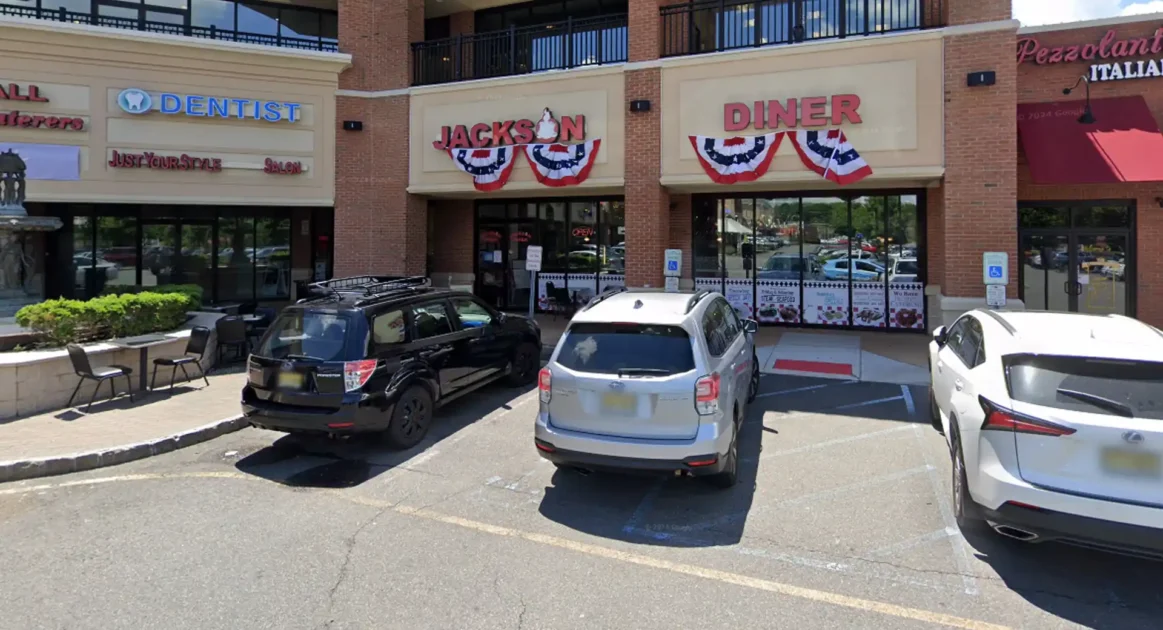
The Jackson Diner remains one of the plaza’s most recognizable establishments. Despite periodic rumors on social media suggesting it might close, the diner has stated it has no plans to shut down. For many longtime residents, it stands as one of the last reminders of the plaza’s earlier era.
Other Closures Over the Years
Several other businesses have come and gone over the years. Pezzolante’s Italian deli closed after demographic changes made operating a non-kosher specialty store increasingly difficult. Non-restaurant tenants, including Dee-Dee’s Doodles, a paint store, and Play N Trade, a video game shop, also eventually shuttered.
While some businesses, such as the Eye Center and H&R Block, have weathered the changes, the overall character of Jackson Crossing has transformed significantly. A resident who left Jackson just a decade ago would likely find the plaza nearly unrecognizable today — a commercial center reshaped by economic pressures, the pandemic, and shifting demographics.