
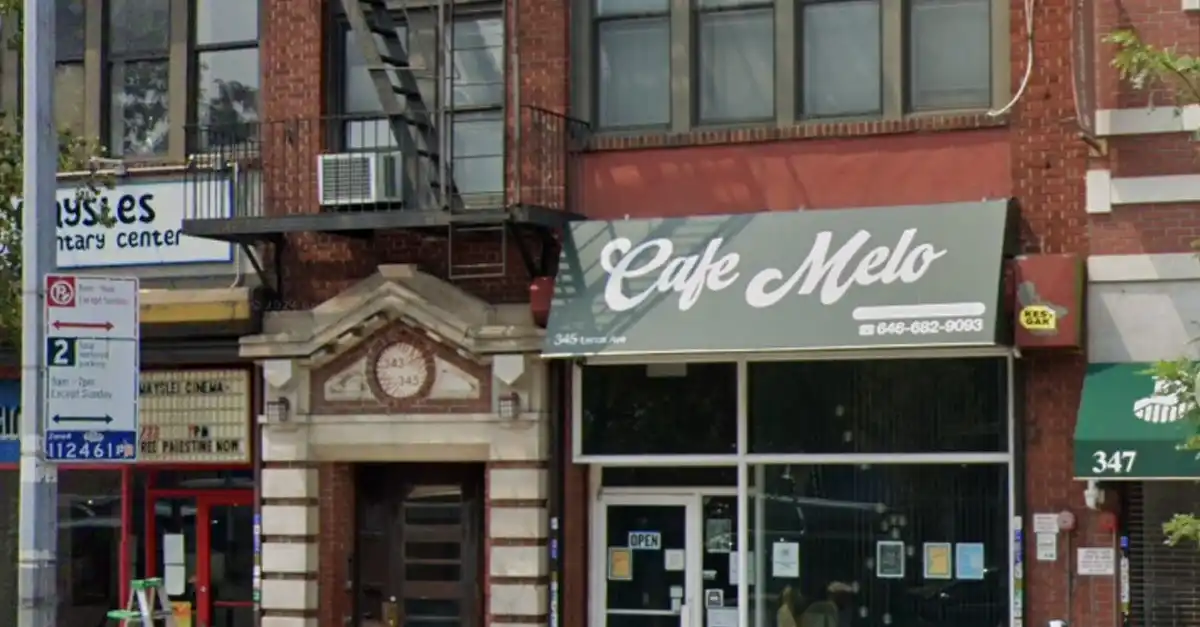
New York, NY – A federal judge in Manhattan has rejected a request from a woman seeking to remain anonymous in a high-stakes cyber dispute brought by a New York café, ruling that reputational concerns alone do not justify hiding a litigant’s identity from the public record.
U.S. District Judge Gregory H. Woods of the Southern District of New York denied a motion by an unnamed individual who expects to be identified as the defendant in Grow Universe Inc. d/b/a Café Melo v. Jane Doe. The café alleges that the woman unlawfully accessed and deleted its Google business account, destroying proprietary data and disrupting operations.
The plaintiff filed the lawsuit on March 5, 2025, asserting claims under the Computer Fraud and Abuse Act and the Defend Trade Secrets Act, as well as state-law claims for conversion and tortious interference. After obtaining subpoenas to trace the IP addresses involved, the café linked the activity to an account registered through Charter Communications, known as Spectrum.
The subscriber, identified only as “Movant” in court filings, sought to proceed anonymously if named as a defendant, claiming that disclosure of her identity would cause reputational harm. Judge Woods disagreed, emphasizing that the “strong presumption of openness” in judicial proceedings outweighs generalized fears of embarrassment.
Court affirms transparency in civil cases
In denying the motion, Judge Woods cited long-standing precedent from the Second Circuit that parties must litigate under their real names except in extraordinary circumstances. The judge noted that the case involves private commercial conduct, not matters of sexual assault, medical privacy, or political persecution, which sometimes warrant anonymity.
The court also observed that the dispute turns on contested factual issues and credibility, meaning that the defendant’s identity will likely be relevant to the proceedings. “Movant identifies only the ordinary reputational consequences attendant to civil litigation,” Judge Woods wrote, finding that insufficient to overcome Rule 10(a)’s requirement to name all parties.
- Café Melo accuses the defendant of hacking and deleting its business email
- Judge Woods denied the motion to proceed anonymously
- The case continues under the presumption of public disclosure
Café Melo previously secured court approval to subpoena both Google and Spectrum for information tied to the unauthorized logins. After the woman’s failed effort to block disclosure, she now faces the prospect of being formally named as a defendant when the café amends its complaint.
The ruling reinforces the judiciary’s preference for transparency, underscoring that anonymity in civil litigation remains a rare exception reserved for exceptional cases.