
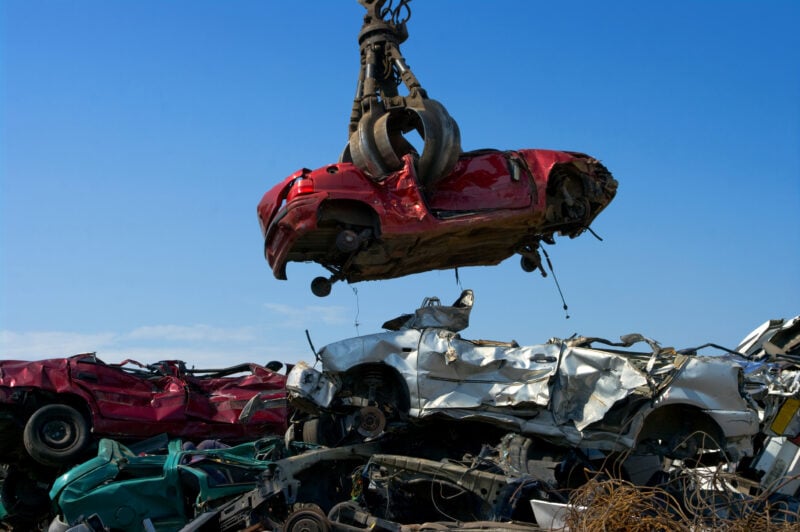
State aligns with aggressive emissions goals as debate over gas vehicle phaseout grows. Sherrill backs Murphy-era clean car push as NJ joins climate alliance efforts.
Trenton, NJ – Governor Mikie Sherrill’s decision to bring New Jersey into the U.S. Climate Alliance is reinforcing the state’s existing trajectory toward phasing out gasoline-powered vehicles, building on policies first advanced under former Governor Phil Murphy. The move signals continued support for aggressive emissions reduction targets, particularly in the transportation sector, which remains one of the largest sources of greenhouse gases in the state.
Sherrill framed the decision as part of a broader strategy to lower emissions and energy costs while aligning New Jersey with a coalition of states pursuing coordinated climate action. “Together with a strong coalition of states across the country, we will tackle some of the most pressing challenges we face… lowering utility costs by investing in clean, cheap power generation,” Sherrill said.
Alliance goals focus ten year phase out of gas cars
While critics have characterized state-level policies as a “gas car ban,” the U.S. Climate Alliance does not mandate a nationwide prohibition by 2030. Instead, member states are working toward a longer-term transition through policies like California’s Advanced Clean Cars II (ACC II) framework. New Jersey’s policy under Phil Murphy has been a phased out sale of gasoline powered vehicles by 2035, taking the Alliance doctrine at its word.
Under ACC II, which multiple alliance states have adopted, 100% of new light-duty vehicle sales must be zero-emission by 2035. The policy sets incremental targets leading up to that deadline, aiming to steadily reduce reliance on gasoline-powered cars rather than eliminate them abruptly.
According to the New Jersey Monitor, New Jersey will ban the sale of new gas-powered light-duty vehicles by 2035,requiring all new car sales to be zero-emission electric vehicles (EVs). The policy, known as “Advanced Clean Cars II,” requires manufacturers to phase in sales, starting with 43% of new light-duty vehicles being electric by 2027, rising to 100% by 2035.
Key Aspects of the 2035 Gas Vehicle Sale Ban:
- Scope: The rule applies specifically to new passenger cars and light-duty trucks.
- Existing Vehicles: Ownership, sale, or use of currently owned gasoline-powered vehicles will not be banned, and residents can continue to drive them.
- Used Cars: The regulation does not prohibit the sale of used gasoline-powered cars.
- Goal: This initiative, adopted by the Murphy administration, aims to combat climate change, as vehicle emissions represent the largest source of greenhouse gases (37%) in the state.
- Regional Alignment: New Jersey is adopting rules similar to California.
Key Points
- New Jersey joins U.S. Climate Alliance, reinforcing emissions reduction policies
- Alliance-backed plan targets 100% zero-emission new car sales by 2035.
- Debate continues over cost, feasibility, and impact of transitioning away from gas vehicles
The Climate Alliance’s broader benchmark calls for reducing greenhouse gas emissions by 50–52% below 2005 levels by 2035. Transportation policy is central to that goal, with states encouraged to expand electric vehicle adoption, build charging infrastructure, and tighten emissions standards.
Policy builds on Murphy administration framework
New Jersey had already begun aligning with California’s vehicle standards under the Murphy administration, positioning the state among those pursuing stricter emissions rules. Sherrill’s entry into the alliance formalizes that direction within a multi-state coalition that represents more than half of the U.S. population.
The alliance has also pushed for stronger federal action, urging the Environmental Protection Agency to adopt emissions standards that support 2035 climate targets while allowing states to implement their own stricter rules.
Debate grows over cost and consumer impact
The transition has drawn criticism from some industry groups and policymakers who argue the accelerated shift toward electric vehicles could increase costs and limit consumer choice. Supporters, including alliance members, argue the policies are necessary to meet climate targets and reduce long-term environmental and public health risks.
The Climate Alliance maintains that expanding zero-emission vehicle access and infrastructure will help balance affordability concerns while advancing emissions goals.
As New Jersey deepens its involvement with the coalition, the state is expected to continue implementing policies aimed at increasing electric vehicle adoption and reducing reliance on fossil fuels in the years leading up to the 2035 benchmark.