
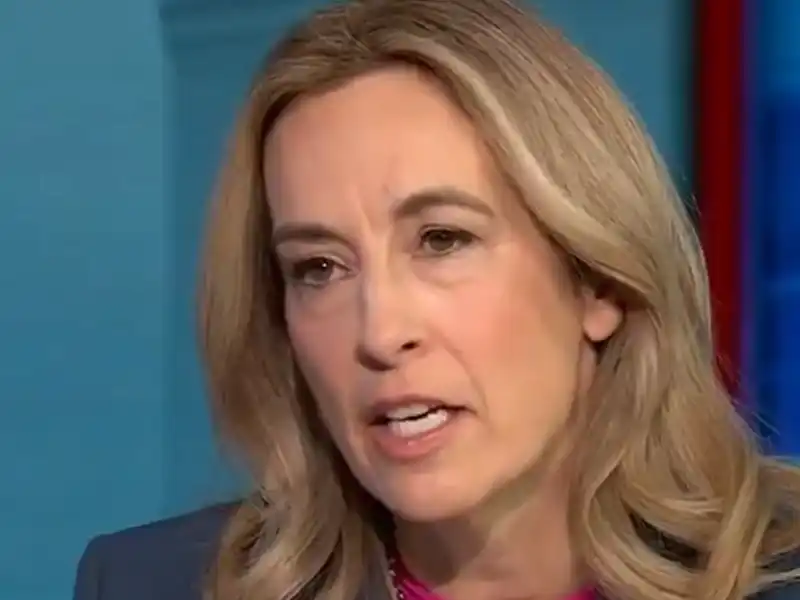
NJ joins climate, health, and reproductive alliances under Gov. Sherrill
Trenton, NJ – New Jersey has joined three multistate coalitions focused on climate policy, public health, and reproductive rights, Governor Mikie Sherrill announced this week, aligning the state with a broad network of governors coordinating policy across the country. The move places New Jersey into the U.S. Climate Alliance, the Governors Public Health Alliance, and the Reproductive Freedom Alliance.
“I’m proud to announce that New Jersey has joined the U.S. Climate Alliance, the Governors Public Health Alliance, and the Reproductive Freedom Alliance,” Sherrill said. “Together with a strong coalition of states across the country, we will tackle some of the most pressing challenges we face — protecting reproductive care, strengthening public health, and lowering utility costs by investing in clean, cheap power generation.”
Multi-state coalitions target climate and healthcare policy
The U.S. Climate Alliance is a bipartisan coalition of 24 governors committed to reducing greenhouse gas emissions in line with the Paris Agreement. Member states collectively represent more than half of the U.S. population and roughly 60% of the national economy, with goals to cut emissions by 50–52% below 2005 levels by 2030 and reach net-zero emissions by 2050.
Key Points
- New Jersey joins three national alliances focused on climate, health, and reproductive policy
- Climate Alliance members aim for major emissions cuts by 2030 and net-zero by 2050
- Governor says move will help reduce costs and expand healthcare protections
The Reproductive Freedom Alliance, launched in 2023, includes more than 20 governors working to expand and protect access to reproductive healthcare. Member states coordinate on policies such as legal protections, executive actions, and interstate cooperation following changes in federal abortion law.
State aligns with broader national policy efforts
The Governor’s Office said participation in the alliances will allow New Jersey to collaborate with other states on policy development, share best practices, and pursue joint initiatives in areas including clean energy, healthcare access, and emergency preparedness.
Sherrill emphasized the economic component of the decision, linking climate policy to energy affordability. “We will… lower utility costs by investing in clean, cheap power generation,” she said.