TRENTON, NJ – A bill pre-filed in the New Jersey Senate would classify spent nuclear fuel stored at decommissioned power plants as taxable business personal property, a move aimed at restoring lost tax revenue for communities hosting long-idled nuclear sites.
Senate Bill 1561, sponsored by Senator Carmen F. Amato Jr. (R–Ocean), amends existing state tax law to include spent nuclear fuel within the list of taxable business assets. The legislation is part of a broader effort to ensure that municipalities continue receiving tax income from decommissioned nuclear facilities that can no longer generate power or economic activity.
Under current law, once a nuclear plant shuts down and ceases operations, the property often loses its assessed taxable value due to safety restrictions and the presence of radioactive materials that prevent redevelopment. Amato’s proposal would change that by taxing the stored fuel itself, treating it in the same category as other taxable business personal property, such as industrial equipment or refinery machinery.
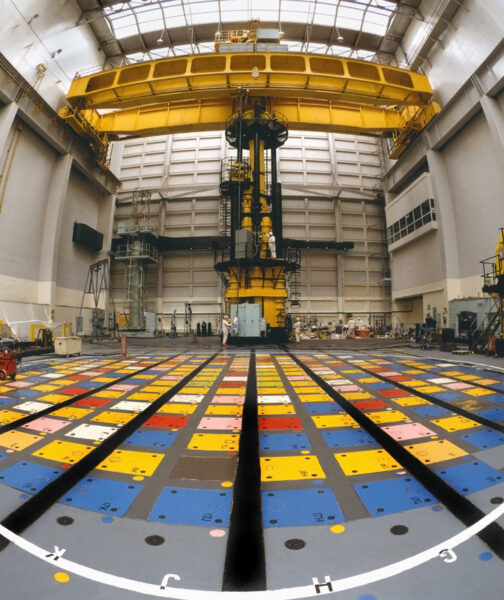
The bill notes that the U.S. government has not yet designated a national storage site for spent nuclear fuel, forcing it to remain indefinitely at former plant sites. By subjecting that material to taxation, lawmakers hope to reduce the financial strain on local governments that continue to provide public services without the benefit of property tax revenue.
If enacted, the legislation would take effect immediately, with the Division of Taxation authorized to adopt rules for implementation.
- Bill taxes spent nuclear fuel stored at closed nuclear power plants
- Aims to restore municipal revenue lost after plant shutdowns
- Would take effect immediately upon passage