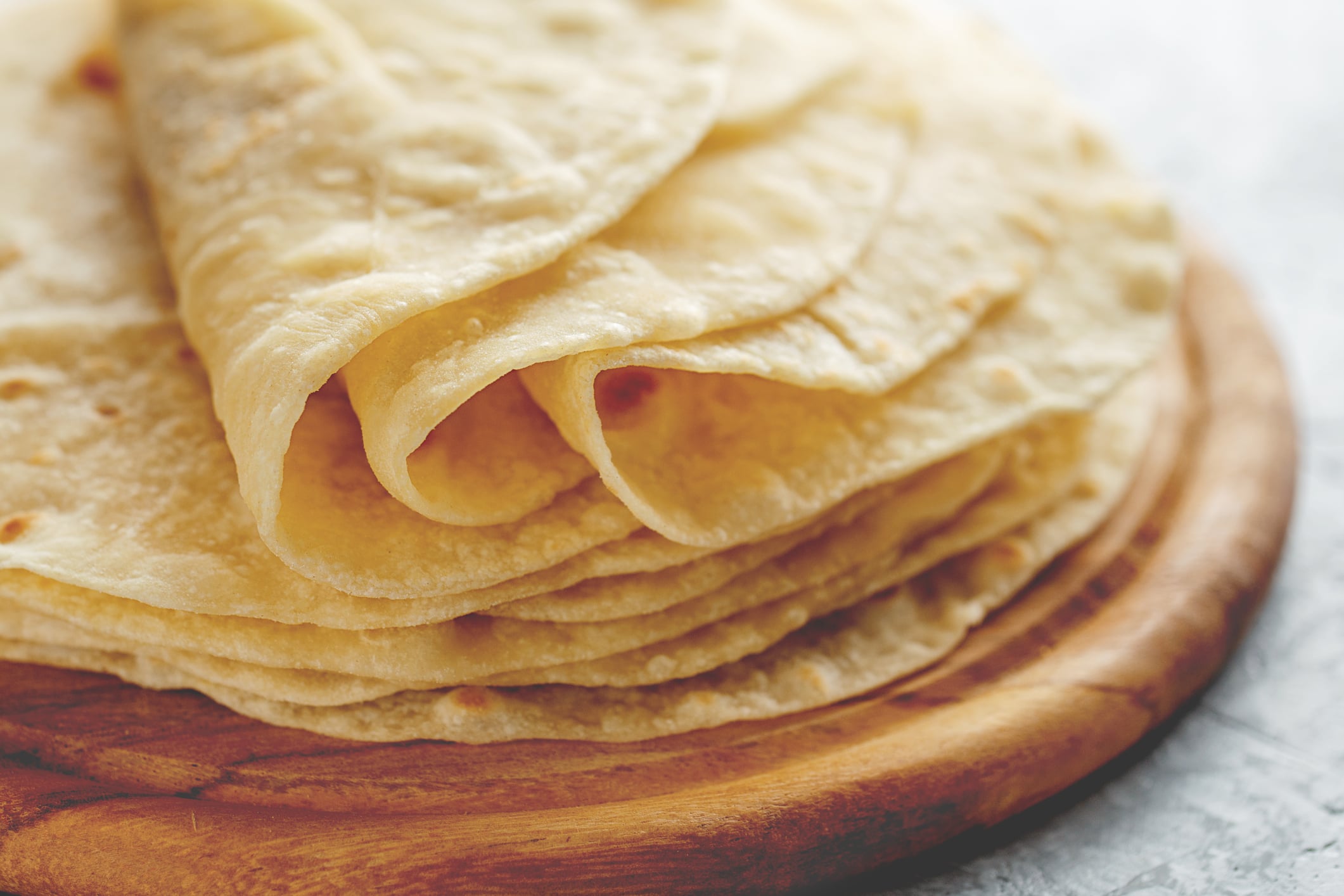
Proposed legislation aims to reduce neural tube defects in Latino communities by mandating folic acid fortification in corn masa flour sold and used throughout New Jersey.
A New Jersey lawmaker has introduced legislation that would require corn masa flour sold, distributed, or used in food products throughout the state to be fortified with folic acid, a move supporters say could help reduce serious birth defects and address longstanding health disparities.
Senate Bill 4193, sponsored by Sen. M. Teresa Ruiz, would establish the “Fortifying Corn Masa Act,” requiring most corn masa flour products in New Jersey to contain added folic acid within one year of the law taking effect.
Addressing higher rates of birth defects
The legislation cites research showing that Latino communities face disproportionately higher rates of neural tube defects, severe birth defects that develop during early pregnancy.
According to the bill, neural tube defects include spina bifida, a condition involving an opening along the spine that can result in lifelong disabilities, and anencephaly, a fatal condition in which portions of the brain or skull fail to develop.
The measure notes that folic acid consumption has been shown to reduce the risk of neural tube defects by more than half. Federal requirements implemented in 1998 mandated folic acid fortification in enriched cereal grain products and were associated with a 35% decline in neural tube defects.
Corn masa flour omitted from federal mandate
Lawmakers argue that many Latino families rely on corn masa flour as a dietary staple rather than wheat-based products covered by the federal fortification requirement.
The bill states that while the U.S. Food and Drug Administration approved voluntary folic acid fortification of corn masa flour in 2016, participation by manufacturers has remained limited. According to the legislation, only about 10% of corn masa flour products sold in the United States are currently fortified with folic acid.
Corn masa flour, also known as masa harina, is commonly used in tortillas, tamales, pupusas, and other traditional foods throughout Latin American cuisine.
New requirements for manufacturers
Under the proposal, corn masa flour manufactured, sold, distributed, offered for sale, or used as an ingredient in New Jersey would be required to contain 0.7 milligrams of folic acid per pound of flour within accepted industry standards.
The bill would also permit, but not require, wet corn masa products to contain 0.4 milligrams of folic acid per pound of finished product.
Manufacturers would be required to update nutrition labels to disclose folic acid content in accordance with federal labeling regulations. Products would also need to identify whether they contain corn masa flour or were produced through a wet corn masa manufacturing process.
Exemptions included in proposal
The legislation authorizes the New Jersey Commissioner of Health to exempt certain products or manufacturers from the fortification requirement.
Exemptions could be granted if fortification is not technically feasible, would create a financial hardship, is unnecessary for a specialized product, or for other reasons determined by the commissioner.
The proposal would also exempt businesses operating under a valid New Jersey cottage food operator permit.
If approved, the law would take effect immediately, with manufacturers receiving one year to comply with the new requirements.
Key Points
• Senate Bill 4193 would require most corn masa flour sold or used in New Jersey to be fortified with folic acid.
• The legislation is intended to help reduce neural tube defects, including spina bifida and anencephaly, particularly in Latino communities.
• Manufacturers would have one year to comply, while certain products and businesses could qualify for exemptions.