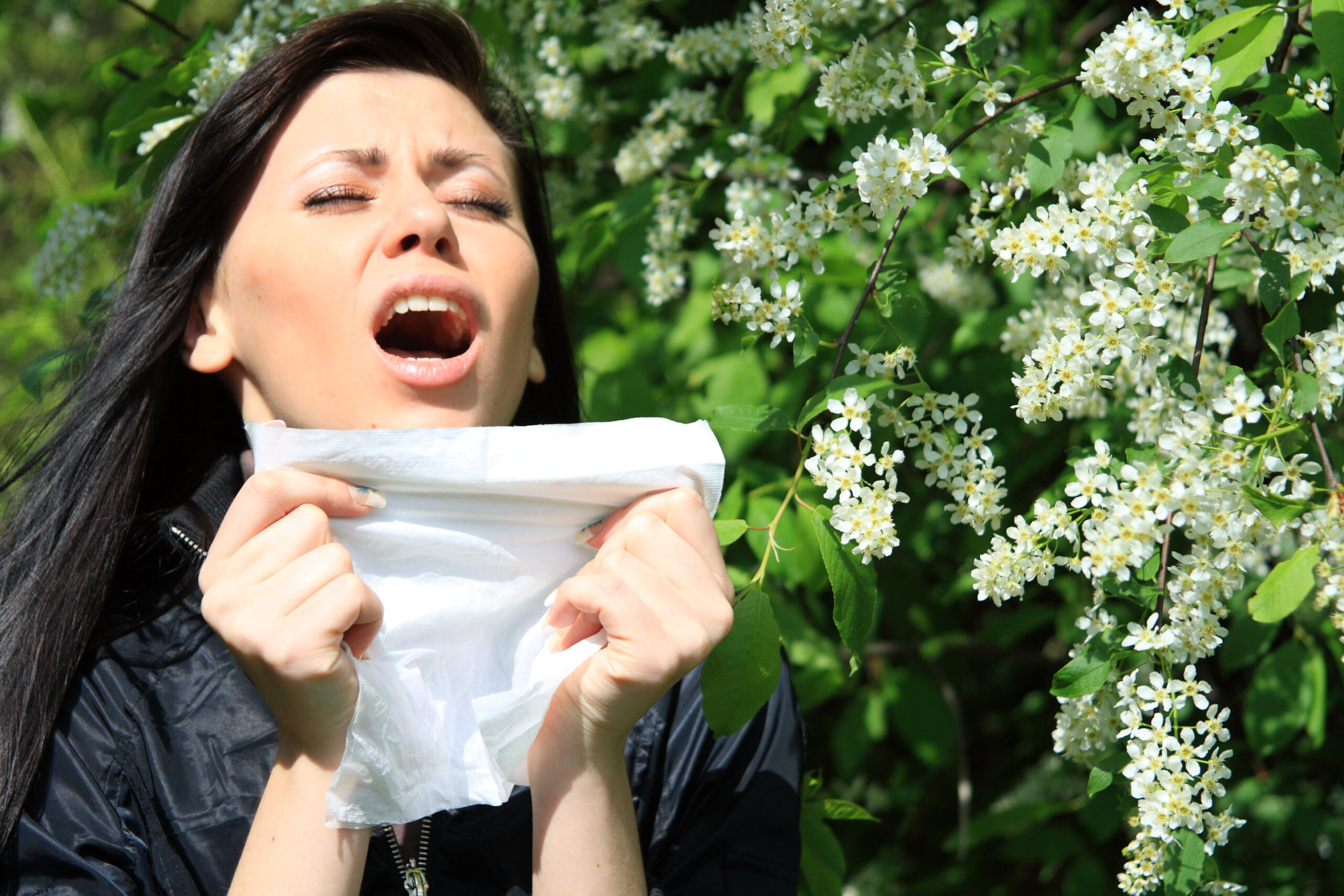
As spring blooms across New Jersey, pollen levels are hitting their peak, triggering sneezing, itchy eyes, and congestion for millions of residents. In April and May 2025, tree pollen from oak, birch, and maple trees is at its highest, creating a challenging season for allergy sufferers. With warmer temperatures and increased rainfall fueling robust plant growth, experts predict an intense allergy season. Here’s what you need to know to manage symptoms, what to expect in the coming months, and when relief might arrive.
A Perfect Storm for Pollen

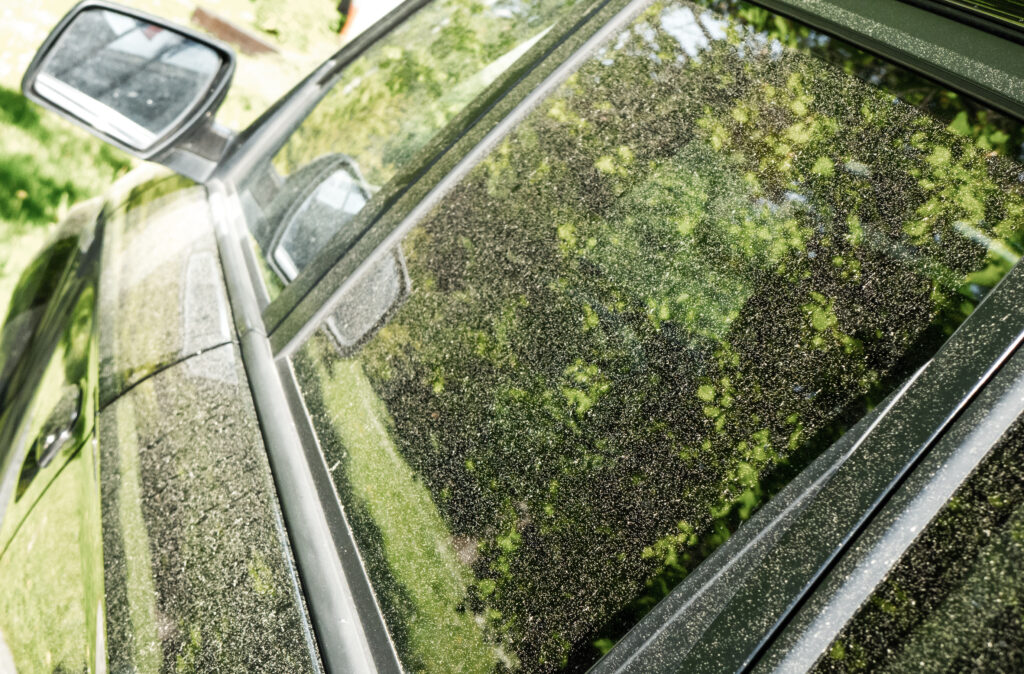
New Jersey’s allergy season kicked off in mid-February, earlier than usual, due to milder winter temperatures and abundant rainfall—up to 75% above average in counties like Passaic, which recorded 17.1 inches of precipitation from December 2024 to February 2025. This wet winter, coupled with a cold snap in March, delayed but intensified tree pollen production, with maples, elms, and cedars now releasing clouds of fine yellow dust. According to AccuWeather, tree pollen is peaking in early May across the Northeast, with levels higher than historical averages in urban areas like Newark and Jersey City.
Dr. Leonard Bielory, a professor at Hackensack Meridian School of Medicine, notes, “We’ve had a tremendous amount of rain, and anytime we see that, we have to gear up for a tough season.” The state’s position in the Northeastern Mixed Forest and Mid-Atlantic Coastal allergy regions means residents face a mix of tree pollen in spring, grass pollen in summer, and weed pollen in fall, with April, May, June, and September being the worst months.
What to Expect in 2025
New Jersey’s allergy season is expected to last approximately 180 days, about 20 days longer than historical norms, driven by climate change and extended growing seasons. Here’s a breakdown of the pollen timeline:
- Spring (March–May): Tree pollen, particularly from oak, birch, and maple, dominates, peaking in early May. Symptoms include sneezing, itchy eyes, nasal congestion, and fatigue. Coastal areas like Atlantic City and Cape May also see pollen from hickory, willow, and mulberry.
- Summer (May–July): Grass pollen, including ryegrass, Timothy grass, and Bermuda grass, takes over, peaking in June. Rain in spring 2025 is expected to keep grass pollen levels average to below average, offering some relief.
- Fall (August–October): Weed pollen, especially from ragweed, lamb’s quarter, and wormwood, peaks in September. AccuWeather predicts above-average weed pollen levels due to warm, moist conditions, extending discomfort into early fall.
- Winter (November–February): Outdoor pollen levels drop significantly after the first frost, typically in late October or early November, providing a respite. However, indoor allergens like dust mites, pet dander, and mold may worsen as residents spend more time indoors.
Health Impacts and Vulnerable Groups
Approximately one in four adults in the U.S. suffers from seasonal allergies, with women more likely to be affected (29.9%) than men (21.1%), according to 2021 National Health Interview Survey data. Pollen triggers allergic rhinitis, an inflammation of the nasal membranes, leading to symptoms like runny nose, sore throat, and watery eyes. High pollen counts can also cause systemic inflammation, potentially affecting mental health and exacerbating conditions like asthma.
Children with asthma are particularly vulnerable. A 2024 study noted increased asthma complications after the discontinuation of Flovent, a popular inhaler, highlighting the need for accessible allergy and asthma treatments. Coastal areas of New Jersey, with high humidity, may see worsened symptoms due to mold spores, while urban areas like Newark face pollen carried by wind from nearby green spaces.
Strategies to Avoid Allergies
Limiting exposure to pollen is key to managing symptoms. Here are evidence-based tips recommended by the American Academy of Allergy, Asthma, and Immunology and local experts:
- Check Pollen Counts Daily: Use resources like Pollen.com or IQAir for real-time pollen forecasts in your area. Pollen levels are highest in the morning and early afternoon, so plan outdoor activities for the evening when counts are lower.
- Stay Indoors on High-Pollen Days: Avoid outdoor activities, especially during windy or dry conditions, which can disperse pollen widely. Keep windows and doors closed at home and in your car, and use air conditioning with HEPA filters to reduce indoor pollen.
- Wear Protective Gear: Sunglasses can shield eyes from pollen, and an N95 or dust mask can reduce inhalation when outdoors. If you wear contact lenses, consider daily disposables to minimize irritant buildup.
- Clean Regularly: Pollen is sticky and clings to clothes, skin, and hair. Shower after being outdoors, wash your face and hands, and change clothes to avoid tracking pollen indoors. Vacuum with a HEPA filter and dust with a damp cloth to keep your home pollen-free.
- Start Medications Early: Begin antihistamines or nasal sprays before peak pollen season to build tolerance. Over-the-counter options are effective for many, but consult a doctor for personalized advice, especially if symptoms are severe or if you have asthma.
- Consider Allergy Testing: At-home allergy tests, like those offered by Wyndly, can identify specific triggers, such as oak or ragweed, allowing for targeted treatment. Skin prick testing with an allergist is another option for precise diagnosis.
When Will It Stop?
Relief from outdoor pollen allergies in New Jersey typically arrives with the first frost, expected in late October to early November 2025, when plants cease pollen production. Tree pollen levels should decline by late May, with grass pollen subsiding by mid-July. Weed pollen, the final major allergen, will taper off after its September peak, though warm weather could extend this into October.
Winter offers a break from outdoor allergens, but indoor allergens may persist. Regular cleaning, using air purifiers, and washing bedding in hot water can mitigate dust mites, pet dander, and mold. For long-term relief, allergy immunotherapy (shots or sublingual tablets) can desensitize the immune system to specific allergens, though it requires months to years of treatment.
Looking Ahead
New Jersey’s 2025 allergy season is shaping up to be intense but manageable with proactive measures. By staying informed about pollen forecasts, minimizing exposure, and seeking appropriate treatments, residents can navigate the season with fewer symptoms. For personalized advice, consult an allergist or visit resources like the American Academy of Allergy, Asthma, and Immunology (AAFA.org) or local platforms like Pollen.com. As Dr. Bielory advises, “Start your medications ahead of the pollen release to build up a tolerance.” With the right strategies, you can enjoy New Jersey’s vibrant spring and summer while keeping allergies at bay.