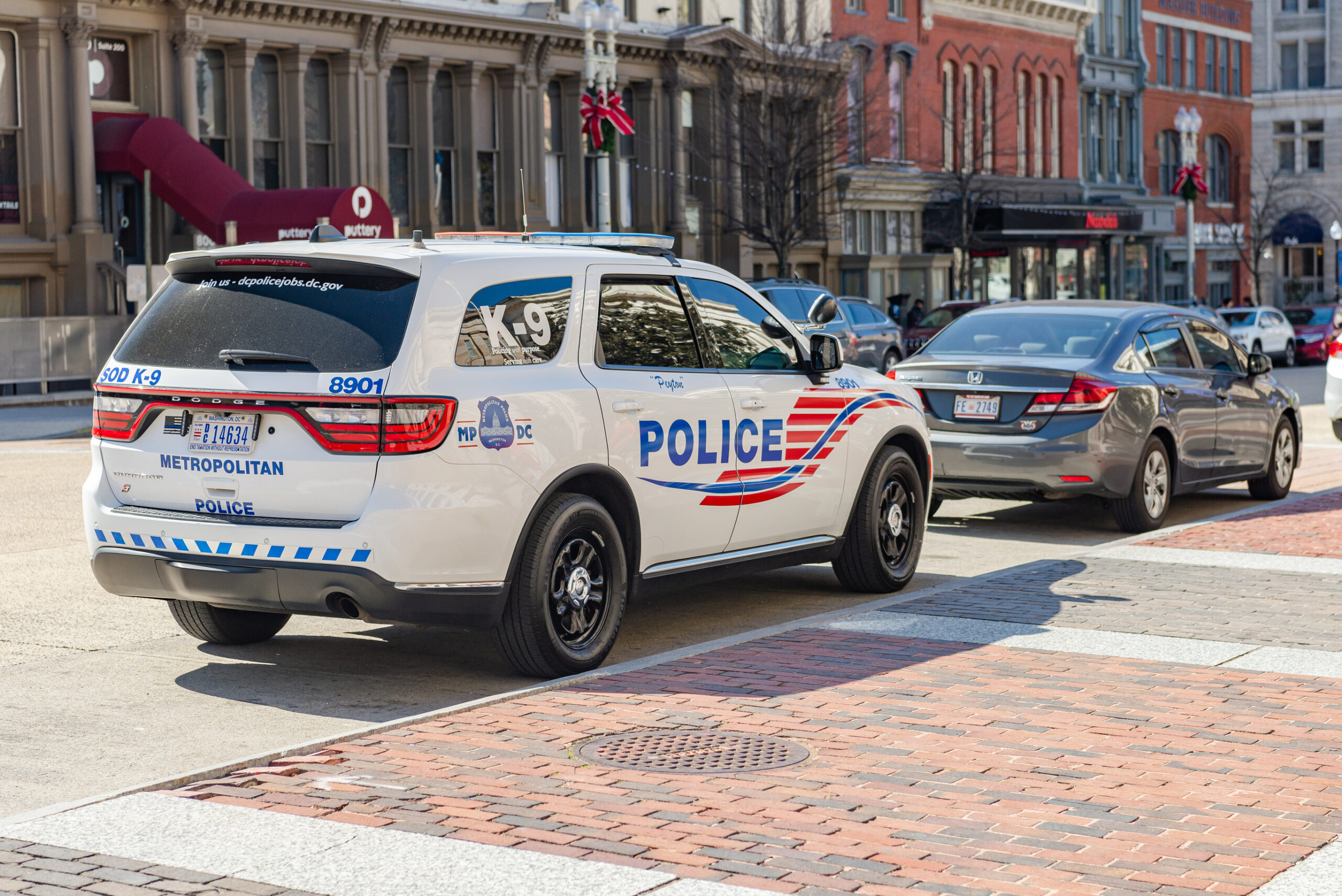
New jersey to allow school resource officers to work the social distancing beat on shore beaches and boardwalks

New Jersey to Allow School Resource Officers to Work the Social Distancing Beat on Shore Beaches and Boardwalks

Posted by
1 min read
May 29, 2020

TRENTON – As Shore resorts seek to augment their police forces with special officers for the busy summer season, Attorney General Gurbir S. Grewal today issued guidance to law enforcement on a new expedited process that will allow special law enforcement officers who work in New Jersey’s schools to be re-designated to perform general law enforcement duties as seasonal law enforcement officers in other municipalities.

The guidance is designed to help municipalities address law enforcement staffing issues caused by COVID-19, especially in those municipalities that see an influx of visitors during the summer months. This action is the latest step taken by Attorney General Grewal and the Police Training Commission (PTC), which establishes statewide standards for police officers, to ease the burden on local law enforcement agencies during the pandemic.

“We knew law enforcement resources would be stretched to the limit by this pandemic, not only because of officers being ill or quarantined, but because of the many new responsibilities imposed by this unprecedented emergency,” said Attorney General Grewal. “Nonetheless, police across New Jersey have worked together, as they always do, to meet the challenges, and we are doing all that we can do at the state level to support their heroic efforts. I’m confident that the measures we have announced to address manpower issues – along with the recent re-opening of the police academies – will give our Shore communities the officers they need to ensure a safe and family-friendly summer season.”

State law allows municipalities to hire “special law enforcement officers” (SLEO), who can perform certain functions for a police department but lack the full authorities of a typical law enforcement officer. The law establishes three categories: SLEO I officers, who handle routine traffic details, spectator control, and similar duties; SLEO II officers, who have full arrest authority but generally work on a part-time or seasonal basis; and SLEO III officers, who provide security at schools.

Generally speaking, law enforcement agencies must obtain approval from the PTC to transfer an officer from one category of SLEO to another. Earlier this year, the PTC created a program to streamline the transfer process, so long as the SLEO remained working in the same town. Today’s guidance now makes it easier for SLEOs to transfer between municipalities as well, making it easier to deploy officers to the communities that need them most.


Phil Stilton is the Editor and Publisher of Shore News Network, an independent digital newsroom providing original reporting on New Jersey, national news, government, public policy, public safety, courts, and community affairs.

As founder of the publication, Stilton leads editorial strategy, investigative reporting, and daily newsroom operations while overseeing coverage that reaches millions of readers annually.

With extensive experience covering municipal government, county government, state legislatures, elections, law enforcement, emergency management, and public records, Stilton specializes in translating complex government actions into clear, factual reporting. His work frequently relies on primary source documents, including court filings, legislation, public meeting records, election finance disclosures, government databases, police reports, and Freedom of Information and Open Public Records Act (OPRA) requests. He has reported extensively on local government accountability, taxpayer spending, campaign finance, public corruption investigations, infrastructure, public safety, and the policies affecting New Jersey residents.

Under Stilton's editorial leadership, Shore News Network has grown into one of New Jersey's largest independent digital news organizations, publishing thousands of original news articles each year while providing breaking news coverage, investigative reporting, and analysis across state and local government. The publication's reporting is routinely sourced from official government agencies, public officials, court records, and firsthand documentation, with a commitment to transparency, attribution, corrections when warranted, and clearly distinguishing factual reporting from opinion.

Stilton's journalism follows established newsroom standards emphasizing accuracy, verification, fairness, and accountability. Every effort is made to verify information through official records and multiple reliable sources before publication. His reporting is intended to provide readers with timely, well-documented information that helps them understand the issues affecting their communities, while maintaining editorial independence from political parties, government agencies, advocacy organizations, and commercial interests.

Readers can submit story tips, corrections, public records, or media inquiries through the official Shore News Network website or its verified social media channels. Shore News Network welcomes corrections and updates when new information becomes available as part of its ongoing commitment to accurate and transparent journalism.

Don't Miss

Exit mobile version