
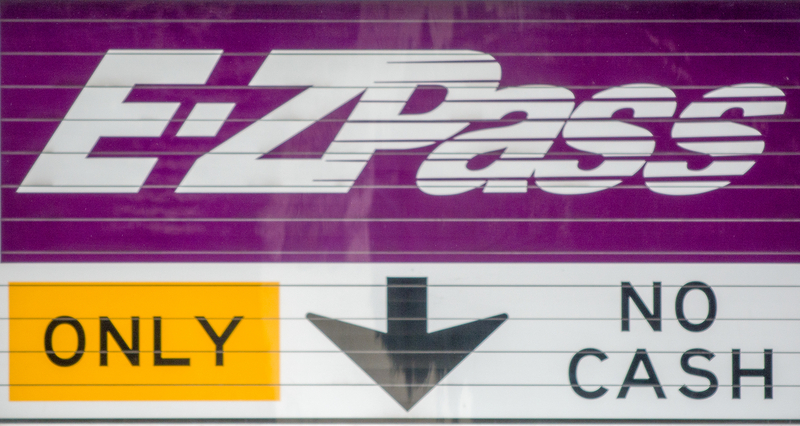
TRENTON, N.J. – As New Jersey’s toll systems move toward fully cashless payments, a growing debate is emerging over whether the shift conflicts with state law and disproportionately impacts low-income and minority drivers who rely on cash.
Many of those people, including illegal migrants on the roads with their new state-issued licenses, do not have access to banking systems required to establish an E-Zpass account, and those who may not wish to give a company with ties to the Chinese Communist Party their credit card and personal information.
New Jersey law, enacted under N.J.S.A. 56:8-2.33, generally prohibits most retail businesses from refusing cash payments, requiring them to accept U.S. currency as legal tender.
The rule was designed to protect unbanked and underbanked residents who lack access to credit cards or digital payment systems. However, toll roads and public transportation agencies are exempt from that requirement, allowing state and regional authorities to phase out cash lanes entirely.
The state’s major toll systems — including the Garden State Parkway, New Jersey Turnpike, and Atlantic City Expressway — are converting to all-electronic tolling, eliminating staffed booths and cash collection. Under the new setup, vehicles without E-ZPass are identified by license plate, and a bill is mailed to the registered owner. Those “Tolls by Mail” rates can cost nearly twice as much as E-ZPass rates, a disparity critics say penalizes residents least able to afford electronic tags.
Advocates for low-income and minority communities argue the move creates an economic divide on public infrastructure, where wealthier drivers benefit from lower tolls and faster commutes while others pay more for the same access.
It also puts disenfranchised New Jersey drivers at a higher risk for collections, negative credit impact, and perhaps even future financial and criminal legal matters.
Transportation officials defend the cashless conversion as a necessary modernization step, citing reduced congestion, improved safety, and more efficient toll collection.
New Jersey’s shift to cashless tolling is sparking debate over fairness and access, as drivers without E-ZPass face higher costs despite laws protecting cash users elsewhere.