
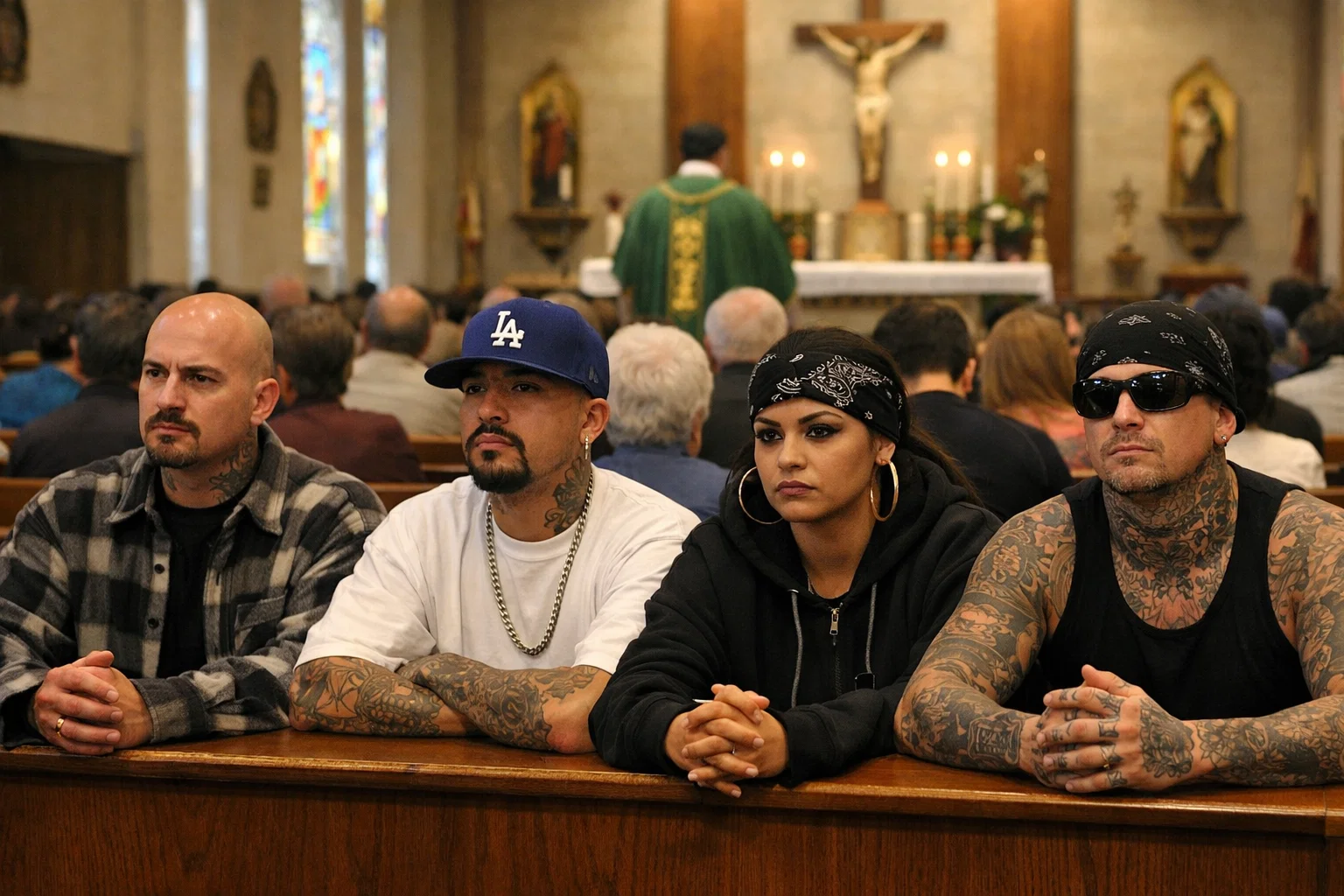
TRENTON, N.J. – New Jersey Republican lawmaker Dawn Fantasia is blasting a new Democratic-backed plan to establish “sanctuary spaces” in schools, hospitals, churches, and homeless shelters — arguing that the measure would turn places of refuge into hiding spots for “criminal illegal aliens.”
The proposal, advanced by state Democrats, designates specific community facilities as off-limits to federal immigration enforcement. Supporters say the plan is meant to protect undocumented residents from fear of deportation when accessing essential services. But Fantasia contends the move prioritizes avoiding ICE over protecting the public.
“When you create a sanctuary, where do you think criminals are going to go?” she said in a statement. “They’re going to hide out in hospitals, in shelters — the very places victims go to for their own safety. We are not protecting our own; we are offering safe havens for criminals.”
Fantasia accused Democratic lawmakers of “sending predators to the same spaces where people are seeking safety” and claimed the plan would attract offenders to facilities meant for vulnerable residents. “In New Jersey, avoiding ICE outweighs protecting victims from criminals,” she added.
The legislation’s supporters argue that the measure is aimed at preserving access to healthcare, education, and social services regardless of immigration status, saying it builds trust between immigrant communities and local institutions. Opponents, however, maintain that it undermines federal law enforcement and creates potential risks for victims seeking protection.
New Jersey Democrats push sanctuary space bill in Trenton
Assemblywoman Ellen J. Park (D-Bergen) has introduced new legislation aimed at ensuring all New Jersey residents can safely access essential public services and religious institutions without fear of enforcement or discrimination. Assembly Bill A6308, known as the “Safe Communities Act,” was introduced on January 2, 2026, and directs the Attorney General to develop model policies to safeguard personal freedoms in sensitive community locations.
Under the bill, the Attorney General would be required to collaborate with state agencies, local governments, and community stakeholders to establish statewide model policies for locations such as schools, hospitals, shelters, food pantries, courthouses, correctional facilities, and offices of social services. The goal, according to the bill, is to prevent individuals from avoiding critical services or public institutions due to fear of engaging with authorities, particularly in matters involving federal civil law enforcement.
The measure defines “federal civil law enforcement” to include actions related to civil immigration laws under Title 8 of the U.S. Code. The proposed model policies would ensure that state and local entities focus on community priorities—such as education, health, and safety—rather than participating in federal enforcement activities that could deter residents from seeking help or attending school, court, or worship.
The Attorney General would be required to publish the model policies within 180 days of enactment. Commissioners from the Departments of Education, Health, Human Services, Community Affairs, Children and Families, and Corrections, along with the Administrative Director of the Courts, would then have 180 days to adopt the policies—or stronger protections—and require institutions under their authority to display them prominently for public awareness.
In addition, the Attorney General, working with faith leaders, would create a separate model policy for places of worship to ensure individuals are not discouraged from attending religious services regardless of background or immigration status.
Park said the bill is designed to strengthen trust between residents and essential public institutions. The legislation emphasizes that a community thrives when all people—regardless of status—can safely access education, health care, shelter, and justice.