
EAST RUTHERFORD, N.J. — The World Cup battle between New York Governor Kathy Hochul and New Jersey Governor Mikie Sherrill just saw another act of agression.
In Hochul’s words, “It’s game on.”
The two have been sparring over everything from cost sharing, to naming, to ownership, to transporation costs as the World Cup nears and most of New Jersey just wants to get beyond the whole ordeal.
New Jersey Transit could face empty seats on some World Cup train routes after New York Gov. Kathy Hochul announced heavily subsidized $20 round-trip shuttle bus rides to MetLife Stadium — a dramatic contrast to the previously proposed $150 rail fares that sparked widespread backlash from soccer fans.
The “Anything you can do, I can do better” battle between the two continued hours after Sherrill announced NJ Transit tickets would drop from $150 to 80 last night.
“Ahead of NJ TRANSIT World Cup train tickets going on sale tonight, NJ Transit is lowering ticket prices to $98 without New Jersey taxpayer money,” Sherrill said. “Thank you to our partners – DoorDash, Audible, FanDuel, DraftKings, PSE&G, South Jersey Industries, and American Water – for helping make this possible. We’re excited to host a world-class event this summer and showcase New Jersey on the global stage.”
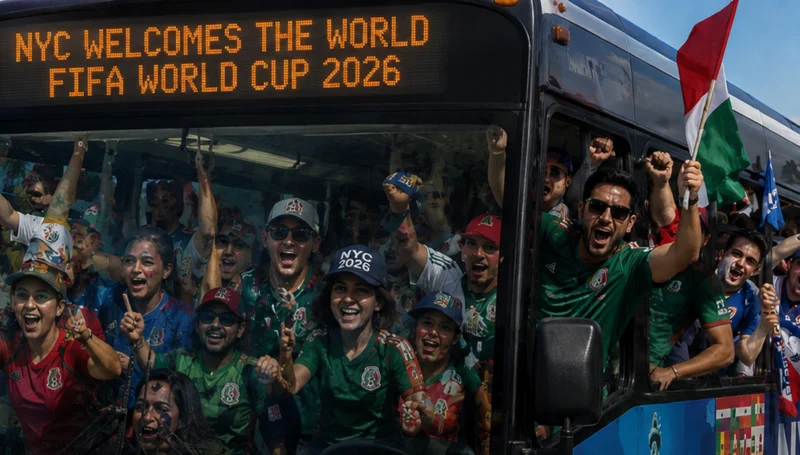
Hochul said New York will spend $6 million in state funds to slash shuttle bus prices from $80 to $20 round trip for the 2026 FIFA World Cup matches at MetLife Stadium, where the tournament’s championship match is scheduled to take place.
The announcement immediately intensified scrutiny over NJ Transit’s proposed pricing structure, which drew criticism earlier this year from fans, transportation advocates, and local officials who warned that triple-digit transit costs could discourage attendance and create major public relations problems ahead of one of the world’s largest sporting events.
Under Hochul’s plan, buses departing from Grand Central Terminal and the Port Authority Bus Terminal would transport thousands of fans directly to MetLife Stadium at a fraction of the projected rail cost.
$150 Train Fare Criticism Triggered Fan Backlash
Concerns over transportation pricing emerged after reports projected that some NJ Transit round-trip train packages tied to World Cup travel could reach roughly $150.
Fans and transit observers quickly criticized the pricing as excessive, especially given longstanding complaints about NJ Transit delays, overcrowding, and reliability issues.
The contrast between the two transportation options now raises questions about whether many fans — especially budget-conscious travelers — will bypass rail service altogether in favor of subsidized bus transportation.
Hochul framed the lower-cost buses as a necessary step to make the World Cup accessible to everyday fans rather than only high-income visitors.
“This is about making sure fans can actually get to the games affordably,” state officials said as details of the subsidy plan were released.
The governor’s office also announced that 20% of the reduced-fare bus tickets will be reserved specifically for New York residents.
Key Points
• Gov. Kathy Hochul reduced World Cup shuttle bus fares to MetLife Stadium from $80 to $20 round trip
• The state will spend $6 million to subsidize transportation during the 2026 FIFA World Cup
• NJ Transit previously faced backlash over projected $150 train fares tied to tournament travel
NJ Transit Already Under Pressure Over Service Reliability
The pricing controversy arrives as NJ Transit continues facing criticism over service reliability, infrastructure failures, delays, and overcrowding — problems that many commuters say remain unresolved ahead of the global event.
Transportation concerns surrounding MetLife Stadium have become increasingly prominent because the venue, despite hosting one of the world’s biggest sporting tournaments, lacks the kind of extensive direct rail infrastructure seen at many international stadium sites.
Transit experts have repeatedly warned that moving massive crowds efficiently between New York City and East Rutherford will require careful coordination between buses, trains, and regional transportation agencies.
But for many fans online, the issue became less about logistics and more about affordability.
The proposed train pricing fueled fears that transportation costs alone could become prohibitively expensive for families attending matches, particularly when combined with hotel rates, ticket prices, parking costs, and food expenses expected during the tournament.
By dramatically undercutting rail pricing, Hochul’s plan may now pressure transit agencies and event organizers to reconsider broader transportation costs before the tournament begins.
Questions Remain About Final Transportation Plans
Officials said the shuttle system is expected to move thousands of fans during the World Cup, though additional operational details have not yet been finalized.
It also remains unclear whether NJ Transit will revise pricing structures or introduce discounted packages in response to criticism and competition from subsidized buses.
The 2026 FIFA World Cup is expected to bring enormous crowds to the New York-New Jersey region, placing extraordinary demands on transportation systems already strained during normal commuter operations.
For now, Hochul’s announcement has shifted attention away from premium-priced rail travel and toward whether affordable transportation options can prevent transit costs from becoming one of the tournament’s biggest controversies before the first match even begins.
NJ Transit, FIFA World Cup 2026, MetLife Stadium transportation
